REVIEW · MUSEUMS
Auckland: Maritime Museum Entry Ticket
Book on GetYourGuide →Operated by New Zealand Maritime Museum · Bookable on GetYourGuide
Ships and stories meet Auckland’s waterfront.
For $14, this New Zealand Maritime Museum entry ticket is a smart way to learn how ocean life shaped New Zealand, from Pacific migrations and trade to modern racing design. I especially like the way the museum mixes personal stories with artifacts, and how it connects Maori traditions and Western shipping without turning it into a lecture you’d rather skip. One thing to consider: the visit is only 1–3 hours recommended, so you’ll want to plan for your time window—last entry is 4:00 PM.
If you’re at Viaduct Harbour already, the location is a practical bonus. I also love the museum’s design—easy to navigate, and it keeps the themes moving forward so you don’t feel lost in a big collection. The main drawback is simple: food and drinks aren’t included, so don’t assume you can stay through your whole day without a snack plan.
In This Review
- Key things to know before you go
- Entering a maritime museum that’s easy to navigate
- Viaduct Harbour location: good timing beats perfect timing
- Maori traditions and Western shipping: the story behind the sea
- America’s Cup yacht design: innovation you can actually notice
- A practical flow: how to plan your 1–3 hour visit
- Tickets, timing, and what’s included (so you don’t get surprised)
- What to bring so your visit stays comfortable
- Who should book this maritime museum entry, and who might skip it
- Should you book the Auckland Maritime Museum ticket?
- FAQ
- Where is the meeting point for the Auckland Maritime Museum entry ticket?
- How much time should I plan for this experience?
- Is entry to the Maritime Museum included?
- What do I need to bring with me?
- Are unaccompanied minors allowed?
- What are the museum opening hours and last entry time?
- Is the museum wheelchair accessible?
- Can I cancel or change my plans after booking?
Key things to know before you go
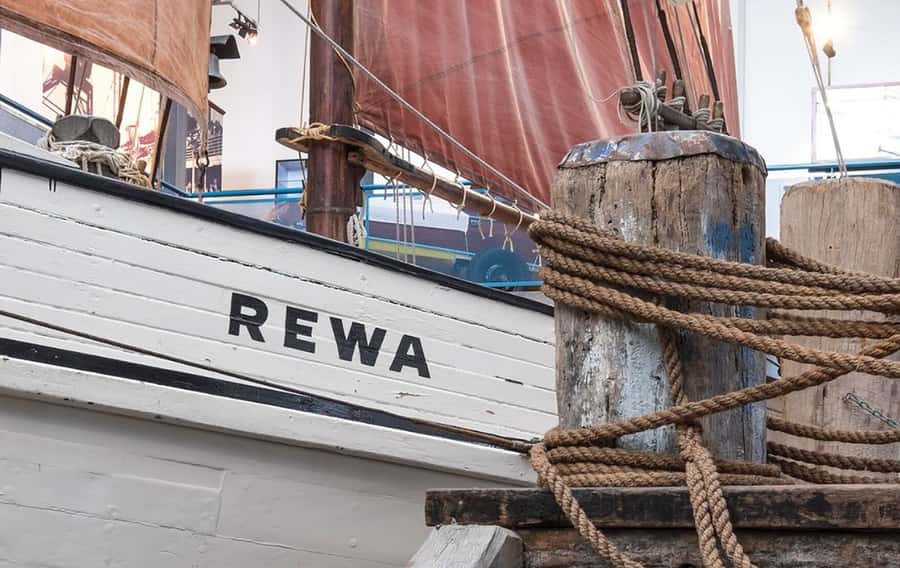
- Viaduct Harbour meeting point: arrive at the New Zealand Maritime Museum and show your voucher at the ticket counter
- Maori + Western shipping context: you’ll see how ocean history connects different traditions
- Hands-on and interactive displays: expect more than glass cases and labels
- America’s Cup design angle: cutting-edge yacht design gets treated as part of the broader maritime story
- Plan 1–3 hours: enough time for the big themes, not a whole-day museum crawl
Entering a maritime museum that’s easy to navigate
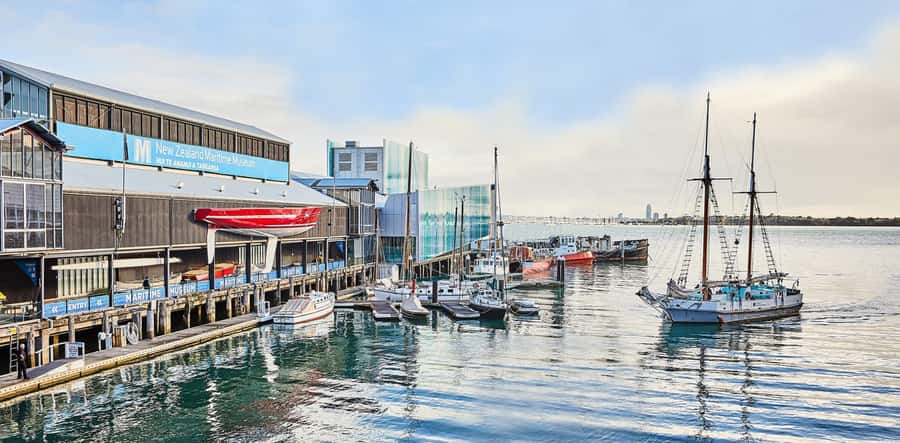
The New Zealand Maritime Museum in Auckland is built for real life: you can walk in, get oriented quickly, and then follow the ocean stories at your own speed. Your ticket is straight entry, so you’re not committing to a long guided route—think of it as a focused museum visit you can fit into your day without stress.
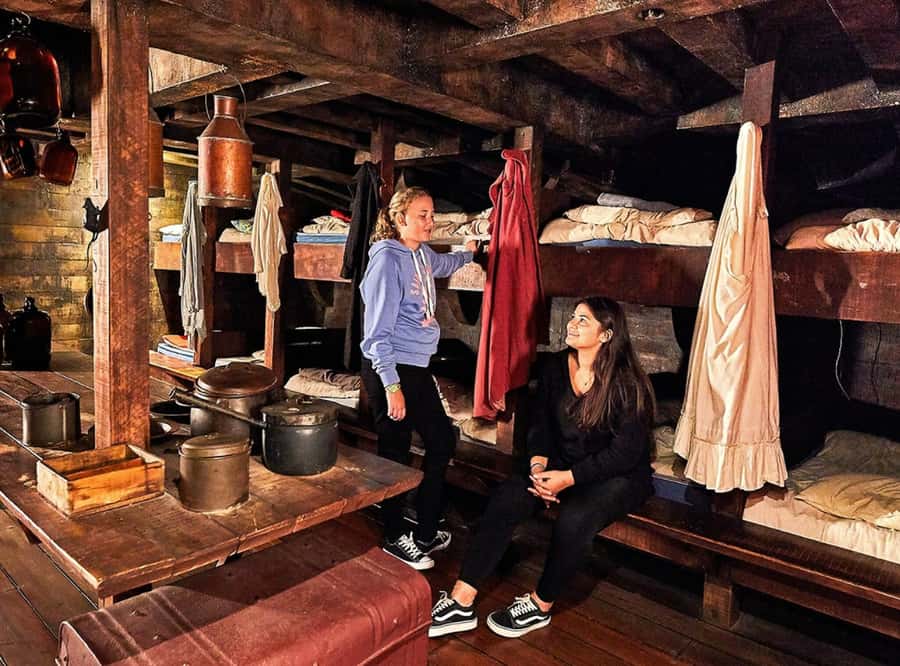
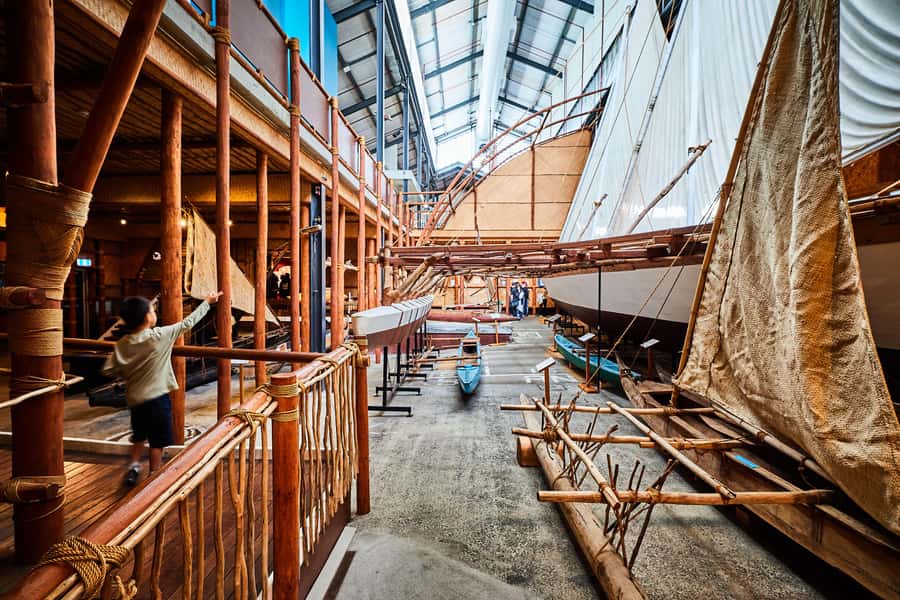
The museum’s big strength is how it explains New Zealand’s relationship to the sea through multiple lenses. You’re not stuck with one narrow theme like ships only. Instead, the exhibitions connect the ocean to how people moved (including Pacific migrations), how goods traveled through trade, and how new ideas took shape through innovation and even leisure. That broad framing is what makes the museum more useful than a standard nautical stop.
And based on what I’ve seen people highlight, the museum’s layout is part of the win. You get the sense that it was designed to keep attention—clear sections, engaging displays, and enough variety that most ages can stay interested.
The only “gotcha” is time. The museum hours are 10:00 AM–5:00 PM, with last entry at 4:00 PM, and the recommended visit length is 1–3 hours. So if you’re the type who likes to linger for every label, give yourself extra buffer before you reach that last-entry cutoff.
You can also read our reviews of more tours and experiences in Auckland



Viaduct Harbour location: good timing beats perfect timing
You meet at the Auckland Viaduct Harbour area, at the Maritime Museum itself. Practically speaking, this is great if you’re already spending time around the harbor. You can treat the museum like a solid indoor anchor while your day stays flexible outside.
Plan to arrive early enough to avoid a rushed tour of the main themes. The museum is open every day except 25 December, and the last entry rule is there for a reason: once the clock gets close, it’s harder to do your own pace without feeling like you’re sprinting.
If you happen to be in Auckland during a sail or racing event, this area can add extra energy. One person was there while the ITM New Zealand Sail Grand Prix was underway and said the timing made it even more exciting, with the location working well for watching. That’s not guaranteed, of course, but it’s a good reason to check event calendars for your travel dates if you like boats and race buzz.
Maori traditions and Western shipping: the story behind the sea
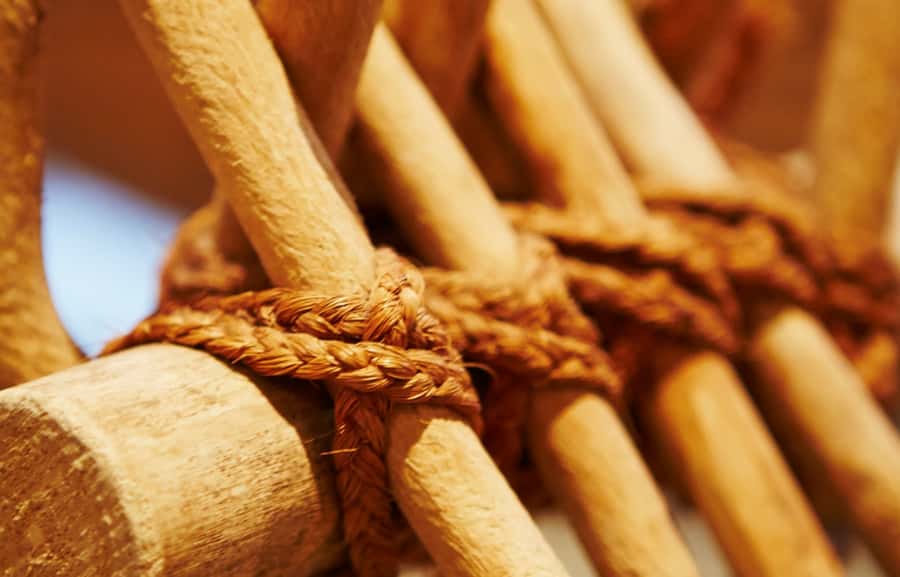
A big draw here is how the museum handles New Zealand’s maritime identity. You can expect exhibitions that touch on Maori traditions alongside Western shipping history, which helps you see the ocean connection as more than one cultural timeline.
The key value for you is perspective. Maritime history isn’t just about vessels and routes. It’s also about relationship—how communities lived with the sea, how knowledge traveled, and how contact shaped what came next. The museum’s approach makes that clearer by pairing artifacts and stories, not just showing items with dates.
As you move through the galleries, look for the sections that tie ocean life to human movement and exchange. If Pacific migrations are covered in the exhibit you’re viewing that day, that’s one of the best “why this matters” threads. It connects the ocean to real people and real decisions, which is usually more memorable than lists of ship specs.
You’ll also find the museum’s maritime collection presented as heritage worth taking seriously. That matters because it shifts the visit from entertainment to understanding—without making it overly heavy. It’s the kind of museum stop that can give you better context for conversations in Auckland later, especially if you’ve spent time learning about local culture and coastal life.
America’s Cup yacht design: innovation you can actually notice
Another standout theme is modern maritime innovation, particularly America’s Cup yacht design. If you’ve ever watched sailing races and wondered why design details matter so much, this part of the museum is your clue.
The museum frames cutting-edge yacht design as part of the bigger maritime story—innovation doesn’t happen in a vacuum. It’s shaped by trade, engineering needs, and the culture of competition and leisure. For you, that means the exhibit isn’t just technical. It’s contextual.
Here’s how I’d treat this section during your visit:
- Spend a little extra time if you enjoy engineering or design.
- Use it as a bridge between the older heritage material and the modern “why” of maritime change.
This is also where many museums can get dry, but this one stays grounded in the larger theme of the sea’s influence. The goal isn’t to turn you into a sailor overnight—it’s to help you see design and technology as part of a living maritime ecosystem.
A practical flow: how to plan your 1–3 hour visit
You don’t need a strict itinerary to enjoy this museum, but having a simple plan helps. Since 1–3 hours is recommended, I’d think of it in three phases.
Phase 1 (about 30–45 minutes): orientation and the big themes
Start with the exhibitions that set the framework: New Zealand’s ocean connection, maritime heritage, and how the stories are organized. This is where you get your bearings fast—then everything else reads more clearly.
Phase 2 (about 45–90 minutes): focus on the themes you care about
Pick your strongest interests and commit time there. For many people, that means either:
- Maori traditions and the cultural story of the sea, or
- modern racing design and innovation
If you’re the type who likes variety, you can bounce between sections. If you’re detail-oriented, settle into one theme and let it carry you.
Phase 3 (about 20–30 minutes): interactive moments and artifacts that stick
Save the hands-on and interactive displays for later if you can, so they feel like a reward instead of your first stop. Also use this time to re-check artifacts or sections that caught your attention earlier—sometimes the second look is what makes it memorable.
Possible drawback with this style: if you time it wrong and walk in close to last entry, you’ll feel pressure. So try to enter with enough daylight (or at least enough momentum) to finish your highlights without cutting corners.
You can also read our reviews of more museum experiences in Auckland





Tickets, timing, and what’s included (so you don’t get surprised)
This experience is straightforward: your ticket includes entry to the Maritime Museum.
Nothing else is bundled, so plan for the basics:
- No hotel pickup or drop-off: you’re responsible for getting to Viaduct Harbour
- Food and drinks aren’t included: if you’ll be there around mealtimes, bring a plan for snacks or a nearby break
You’ll also need to show your voucher at the ticket counter when you arrive. That’s a small step, but it’s worth doing smoothly so you don’t lose time finding the right place.
If you like flexibility, you can use the reserve-and-pay-later option. Free cancellation up to 24 hours in advance is also listed, which helps if your Auckland plans shift.
What to bring so your visit stays comfortable
This is a hands-on museum experience, and your comfort matters more than people expect. Bring:
- Passport or ID card
- Comfortable shoes
- Camera
- Student card (if you can use it)
A quick tip: if you’re planning to walk around Viaduct Harbour before or after, comfy shoes pay off. Museums are one thing, but harbors are another.
Also note the basic rules for young visitors. Unaccompanied minors aren’t allowed, and children must be accompanied by a supervising adult at all times. If you’re traveling with kids, that’s part of the math for your day—make sure everyone’s schedule and adult supervision are ironed out.
Who should book this maritime museum entry, and who might skip it
This ticket is a great fit if you want:
- a smart, non-rushed museum stop in Auckland
- maritime history connected to culture and modern life
- a mix of exhibitions, including hands-on elements
- a museum visit that can work for adults and families
You might not love it as much if you’re expecting an all-day “ship deck, ropes, and practical sailing” experience. This is a museum, not a sea day. Plan your expectations around exhibitions and collections, and you’ll be happier.
One more fit check: if you’re a design fan, the America’s Cup yacht design section is likely to be one of the most satisfying parts. If you’re more into culture, you’ll probably spend your best time on the Maori traditions and the ways sea routes shaped people.
Should you book the Auckland Maritime Museum ticket?
I’d book it if you’re staying in Auckland and want an entry ticket that gives you real context fast. For $14, you’re paying for a well-structured museum visit with strong themes: Maori traditions, Pacific migrations, shipping and trade, and modern racing design. It’s not a long tour, and that can be a feature, not a limitation.
If you’re short on time, you still have a path: aim for 1–2 hours, focus on the sections that match your interests, and don’t forget your voucher at the ticket counter. If you have extra time, the extra hour helps you slow down for hands-on displays and artifacts that you’ll remember later.
The only reason to hesitate is timing. With last entry at 4:00 PM and a recommended visit length of 1–3 hours, you’ll want to schedule it early enough that you’re not rushing at the end.
If your day already includes Viaduct Harbour, this is an easy yes.
FAQ
Where is the meeting point for the Auckland Maritime Museum entry ticket?
You should arrive at the New Zealand Maritime Museum at Auckland Viaduct Harbour.
How much time should I plan for this experience?
A 1–3 hours visit is recommended.
Is entry to the Maritime Museum included?
Yes. Entry to the New Zealand Maritime Museum is included.
What do I need to bring with me?
Bring a passport or ID card, comfortable shoes, a camera, and your student card if you want to use it.
Are unaccompanied minors allowed?
No. Unaccompanied minors are not allowed, and children must be accompanied by a supervising adult at all times.
What are the museum opening hours and last entry time?
The museum is open 10:00 AM–5:00 PM, with last entry at 4:00 PM.
Is the museum wheelchair accessible?
Yes. The experience is listed as wheelchair accessible.
Can I cancel or change my plans after booking?
Free cancellation is available up to 24 hours in advance for a full refund, and you can also reserve now and pay later.