REVIEW · SKYDIVING
Skydive Auckland
Book on Viator →Operated by Skydive Auckland Ltd · Bookable on Viator
Coastal clouds, then the real jump plan. Skydive Auckland is a Parakai operation built for tandem jumps at serious altitude, with big-speed freefall and coast-hugging views that stretch from the east to the west of New Zealand. You’ll be strapped into your instructor for the exit and the ride, then you get to watch landmarks like Waiheke Island and Piha Beach roll by below.
What I like most is how professional the setup feels—over 20 years in the business, with Qualmark approval and NZPIA affiliation—and how easy it is to trust the people on the day. I also like the social factor: it’s a 17-seat turbine plane, so you’re not isolated from your group. One thing to consider: this experience depends on good weather, and you’ll need to confirm close to departure or be ready to reschedule.
In This Review
- Key things to know before you go
- Skydive Auckland in Parakai: what the drive sets up
- Pick your height: 9,000 ft, 13,000 ft, or up to 20,000 ft
- The 3-hour flow on jump day: briefing, gear, and plane time
- The jump itself: tandem freefall, ripcord moment, and what speeds feel like
- Views that earn their own line: east and west coasts plus volcano country
- 17-seat turbine plane: why it feels friendlier than you expect
- What you’ll wear, what you’ll bring, and how to stay comfortable
- Price and value: why $214.10 can make sense for the top tandem experience
- Photos, video, and what to add on the day
- Weather and rescheduling: the only real downside you can’t outsmart
- Who should book Skydive Auckland (and who should double-check)
- Should you book this sky jump near Auckland?
- FAQ
- FAQ
- How long does the Skydive Auckland experience take?
- Where does the experience take place?
- What heights are available for the tandem jump?
- How long is the freefall at 18,000 feet?
- What’s included in the price?
- Are photo and video packages included?
- Are there weight or age restrictions?
- What happens if the weather is not suitable?
- Can I cancel and get a full refund?
Key things to know before you go
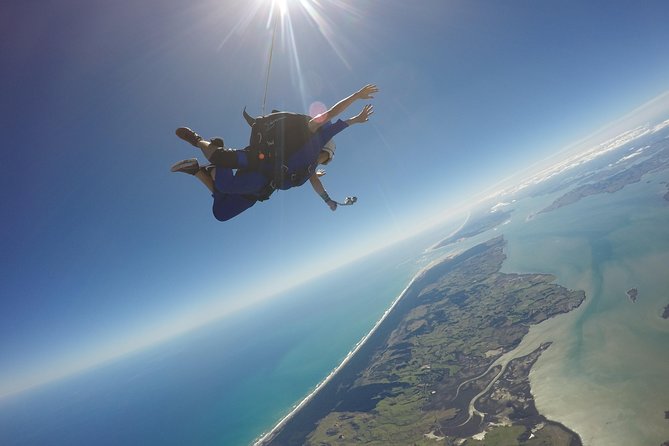
- 18,000 ft top tandem option with about 75 seconds of freefall and speeds over 200 km/h
- Up to 20,000 ft listed as the highest elevation available in New Zealand
- 17-seat turbine plane means you may jump with friends and not feel like a solo act
- Parakai location about 45 minutes from Auckland City, with hotel transport sometimes available
- Weight limit of 100kg and age limits for the highest jump (18,000 ft is limited to age 12+)
Skydive Auckland in Parakai: what the drive sets up
Skydive Auckland runs out of Parakai, which is handy if you’re staying in Auckland but don’t want the city chaos on jump day. The operation is about a 45-minute drive from Auckland City, and that travel time matters because you’ll want your head in the right place before you sign the paperwork and step into the briefing.
Meeting happens back on the ground near West Auckland Airport, Parakai (76 Green Road, Helensville 0874). If you’re staying central, the good news is that round-trip hotel transport is available to the launch point in Parakai. That takes away the biggest stressor for a high-stakes day: getting there on time while you’re trying not to think about the height.
Also note the day is designed around a small-ish operation: the experience has a maximum of 100 travelers, and it’s built for a smooth flow from check-in to gear to plane time. You don’t want to feel like you’re stuck waiting forever in the cold, so the way they stage the day is part of the value.
Finally, you’ll get a mobile ticket, which is the way things should be in 2026. Bring your phone, keep it charged, and you’re set.
You can also read our reviews of more tours and experiences in Auckland.



Pick your height: 9,000 ft, 13,000 ft, or up to 20,000 ft
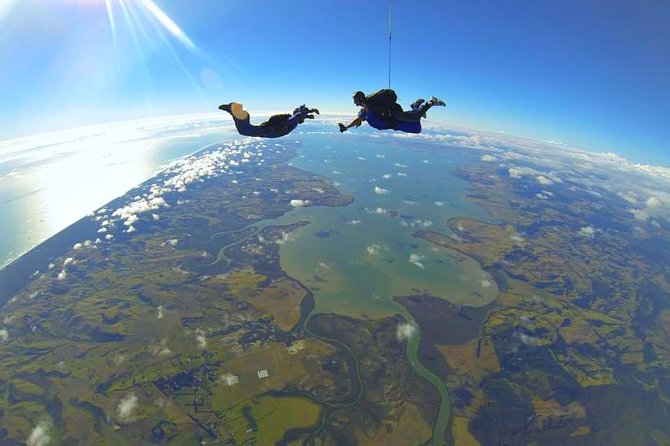
This is not a one-size-fits-all jump. You choose a height package, and your decision changes how much time you spend under canopy versus in freefall (and how intense the whole day feels).
Here’s what you can plan around:
- 18,000 ft: the top tandem option, with about 75 seconds of freefall, described at 200+ km/h
- Up to 20,000 ft: advertised as the highest elevation available in New Zealand
- 13,000 ft and 9,000 ft: offered as lower options if you want a gentler entry point
If you’re new to this, I’d treat the height choice like a comfort decision, not a bravery contest. The 18,000 ft description is the one that gives the clearest sense of what you’re buying: long freefall at high speed and then time to take in everything around you. Higher also usually means more time for your brain to argue with your body. If that’s your style of anxiety, going a bit lower can actually make the experience feel more enjoyable, not less.
And if you’re with a group, height choice is where you can help each other. One person going higher doesn’t reduce the others’ experience. You’ll all still get the tandem support and the view.
One more strict point: 18,000 ft is limited to ages 12+. Also, you’ll want to remember the 100kg weight restriction when you’re deciding.
The 3-hour flow on jump day: briefing, gear, and plane time
The whole experience is about 3 hours (approx.), and that timing feels realistic for how tandem skydiving is run: check-in, a proper safety briefing, fitting and equipment, then the flight.
What you can count on included:
- Tandem skydive from your chosen height
- All equipment provided
- A full safety briefing
- You just need comfortable clothing and secure shoes (trainers/sneakers)
That sounds basic, but it matters. Good shoes stop last-minute stress. Comfortable layers help because Parakai weather can shift and you’ll be out and about before you’re airborne. The briefing is what you’re supposed to focus on, not your nerves. Listen, ask questions, and then you’ll feel like you actually understand the steps instead of guessing.
In terms of pacing, you’ll likely spend a chunk of that three hours waiting for weather and flight timing to line up, because sky conditions matter. That’s not a fault of the operator—it’s physics. The day is timed around safe conditions, not just the clock.
Then you go into the main event: the plane ride up, the exit (you’re in tandem), and the freefall. After, you catch your breath, regroup, and then it’s back to the meeting point.
The jump itself: tandem freefall, ripcord moment, and what speeds feel like
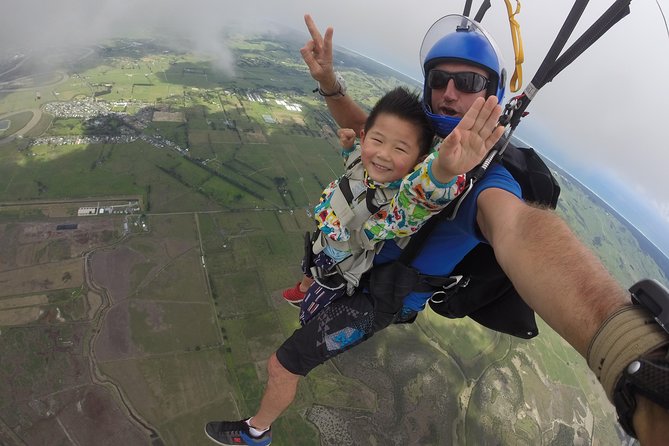
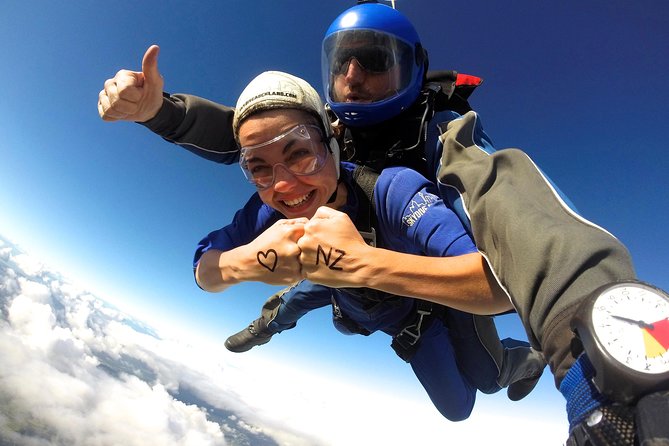
This is tandem skydiving, so you’re not doing everything. You’re with your instructor, and that changes the whole mental workload.
At the 18,000 ft level, you’re looking at:
- 75 seconds of freefall
- 200+ km/h speed during that phase
- Your instructor handles the key moments, including pulling the ripcord
That freefall time is the core product. After the exit, you stop thinking in sentences and start thinking in sensations—sound changes, your body feels the pull, and your eyes keep trying to find the horizon. Then, as the instructor pulls and things shift, you get a different kind of focus: scanning for landmarks and enjoying the calm that comes after the rush.
I also like that the operator frames this clearly. You’re not left to imagine what’s happening. They explain what you’ll do, what the instructor does, and what the key experience phases are. It makes the day feel less mysterious and more like a well-run set of steps.
One small practical note: you’ll want to be ready for the body transition. Even if you’re excited, there’s a moment where your breathing catches up after freefall. It’s normal. The view helps you reset fast.
Views that earn their own line: east and west coasts plus volcano country
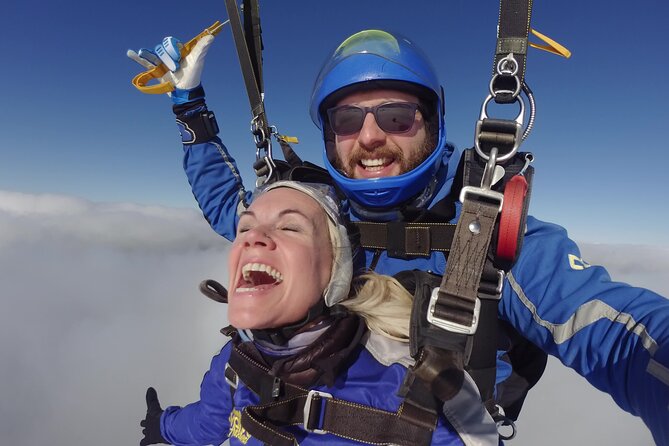
This is where Skydive Auckland gets its reputation. The altitude isn’t just a number—it turns the region into a map you can actually read.
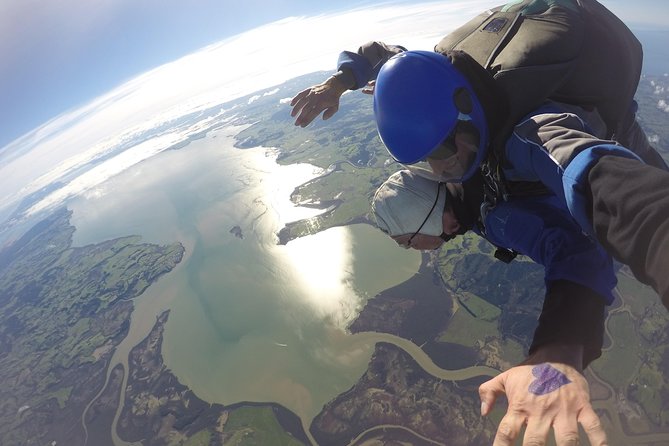
At the top levels, you can spot sweeping scenery across:
- the east and west coasts of New Zealand
- Waiheke Island
- Piha Beach
- Great Barrier Island
- Mt. Ruapehu
- and even Mt. Taranaki, depending on conditions
That mix is the real magic: you get coastlines, islands, and volcano scenery in one flight path. For photographers, it’s a treat, but it’s also great if you just like geography. You can look down and recognize shapes and coastlines rather than seeing only a blur of green.
If you’ve been daydreaming about a New Zealand “from above” moment, this is one of the few activities where you actually get the scale. You’re high enough to see how everything connects—water, beaches, and mountain mass all in the same frame.
And yes, your tandem instructor helps you make sure you’re oriented. You’ll likely hear guidance during key moments, so you’re not just floating. You’re watching.

17-seat turbine plane: why it feels friendlier than you expect
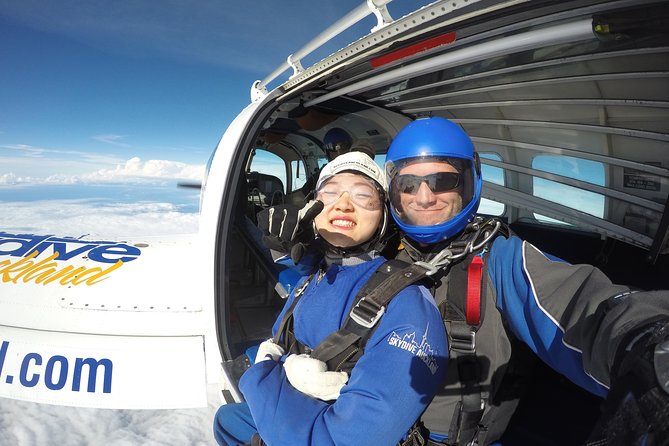
The plane is a big part of the vibe: it’s a 17-seat turbine aircraft. That detail matters for more than just tech specs.
First, you’re not stuck in a tiny crew. Depending on timing and group size, you may be able to jump with friends, which makes the day easier when nerves hit. Second, a turbine plane typically gives a smooth ride to height compared to older setups. You still get that buzz of anticipation, but you’re not fighting the ride itself.
There’s also a practical side: the experience runs with a manageable group cap (up to 100 travelers). That usually helps with logistics—less chaos, less random waiting. On a day where weather can delay things, being in a system that keeps moving is a comfort.
If you’re worried you’ll be alone and stuck watching everyone else go first, this setup is designed to feel more like a shared event.
What you’ll wear, what you’ll bring, and how to stay comfortable
You don’t need fancy gear, which is a relief. You just bring yourself and follow the operator’s clothing and footwear advice:
- wear comfortable clothing
- use secure shoes (trainers/sneakers)
That’s it. The staff provides the rest of the equipment. Your job is to show up ready for movement and ready for a quick change in temperature. Even without exact temperature details, the safe assumption is that you’ll be cooler before and after the jump than you are in a car.
If you’re bringing personal items, keep them minimal. You’ll be in a harness setup, and small clutter becomes annoying fast. A charged phone is handy for afterward, but remember you’ll likely want your hands free for safety steps.
Also, this operator allows service animals. If that applies to you, mention it when booking or on the day so the team can plan properly.
Price and value: why $214.10 can make sense for the top tandem experience
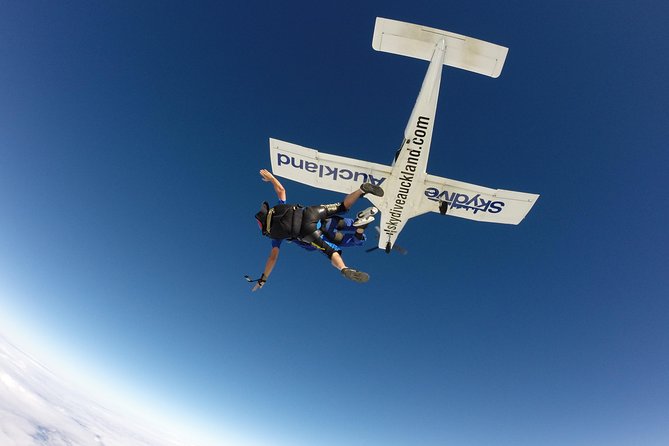
At $214.10 per person, this isn’t a casual activity, and it shouldn’t be. You’re paying for tandem instruction, certified gear, and a high-altitude flight with a big safety briefing built into the day.
Here’s where the value argument gets real:
- You’re not just paying for “being in the air.” You’re paying for a structured tandem jump with equipment and safety steps included.
- You get clearly described performance at 18,000 ft (about 75 seconds of freefall at 200+ km/h), so the product is measurable.
- The views are strong enough that it feels like a once-per-trip memory, not a quick thrill that vanishes after you land.
Photo and video aren’t included, but that can be a smart way to control cost. You can choose to add the visuals if you want, rather than having them built into the base price. For some people, paying for a professional set is worth it because it captures the moments you can’t fully control while you’re experiencing the jump.
If you’re weighing this against “just another adrenaline activity,” the difference is the combination of height, views, and the tandem support. That’s what makes the price feel like a good trade for many first-timers.
Photos, video, and what to add on the day
The base experience includes your tandem jump and safety setup. Photo & video packages are available to purchase on the day, which gives you flexibility.
That’s useful because after you land, you can decide based on how you felt. Some people want the full souvenir package. Others just want to remember it through their own eyes and skip the add-on.
If you’re budgeting, treat this as a controlled optional expense. The operator doesn’t force it as part of the ticket price, so you can keep the decision tied to your comfort level on the day.
Weather and rescheduling: the only real downside you can’t outsmart
Weather is the limiting factor here. You’ll need to check conditions close to your jump time—specifically, the operator asks you to contact them 1 hour prior to confirm the weather is suitable. If it’s not, they’ll help you reschedule.
This is the one thing I’d call a practical consideration. It’s not “bad luck.” It’s what keeps sky sports safe. In Auckland, weather can shift quickly, so plan your day with that buffer mindset.
Also, if the experience is canceled due to poor weather, you’re offered either a different date or a full refund. That reduces the risk of losing money when the sky doesn’t cooperate.
So yes, bring a little flexibility into your itinerary. If you’ve booked a tight schedule, make sure you have at least some slack that can absorb delays.
Who should book Skydive Auckland (and who should double-check)
This activity fits most people who are comfortable with heights and want a tandem first experience. It’s designed for first-timers because you’re not doing the complicated stuff alone.
But you should double-check a few key limits:
- 100kg weight restriction
- Under 18 needs a parent or guardian with you
- 18,000 ft is limited to age 12+
If you’re coming with a teen who’s over the minimum age, this is a rare chance to do a high jump level that many operators don’t offer for that age band. If you’re doing it with kids in the family, you’ll need to match the height choice to age rules.
If you have mobility limits, you’ll want to ask questions ahead of time because the provided data only says most travelers can participate. It doesn’t spell out specific accommodation details, so keep that in mind.
Finally, if you’re traveling with friends, this can be a great group activity. The plane capacity and group-flow setup make it feel social instead of weirdly solitary.
Should you book this sky jump near Auckland?
Yes, I think you should book Skydive Auckland if you want a top-tier tandem experience with real altitude, long freefall, and a route that shows off both coasts and major landmarks. The mix of 18,000 ft freefall details and the potential to go as high as 20,000 ft makes it feel like a serious bucket-list hit, not a tourist version of thrill sport.
You might skip it if you can’t tolerate weather uncertainty or you have a tight schedule with no buffer. The good news is the operator supports rescheduling if conditions aren’t right, and refunds are available when cancellations happen due to poor weather.
FAQ
FAQ
How long does the Skydive Auckland experience take?
It’s about 3 hours (approx.) from start to finish.
Where does the experience take place?
The activity is in Parakai, and the meeting point is listed at West Auckland Airport, RD 1, 76 Green Road, Helensville 0874, New Zealand.
What heights are available for the tandem jump?
You can jump from as high as 20,000 feet, with a top tandem option listed at 18,000 feet. Lower options include 13,000 feet and 9,000 feet.
How long is the freefall at 18,000 feet?
At 18,000 feet, the freefall is described as about 75 seconds at 200+ km/hr.
What’s included in the price?
Your ticket includes the tandem jump from your chosen height, all equipment, and a full safety briefing.
Are photo and video packages included?
No. Photo & video packages are available to purchase on the day.
Are there weight or age restrictions?
Yes. There’s a 100kg weight restriction. If you’re under 18, you need a parent or guardian. For 18,000 ft, the jump is limited to those who are 12 years or over.
What happens if the weather is not suitable?
The operator asks you to contact them 1 hour prior to confirm conditions. If weather isn’t suitable, they’ll help you reschedule. If it’s canceled due to poor weather, you’ll be offered a different date or a full refund.
Can I cancel and get a full refund?
Yes. You can cancel for a full refund up to 24 hours in advance of the experience start time. Less than 24 hours before start time isn’t refundable based on the policy provided.