REVIEW · WAITOMO GLOWWORM CAVE DAY TRIPS
Auckland North Shore Glowworm Tour
Book on GetYourGuide →Operated by Social Nature Movement · Bookable on GetYourGuide
Night glow in the North Shore woods. This guided Auckland tour shows you New Zealand glowworms in their natural habitat at Awaruku Reserve—no railings, just night-bush wonder. I especially like how the guide explains what you’re seeing (the glowworm lifecycle and how they hunt), and how the walk mixes native trees, birds, and Māori place context into the dark.
Two things I’d put at the top: first, you get a close view of the glowing larvae in a real forest setting rather than an artificial viewing setup. Second, the tour includes a short conservation-focused walk that connects the glowworms to the wider restoration work happening in the reserve.
One possible consideration: the tour hints at extra bioluminescence moments on some evenings, but it depends on conditions—so you’re mainly signing up for glowworms in the forest.
In This Review
- Key highlights you will care about
- Meeting at Hairluxx Boutique and setting the mood
- Awaruku Reserve walk: kauri, nikau, and Māori settlement context
- The glowworm spotting: Arachnocampa luminosa, silk threads, and that blue-green light
- A short walk on conservation: Kākā, kererū, and habitat restoration
- Bioluminescence extras on some evenings: what to expect and what to accept
- How long it takes, and how the timing affects the experience
- Photos in a dark forest: what to bring and how to succeed
- Who this tour suits best on the Auckland North Shore
- Should you book this Auckland North Shore glowworm tour?
- FAQ
- Where is the meeting point?
- How long does the tour take?
- How big is the group?
- What language is the tour guide?
- What should I wear and bring?
- Will I see glowworms up close?
- Is there free cancellation and can I pay later?
Key highlights you will care about
- Small group (max 10): easier conversation and a closer glowworm viewing experience
- Glowworms in natural habitat, without barriers: you see the night-bush the way it is
- Arachnocampa luminosa lifecycle explained: silk threads, light, and prey-catching behavior
- Awaruku Reserve forest walk: Kauri trees and Nikau Palms with Māori settlement context
- Conservation walk included: restoration work linked to native birds like Kākā and Kererū
- Photo time built in: bring a camera for glowworm and forest-night shots
Meeting at Hairluxx Boutique and setting the mood
Your evening starts at Hairluxx Boutique in Torbay, where the guide meets you outside. If you like using maps, the meeting area is easy to drop into coordinates: -36.6982193, 174.7333069. It’s a practical start point, and it means you’re not hunting down trailheads in the dark.
Once you meet up, the guide gives a quick intro to the tour and a short safety briefing. That matters here because the experience happens on forest trails at night—simple guidance helps you move calmly and focus on what’s coming next.
A big plus is the small-group limit (up to 10 participants). With fewer people, you don’t have to fight for sightlines, and it’s easier to ask questions as you go.
You can also read our reviews of more tours and experiences in Auckland.

Awaruku Reserve walk: kauri, nikau, and Māori settlement context
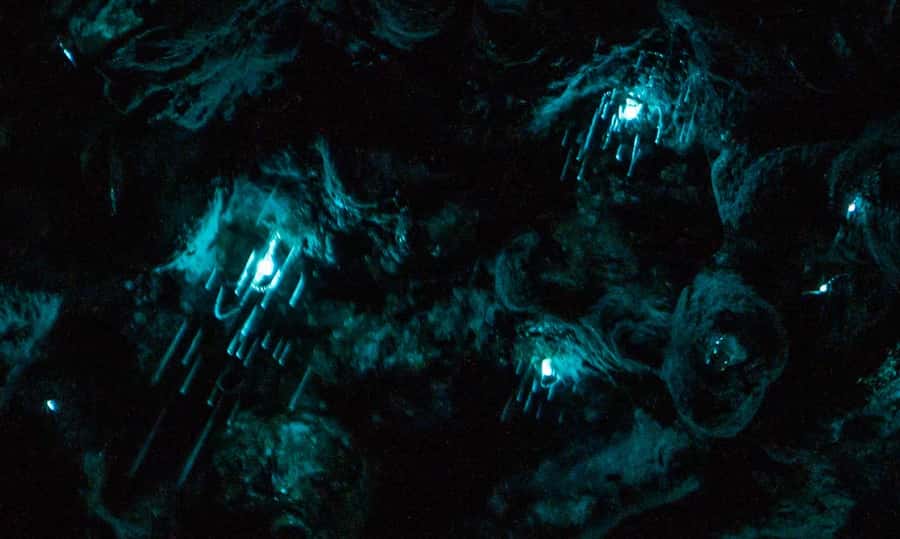
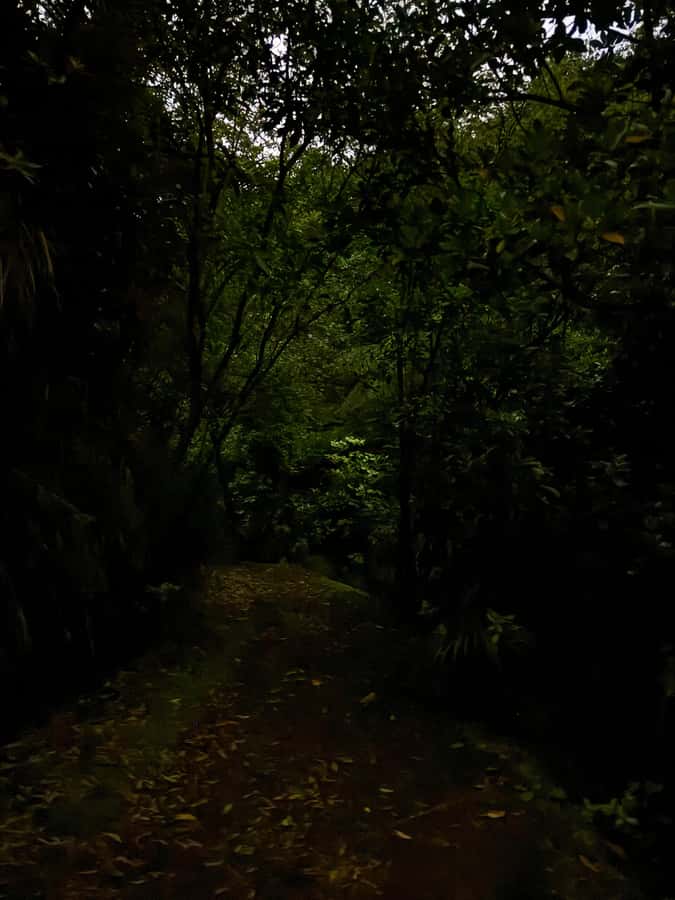
The heart of the tour is at Awaruku Reserve, an area of over 12 hectares of native forest on Auckland’s North Shore. Before the glowworms, you take tranquil trails where the guide points out key plants and explains why the place matters.
You’ll hear about Kauri trees and Nikau Palms, and you also get cultural context tied to the reserve’s significance as a site of ancient Māori settlements. That blend is useful. It turns the night walk from just a sightseeing stop into something you can understand—how this forest connects ecology with people’s long relationship to the land.
Expect the pace to match the setting: it’s quiet, it’s nighttime, and you’re walking through real habitat rather than a lit-up attraction. Some tours rush. This one gives you time to slow down, notice the structure of the forest, and then wait for dusk to do its job.
The glowworm spotting: Arachnocampa luminosa, silk threads, and that blue-green light
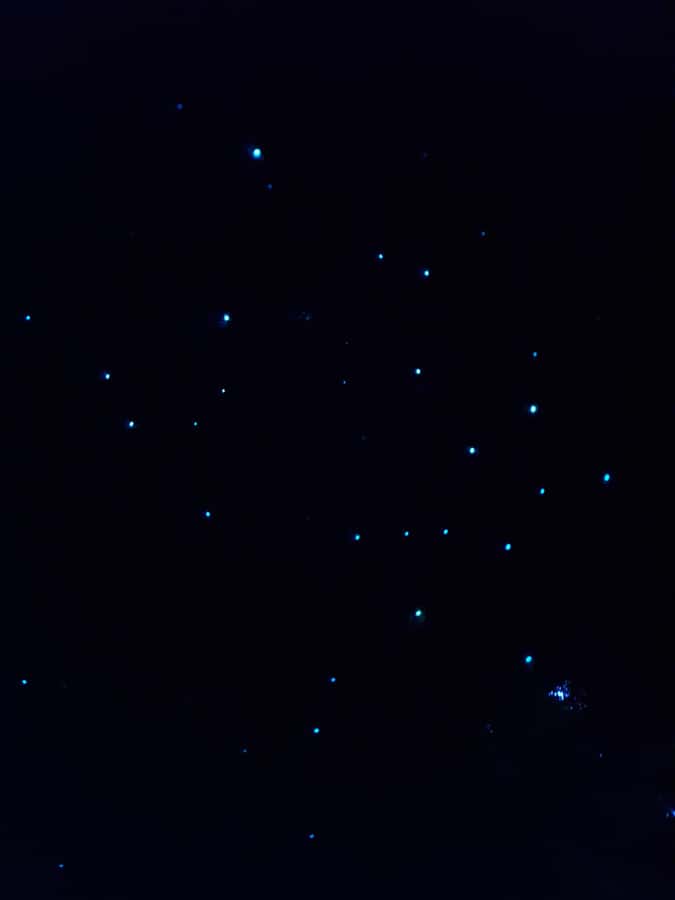
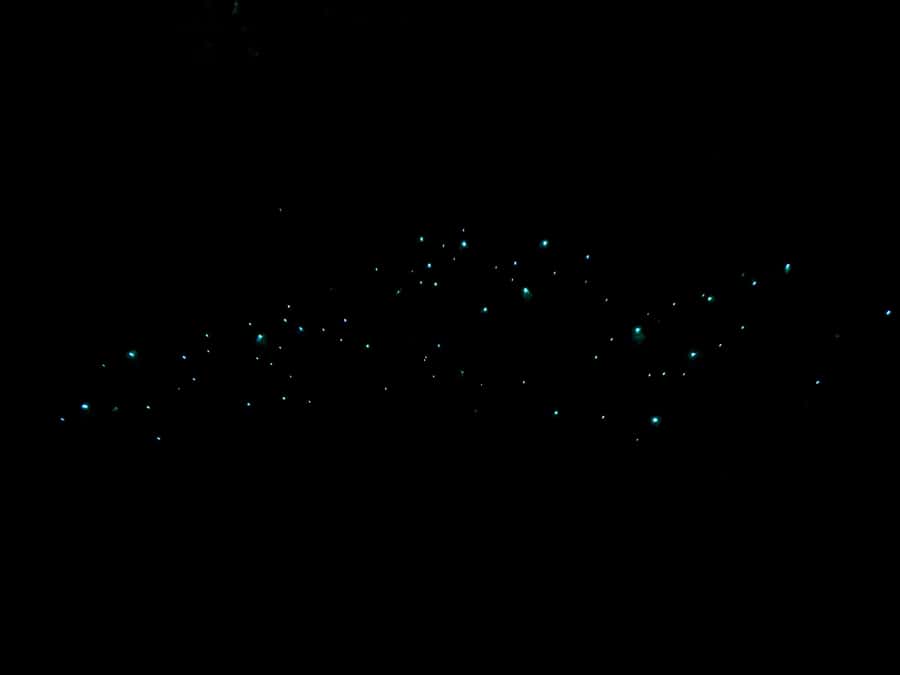
As dusk falls, you reach a secluded viewing spot known for glowworm displays. This is where the tour delivers its main payoff: the glowing larvae of Arachnocampa luminosa.
What I like about this part is that it’s not just staring at light. Your guide explains the glowworm lifecycle, then connects the biology to what you’re actually seeing in front of you. Glowworms are larvae, and the glow you notice is part of how they hunt—using silk threads plus light to attract prey in the dark.
You’re also seeing them in their natural environment, with the tour set up so you can view the glow without barriers. That matters for two reasons: it keeps the experience feeling natural and it helps your photos stay more true to what the forest looks like in low light.
From the guide explanations and what people consistently highlight, the experience often feels close and personal. You’re not looking at glowworms from far away, through an artificial setup. You’re standing near the real thing—small lights turning the night-bush into a soft, living scene.
A short walk on conservation: Kākā, kererū, and habitat restoration
After you’ve had time to watch the glowworms, the guide leads you on a short walk focused on conservation. This is a key part of the value, because it explains what you’re witnessing in a bigger context.
The tour connects the glowworm ecosystem to the wider work protecting native species in the reserve, including birds such as Kākā and Kererū. Restoration efforts matter here because glowworms are one piece of a whole web—native forest health, prey availability, and habitat conditions all affect what thrives in the darkness.
If you like nature tours that leave you with more than a photo, this conservation segment gives you a clear thread to follow. It’s also a good reminder that glowworms are not the only stars of the show—this forest is built to support a range of native life.
Bioluminescence extras on some evenings: what to expect and what to accept
The tour description includes a chance of seeing additional natural bioluminescence moments on some evenings, depending on conditions. On certain nights, the experience may include coastal areas where bioluminescent organisms can light up the water and shoreline.
This is worth planning for mentally, but it’s also worth treating correctly: conditions-dependent means you should expect the glowworms in the forest as the main event, not the ocean lights as a guarantee. If you get both, great. If you only get the forest glowworm show, you’re still in the right place.
Also note the tour talks about bioluminescence as a natural process—living organisms producing light—covering both forest glowworms and marine bioluminescent dinoflagellates (the kind behind glowing water). If that science angle excites you, it’s a nice way to connect what you see on land to what you can sometimes see out at sea.
How long it takes, and how the timing affects the experience
Here’s the one part that deserves careful attention before you book. The activity information lists the duration as 45 minutes, but the guided tour in the day’s plan is described as 105 minutes for the walking portion.
That doesn’t automatically mean you’re misreading something—it more likely means your booking time, meet time, and exact on-the-ground walking portion can vary by schedule. My practical advice: when you choose your start time, check the details shown for your specific slot, then plan for a typical evening outing where a chunk of that time is spent walking and waiting for dusk.
Timing matters because glowworms are tied to nighttime conditions. If you arrive late, you can lose the best light window. So build in a buffer for Torbay traffic and parking.
Photos in a dark forest: what to bring and how to succeed
A camera is specifically encouraged—bring it. In a glowworm setting, you’re mixing tiny light sources with very dark surroundings, so you’ll want to be ready to shoot quickly when the glow is strongest.
A few photo-minded habits help:
- Bring a camera you can operate without turning on bright lights for everyone around you.
- Keep your hands free so you can watch as well as photograph.
- Expect low-light shots more than bright, colorful scenery shots.
Also, because the tour lets you see glowworms without barriers, you’ll get more natural framing than you would with a fenced-off viewpoint. That’s a real advantage for anyone who cares about images that feel like place, not like a booth.
Who this tour suits best on the Auckland North Shore
This is a great fit if you want a short, guided night walk with real nature content. The small group size helps, and the guide-led questions-and-explanations format makes it especially friendly if you don’t know much about glowworms yet.
It’s also a solid option if you’re staying on the North Shore and don’t want to go far for glowworm viewing. The experience is right in Auckland’s bush, using Awaruku Reserve as your setting.
You’ll be especially happy if you enjoy:
- guided explanations that connect the biology to what you see
- calm evening walks
- conservation-focused stories rather than only spectacle
And it may be less ideal if you hate night activities or prefer car-only sightseeing. This one is very much about walking in the dark-bush atmosphere.
Should you book this Auckland North Shore glowworm tour?
I think you should book if you want an evening glowworm experience that feels natural, not industrial. The combination of close viewing, lifecycle explanations of Arachnocampa luminosa, and a conservation segment tied to native birds like Kākā and Kererū is strong value for a short outing.
I’d hesitate only if you’re expecting guaranteed extra bioluminescence beyond the forest, like glowing ocean water. The tour sets those moments up as possible on some evenings, but they depend on conditions. Still, even without coastal effects, the Awaruku forest glowworm show is the main event here.
If you do book, wear comfortable walking shoes. You’re on trails, and the best part is what you’ll notice when you can move easily and stay focused on the night lights.
FAQ
Where is the meeting point?
Meet outside Hairluxx Boutique in Torbay. The provided coordinates for the meeting area are -36.6982193, 174.7333069.
How long does the tour take?
The activity information lists 45 minutes, while the guided tour portion is described as 105 minutes. Check the details for your specific time slot when booking.
How big is the group?
The tour is limited to a small group of up to 10 participants.
What language is the tour guide?
The live tour guide speaks English.
What should I wear and bring?
Wear comfortable walking shoes. Bring a camera for photos.
Will I see glowworms up close?
Yes. The tour highlights seeing glowworms in their natural habitat without barriers, and it’s set up for close viewing in the forest.
Is there free cancellation and can I pay later?
Yes. There is free cancellation up to 24 hours in advance for a full refund, and you can reserve now & pay later (pay nothing today).