REVIEW · AUCKLAND MUSEUM TICKETS
Māori Cultural Experience & Auckland Museum General Admission
Book on Viator →Operated by Auckland War Memorial Museum · Bookable on Viator
Māori culture, close up at Auckland Museum. This Māori Cultural Experience at the Auckland War Memorial Museum pairs a live stage performance with general admission so you can follow the music, dance, and stories with real New Zealand history right after. If you like learning through performance (not just text on a wall), this works fast.
I especially liked the respectful, structured way the group shares meaning behind waiata (songs) and poi skills, not just the moves. I also liked the handy combo value: for one ticket you get the cultural program plus time to explore the museum’s natural history and New Zealand heritage exhibits at your own pace.
One thing to consider: the stage portion is short, and a few people felt the haka moment was briefer than they expected. If you’re coming specifically for a big, long haka-style show, I’d go in with flexible expectations and be ready to focus on meaning as much as intensity.
In This Review
- Key things I’d note before you go
- Living Taonga at Auckland Museum: what this cultural program really is
- Songs, poi, and storytelling: the moments to watch for
- The haka section: meaning-first, and why expectations can clash
- Using your included museum admission without wasting time
- Māori Court and Pacific Galleries: what the closure means for your visit
- Price and value: is $38.48 a smart deal?
- Logistics that matter: where to meet and how to manage timing
- Who should book this, and who might adjust expectations
- Should you book this Auckland Museum Māori Cultural Experience?
- FAQ
- What is included in the ticket?
- Is Auckland Museum admission included?
- Are special exhibitions included?
- Where do I meet for the experience?
- How long does the experience take?
- Does the program include a haka?
- Are the Māori Court and Pacific Galleries open?
- What is the cancellation policy?
- Is it suitable for most travelers, and are service animals allowed?
Key things I’d note before you go
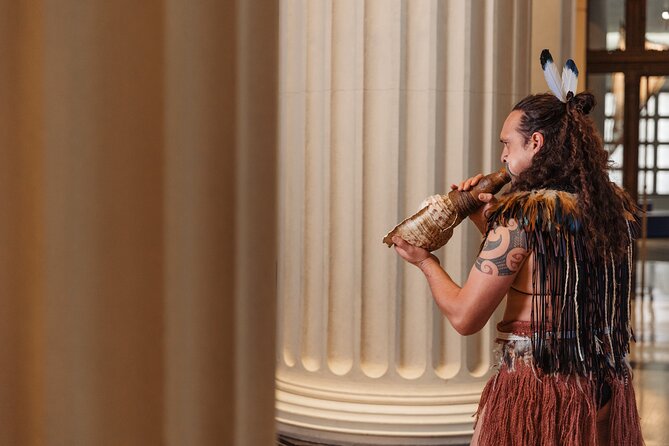
- Live Māori performance led by indigenous artists with singing, poi, storytelling, and dance
- Haka context built into the program—origins, traditional uses, and differences
- Museum entry included so you can keep learning right after the show
- Some galleries are closed for maintenance, which may affect what you can see
- Not a guided museum tour—you’re on your own inside the galleries
- Expect variability in stage time and how long the haka feels, based on guest feedback
Living Taonga at Auckland Museum: what this cultural program really is
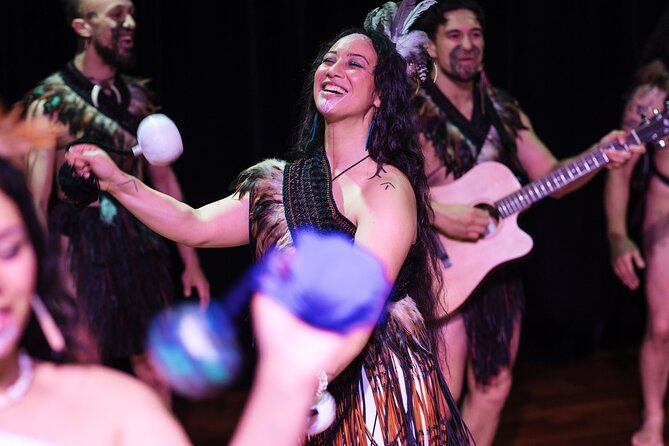
This experience is built around a simple idea: Māori culture isn’t frozen in time. It’s living, taught, and performed, with elders and artists using voice, rhythm, and movement to explain who people are and where they come from.
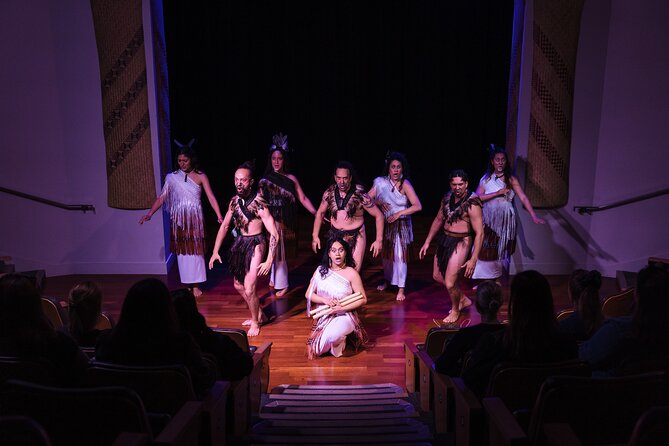
At Auckland Museum (inside the Auckland War Memorial Museum complex), you’ll be introduced to Māori culture through a group of indigenous artists and orators. The show focuses on both the artistic side—beautiful waiata, poi, dance—and the meaning behind it: storytelling and cultural endurance across history.
The big value for you is that you’re not stuck choosing between culture and museums. You get a live program first, then you can spend museum time connecting what you just watched to objects and exhibits in the building. That flow makes this ticket feel like more than just an add-on.
You can also read our reviews of more museum experiences in Auckland

Songs, poi, and storytelling: the moments to watch for
The show is designed like a guided introduction in performance form. You’ll hear traditional songs and see poi skills performed in a way that’s meant to be understood, not just admired from a distance. The poi are more than athletic tricks; they’re part of the wider cultural language of rhythm, coordination, and discipline.
Poi work is one of the easiest parts for you to enjoy quickly because it looks impressive even before you understand every detail. If you’re the type who watches hand and foot patterns automatically, this will hold your attention. If you’re more reflective, the storytelling sections can land just as hard—especially when the narrator or orators explain beliefs and practices in clear, structured language.
What I like about the format is that it’s not trying to cram everything into one big lecture. Multiple reviews highlight that the narration helps you make sense of actions and implements. That’s the difference between watching a performance and actually learning from it.
The haka section: meaning-first, and why expectations can clash
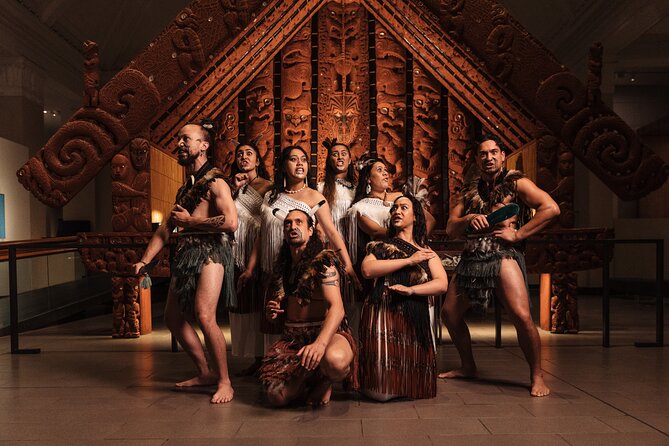
The program explicitly includes the origins and meaning of the haka—including traditional uses and how haka types differ. That’s important because haka isn’t one single thing. It’s a ritual form that can communicate strength, identity, unity, and more, depending on context.
Here’s the catch: the experience length is broad (roughly 45 minutes to 3 hours total including your museum time), and the stage performance portion can feel short. Some guests specifically said they didn’t get the haka they expected, or that the haka came across as abbreviated. Other guests said the haka brought strong emotion, even to the point of tears.
So how should you play it? If you want a strong emotional impact, show up ready to listen. If you want a long, uninterrupted haka-style performance moment, go in knowing the program is structured as a cultural overview, not a full-length theatre production.
Also consider something practical: one review mentioned a wish that the haka words had been translated. The show focuses on meaning, but interpretation can matter if you want the exact language you’re hearing. If you care about that, keep your attention tuned to any explanations during the program and don’t assume full translation will be provided.
Using your included museum admission without wasting time

Your ticket includes general admission to Auckland Museum. That means you can explore at your own pace after the performance, and the museum adds a second layer to what you’re learning.
The museum is described as strong on natural history and New Zealand heritage. That pairing matters because Māori culture isn’t separate from the rest of the country’s story—environment, land, and history all show up across collections. You’ll likely find exhibits that help you place what you just heard into a wider New Zealand context.
One practical tip: plan your time right after the show. Since you have general admission (not a guided tour), you’ll get more out of it if you pick a few “must-see” areas and don’t get lost wandering. If you’re prone to museum rabbit-holes (I am), set a rough limit for your first visit and save the rest for a second stop.
Also remember: special exhibitions aren’t included. So if you’re hoping to see ticketed gallery highlights, check what’s included versus what needs an extra purchase before you get your heart set on a specific exhibit.
Māori Court and Pacific Galleries: what the closure means for your visit

There’s an important note before you go: the Māori Court and Pacific Galleries are temporarily closed for essential maintenance work. That can affect your visit in two ways.
First, those galleries would normally help connect Māori cultural themes with objects and spaces. You’re still getting the live performance, but the museum side may feel slightly less complete if you were planning to build your learning through those specific rooms.
Second, if you’re going mainly for those galleries, your ticket still gives you access to other parts of Auckland Museum. You’ll just want to accept that some targeted areas won’t be available right now. If you’re a museum planner, it’s worth mentally swapping out your “Plan A must-see” list and focusing on what is open the day you arrive.






Price and value: is $38.48 a smart deal?
At $38.48 per person, this ticket price works best as a combo value: you get a Māori cultural performance plus museum general admission in one package.
If you would have visited Auckland Museum anyway, this is the most straightforward value argument. You’re basically adding a live cultural introduction without paying separately for the performance. Several reviews also mention that the combo ticket can feel easier and cheaper than buying in pieces.
But if you’re only interested in one part—the museum or only the stage show—then value can swing. Because the performance itself can feel brief, you should treat it as a strong cultural introduction rather than a long, deep, multi-hour immersion program.
For the best value, match your expectations to the format:
- Want a short, meaningful cultural intro plus museum time? This is a great fit.
- Want a long, fully staged show with guaranteed extended haka time? You may want to look for a different option that promises a longer performance.
Logistics that matter: where to meet and how to manage timing
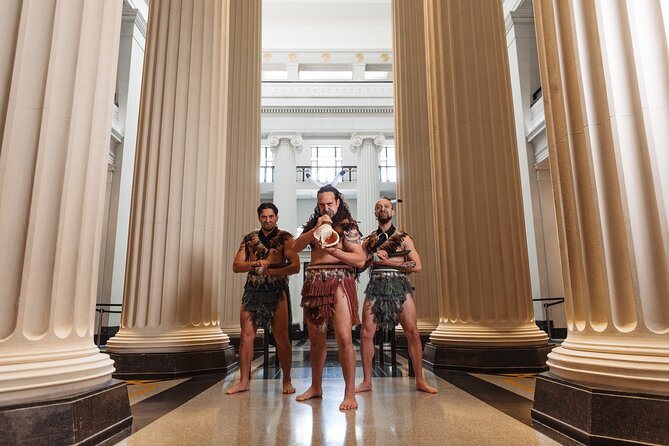
You start at Auckland War Memorial Museum, Parnell. Your ticket redemption point is also at the same museum location, so there’s no complicated travel between stops. The activity ends back at the meeting point.
Because the overall experience can run anywhere from about 45 minutes to 3 hours, you should think of your visit as flexible. The stage portion is the anchor, and your museum exploration is what stretches the total time.
If you want your day to feel smooth, arrive with a little cushion. Even if the performance is efficient, you’ll have a better experience if you’re not rushing in right at showtime. Also keep an eye on the fact that you have general admission, not a guided tour—so plan to spend time where you personally care most.
Who should book this, and who might adjust expectations
This is a solid choice if you want:
- A first-time introduction to Māori culture through singing, dance, and storytelling
- A respectful overview that helps you understand what you’re seeing (not just watching movement)
- A museum day that feels connected, with cultural learning immediately followed by New Zealand exhibits
It’s also a good fit for people who enjoy live performance and can appreciate explanations alongside the art. Many reviews highlight how moving and educational the presentation feels, and how the group communicates meaning clearly.
You might want to adjust expectations (or compare options) if:
- You’re expecting a long, headline-style haka performance lasting for a big chunk of the show
- You’re very sensitive to how authentic you perceive a performance to be (there were a few strongly negative comments, even though many reviews were enthusiastic)
- You dislike short stage programs and prefer guided, deeper cultural learning
Basically: treat it like a powerful sampler that pairs well with Auckland Museum—not a substitute for longer cultural programming.
Should you book this Auckland Museum Māori Cultural Experience?
I’d book it if you’re planning a museum visit anyway and you want a short, respectful, hands-on-by-performance introduction to Māori culture. The combo ticket value is real, and the show’s mix of waiata, poi, storytelling, and haka meaning gives you multiple ways to connect.
I’d also book it if you enjoy learning through voice and movement. Even when guests vary in how long they felt the haka moment lasted, the most common praise centers on education, respect, and strong presentation.
I’d hesitate only if your main goal is a lengthy, guaranteed haka performance segment, or if you’re specifically hunting for what’s inside the Māori Court and Pacific Galleries—those are currently closed. If that’s you, check what open areas will satisfy you before you commit.
If you want a practical “best use” plan: go for the cultural program first, then spend your museum time in a focused way. You’ll leave with a clearer picture than you’d get from a performance alone—or from museum walls alone.
FAQ
What is included in the ticket?
The booking includes the Māori Cultural Performance ticket plus general admission entry to Auckland Museum.
Is Auckland Museum admission included?
Yes. General admission to Auckland Museum is included with this booking.
Are special exhibitions included?
No. Special exhibition entry for ticketed exhibitions is not included.
Where do I meet for the experience?
You start at Auckland War Memorial Museum, Parnell, Auckland 1010, New Zealand. Ticket redemption is also at Auckland Museum, Parnell.
How long does the experience take?
The experience duration is listed as approximately 45 minutes to 3 hours, depending on the schedule and how you use your museum time.
Does the program include a haka?
The experience is described as covering the origins, traditional uses, and differences of the haka. Some guests also commented that the haka portion felt shorter or different than expected.
Are the Māori Court and Pacific Galleries open?
No. The Māori Court and Pacific Galleries are temporarily closed due to essential maintenance work.
What is the cancellation policy?
Free cancellation is available up to 24 hours in advance for a full refund. Canceling less than 24 hours before the start time means the amount paid is not refunded.
Is it suitable for most travelers, and are service animals allowed?
Yes. Most travelers can participate, and service animals are allowed. The venue is near public transportation.