REVIEW · AUCKLAND WINE COUNTRY TOURS
Muriwai Scenic Wine Tour from Auckland
Book on Viator →Operated by NZWINEPRO - Auckland Wine Tours · Bookable on Viator
Muriwai plus wine is a very Auckland combo. This half-day trip pairs the black-sand coast and cliff-top gannet colony at Muriwai with a guided tasting out in West Auckland wine country. You get to see farm-to-coast scenery without eating up your whole day.
What I like most is the pace and the attention. With a maximum of 11 travelers, the guide can slow down for questions and take weather and timing seriously. The other big win is the contrast: you’ll walk on volcanic sand and then taste local varietals like pinot gris, pinot noir, and riesling on a real tasting-room visit.
One consideration: it’s weather-dependent. If the coast is rough or visibility is poor, the plan may shift, so go in with layers and the right attitude.
In This Review
- Key points that make this tour worth your afternoon
- Muriwai Scenic Wine Tour: the mix that makes the drive feel short
- Timing and pacing: how the 4 hours actually plays in real life
- Pickup at SkyCity Auckland: a low-stress start
- The West Auckland drive: scenery, farming, and why you’ll remember it later
- Stop at the coast: Muriwai’s black-sand beach and what to look for
- Otakamiro Point and the gannet colony: the moment with real wildlife energy
- Wine tasting in West Auckland: how the visits feel and why they’re good value
- Comparing the two wineries: what you should notice while you taste
- Weather-proof your afternoon: layers, timing, and photo strategy
- Alcohol limits and the no-food detail: plan your fuel
- Group size, guides, and the vibe: small group does real work
- Price and value: what you’re really paying for
- Who should book this tour?
- Should you book the Muriwai Scenic Wine Tour?
- FAQ
- What is the duration of the Muriwai Scenic Wine Tour?
- Where does the tour pick up and end?
- What’s included in the price?
- Is there food included?
- What time does the tour start?
- How big is the group?
- What wineries might be visited for tastings?
- How old do you need to be to drink wine?
- Is the tour dependent on weather?
- What’s the kid policy?
Key points that make this tour worth your afternoon
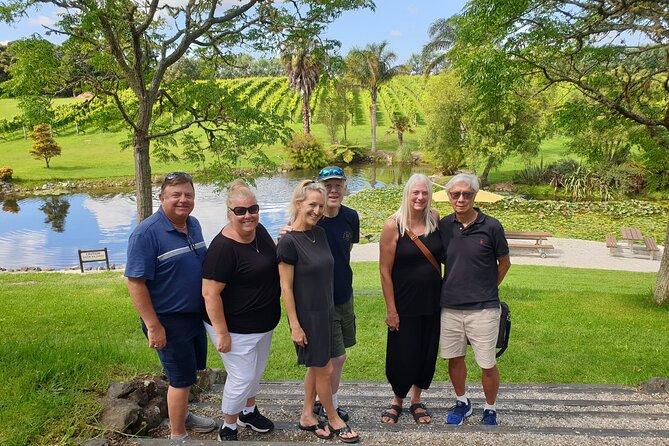
- Black-sand beach + gannets at Otakamiro Point: you’ll visit the cliff area with rocky nesting sites and the region’s gannet colony.
- Two winery stops with guided tastings: you’ll sample styles tied to the Kumeu/Waimauku area, often including crisp whites and light reds.
- Small-group feel (max 11): easier conversation, more chances for photos, and less sitting around.
- Central Auckland pickup at SkyCity: convenient departure from CBD, then you’re dropped back where you started.
- Good structure for half a day: beach time plus wine time, without trying to cram a full-day itinerary.
Muriwai Scenic Wine Tour: the mix that makes the drive feel short
This tour works because it doesn’t treat nature and wine as separate chores. It puts them in the same afternoon, in the same order most people actually want: coast first, then vineyards. You start with a climate-controlled drive out of Auckland’s CBD and end back in town before your evening plans start heating up.
At the heart of it is Muriwai—West Auckland’s wind-and-wave playground. The black sand is volcanic, the cliffs are rugged, and the gannets add a live, moving soundtrack. Even if you’ve never cared about birds before, cliff-top nesting colonies have a way of grabbing your attention fast.
The other half is wine country. The tastings are built around local varietals and blends, and the stops you may visit include family-run estates in the wider Kumeu/Waimauku region. It’s a good setup if you want a “taste and learn” style visit without needing to research dozens of cellar doors ahead of time.
You can also read our reviews of more wine tours in Auckland

Timing and pacing: how the 4 hours actually plays in real life
The tour runs about 4 hours (approx.) and starts at 12:30 pm. That matters because it’s long enough to feel like you did something meaningful, but short enough to still enjoy dinner plans afterward. The day is structured with clear transitions: pickup, scenic travel, a walk at the coast, then tastings.
On the road, you’ll pass through areas like Waimaulu, Kumeu, and Huapai. Huapai translates to the place of excellent fruit in Māori, which is a nice little reminder that this is working farmland as much as it is “tourist wine country.” The drive itself is part of the experience, not just a transfer.
Once you reach Muriwai, you’re not stuck in a parking lot. You’ll get out to explore with your guide, then continue to Otakamiro Point for the gannet colony area. After that, it’s back toward the wineries, with the tour ending at the original departure point.
If you’re someone who hates rushing, you’ll likely appreciate the small-group setup. Many people enjoy that the guide can adjust in real time when conditions change.
Pickup at SkyCity Auckland: a low-stress start
Your pickup is at SkyCity Auckland, at the corner of Victoria and Federal Street in Auckland Central. I like this because it’s central and easy to find without turning your afternoon into a scavenger hunt. The tour also uses transport back to the same meeting point, so you don’t need to manage a second ride home.
There’s also a mobile ticket involved. That’s small, but it helps if you’re already juggling maps, weather checks, and phone battery.
One more practical detail: this is run with a maximum of 11 travelers. That keeps the vibe calm, and it usually means fewer stops are wasted on logistics like re-checking names or waiting for people to regroup.
The West Auckland drive: scenery, farming, and why you’ll remember it later
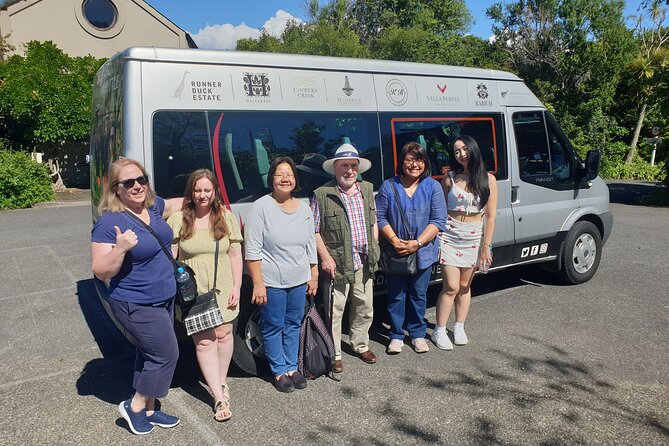
The drive out from Auckland isn’t just freeway miles. You’ll travel west through scenic parts of West Auckland in a climate-controlled vehicle, which is a relief if you’re visiting in seasons with either rain or sudden temperature swings.
The route gives you a quick “outside the city” education. You see the shift from urban Auckland to rural Kumeu and the Huapai area, which is exactly the kind of context you want when you’re about to taste local wine. Wine in this region doesn’t come from nowhere—it comes from weather, soil, and farming decisions that live out in the countryside.
A good guide can point out what you’re seeing from the roadside. In the past, guides linked to this experience—like John McFarlane and other drivers such as Daniel and Mike—have been praised for keeping narration going and steering attention to what’s worth noticing.
Stop at the coast: Muriwai’s black-sand beach and what to look for
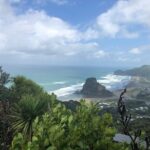
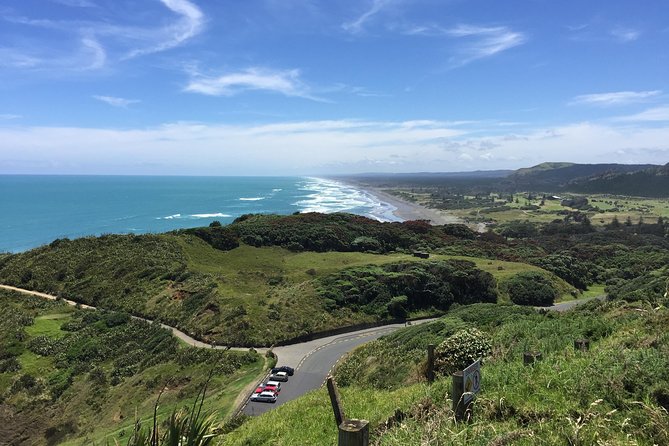
At Muriwai, you’ll head to the black sand beach area and walk with your guide. The sand is volcanic, and the shoreline is famous for surf and big weather. That combination makes the beach feel dramatic even when it’s quiet.
Here’s what I’d focus on when you’re there:
- Texture and color: the black sand looks almost unreal against the sky and foam.
- Wind direction: on the coast, it matters for both comfort and photos.
- Bird activity: even before you reach the colony viewpoint, look for movement on the cliffs and rocks.
Depending on conditions, you’ll learn more about the area’s history and features, which adds meaning to the scenery. One of the most consistent takeaways is that the beach itself is a highlight—people often describe it as a main event, not just a quick photo stop.
And yes, you should expect unpredictable weather. Auckland coastal weather can change fast. Bring layers and some rain gear even if the morning looks fine.


Otakamiro Point and the gannet colony: the moment with real wildlife energy
After the beach, you continue to Otakamiro Point, where the cliffs and rocky nesting areas host the region’s only gannet colony. This is the part of the tour that feels most alive. You’re not just seeing a view—you’re seeing animals in their daily routine, from a safe vantage point.
If you’ve ever watched seabirds at a distance, you already know how quickly you can lose track of time. The birds move, the wind shifts, and suddenly you’re spending extra minutes craning your neck and checking angles for photos.
This stop also balances out the wine part of the afternoon. After tasting rooms and quiet conversations, a wildlife-focused viewpoint resets your senses.
A key note: your experience depends on weather. When conditions aren’t ideal, it’s smart to keep expectations flexible. The good news is that guides connected with this tour have been praised for working around shifting conditions and still fitting in the scenic stops where possible.
Wine tasting in West Auckland: how the visits feel and why they’re good value
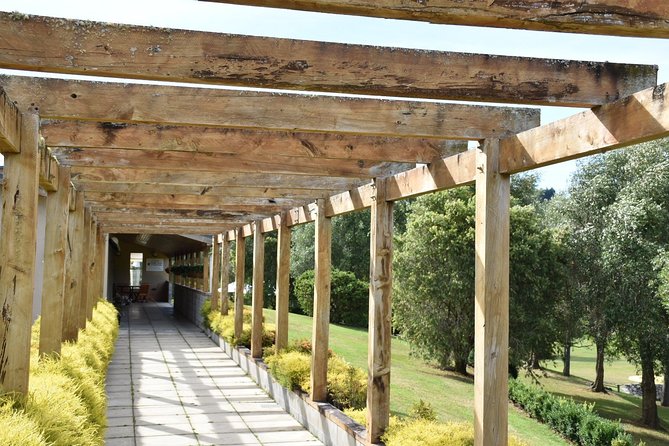
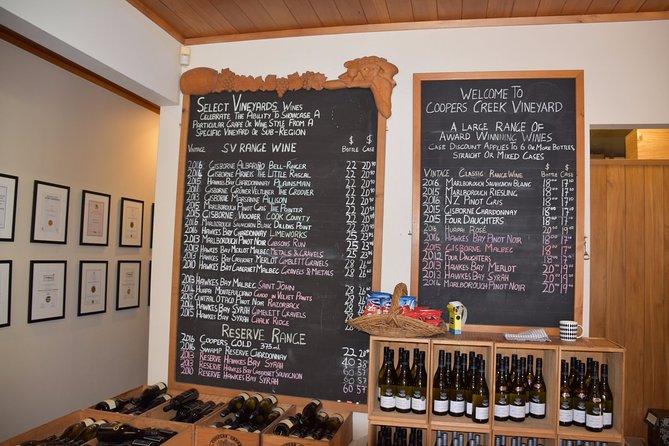
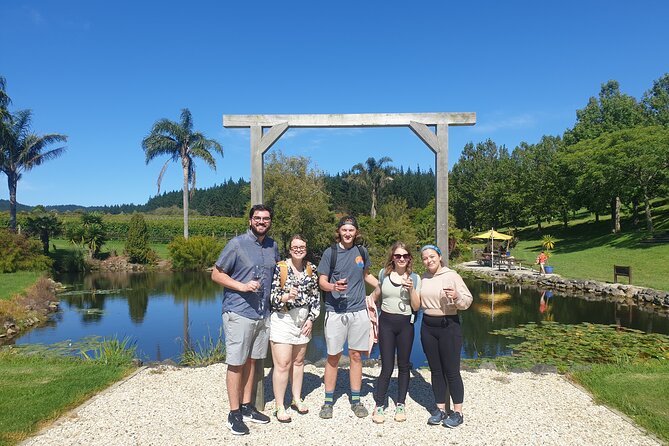
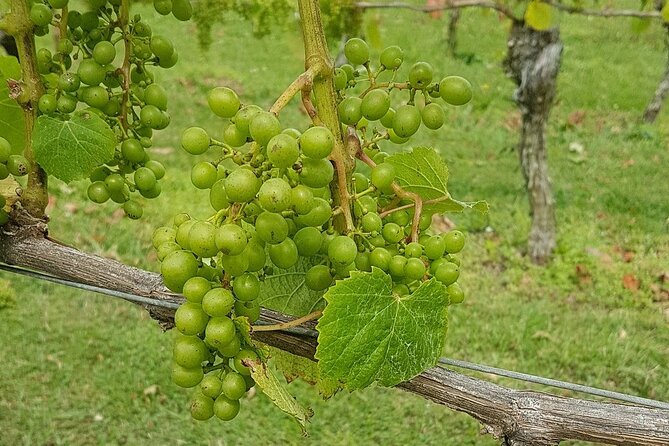
The wine side of this tour is built around guided tastings at included estates. You’ll sample local styles such as pinot gris, pinot noir, and riesling. The tasting is the main event, but the bigger value is context: you get a guided explanation of what you’re tasting and how the region’s wines tend to show up.
This is also where the “half-day” format works well. You’re not trying to do three or four tastings on your own. Instead, you get a structured visit to two wineries, with a guide coordinating timing and transitions so you don’t feel rushed in the tasting rooms.
The tour’s winery options and examples you may encounter include:
- Soljans Estate: established in 1937, run by the same family into the 5th generation, with wines including Estate Chardonnay and Pinot Gris (and the itinerary listing also references Marlborough Riesling and Gewürztraminer).
- West Brook Wines (Waimauku Valley): family owned since 1935, with tasting-room options that may include Chardonnay, Pinot Gris, Pinot Noir, and Malbec.
On the practical side, wine tastings included in a group setting usually mean you can compare styles without paying full individual-tour prices for each cellar door. At $114.81 per person, it’s not the cheapest thing you can do in Auckland, but it’s also not trying to be a full-day premium extravaganza. For many people, the best value is the pairing of winery time plus Muriwai nature time in one coordinated afternoon.
Comparing the two wineries: what you should notice while you taste
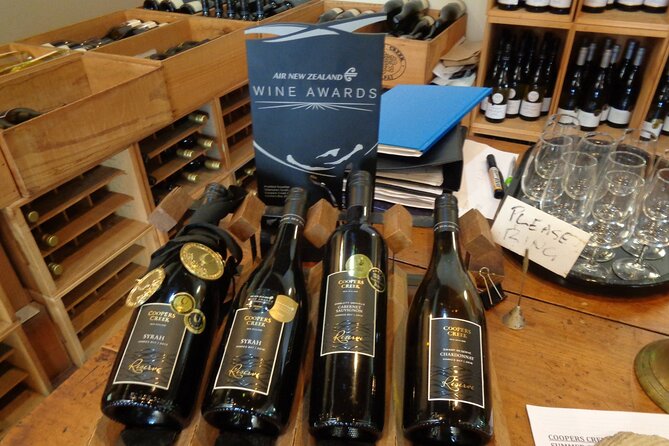
Even if you don’t consider yourself a wine expert, you can get a lot out of these tastings by using simple comparison points. I like to focus on:
- Aromas first: what scents hit you immediately?
- Texture: is it crisp and light or more rounded?
- Finish: does it feel clean and bright, or heavier?
Because the varietals in the mix can include crisp whites (like riesling or pinot gris) and lighter reds (like pinot noir), you’ll likely get a nice arc during the afternoon. It’s also a good chance to learn which styles work best for your palate—especially if you’re choosing bottles to bring home.
Some tastings may also offer a bit more variety, depending on the specific estate and what’s pouring that day. The overall goal stays the same: guided tastings with a solid chance to talk through your preferences rather than just tasting blindly.
Weather-proof your afternoon: layers, timing, and photo strategy
This tour runs in a coastal region where weather can change quickly. That’s not a dealbreaker, but it changes what you should bring and how you should plan your photos.
My advice:
- Wear layers: coastal afternoons can feel chilly even when city weather is warm.
- Bring rain gear: not because you’ll always get soaked, but because unpredictable drizzle is common.
- Plan photo time early: black sand and cliffs can look dramatic in weather changes; don’t wait until the last minute.
Also, keep in mind that the tour includes national park fees, and you’ll be walking near natural sites. Comfortable shoes matter more than fashion here.
Alcohol limits and the no-food detail: plan your fuel
The tour includes wine tastings, and the minimum drinking age is 18. That’s standard, but it matters for family planning and for how you pace yourself during the tasting.
One detail that surprises some people: no food is included. That means you’ll want to plan your meal timing. If you start at 12:30 pm and you’re hungry, eat something before pickup, or plan to get food after you return to town.
There may be opportunities to grab snacks on your own at stops, but don’t count on meals being part of the ticket. If you want a smooth afternoon, treat this as wine-and-walks with free-range snack time rather than a meal-inclusive outing.
Group size, guides, and the vibe: small group does real work
The group size is capped at 11 travelers, and that usually changes the whole experience. You’re more likely to get personal attention at each stop, and you’re less likely to end up waiting on the edge of a group photo line.
Guides linked to this tour have been praised for warmth and flexibility. In particular, John McFarlane has a reputation for deep stories that connect wine to local culture, plus the ability to adapt when the weather isn’t cooperating. Other guides like Daniel and Mike have also been described as friendly and informative.
Even if you don’t care about every detail, a guide’s job is to make the day flow. Here, the flow seems to land well: time on the beach, time at the gannet viewpoint, then wine tastings.
Price and value: what you’re really paying for
At $114.81 per person for roughly 4 hours, you’re paying for four things:
- guided time at Muriwai (including national park fees),
- transportation from a central Auckland meeting point,
- wine tastings at two stops,
- and the coordination that stops this from becoming a self-planned route headache.
Compared to doing wine tastings alone, this adds a major nature component without you needing to rent a car or figure out where to park near the coast. Compared to doing a bigger tour, the small group format is a tangible value. You’re not fighting for time with the guide.
The biggest “value risk” is if you personally don’t care about either birds or wine. If you only want one side of the equation, this may feel like too much of the other.
Who should book this tour?
Book it if you want:
- a half-day outing with a clear structure,
- a mix of coast + wine (not just wineries),
- a small-group experience where you can ask questions,
- and a chance to see Muriwai’s gannet colony and volcanic black sand.
This also fits well if you’re visiting Auckland and you want to get out of the CBD fast, without committing to a full day of driving.
Should you book the Muriwai Scenic Wine Tour?
I think this is a strong choice for most people who like at least one of these: birds, dramatic coastline, or New Zealand wine. The tour is easy to plug into an afternoon, the group size helps you feel less rushed, and the coastline timing gives you a real break from city life.
Skip it only if you hate walking outdoors, you’re looking for a food-focused tour, or you’re planning around weather so tightly that you can’t handle changes. If you can bring layers and keep expectations flexible, you’ll likely leave with two kinds of memories: black-sand views and a few bottles chosen with actual guidance.
FAQ
What is the duration of the Muriwai Scenic Wine Tour?
It runs for about 4 hours (approx.).
Where does the tour pick up and end?
Pickup starts at SkyCity Auckland (Corner Victoria and Federal Street, Auckland Central). The tour ends back at the same meeting point.
What’s included in the price?
Included are the guide, transport, national park fees, wine tasting, and local taxes.
Is there food included?
No. There is no food included on this tour.
What time does the tour start?
It starts at 12:30 pm.
How big is the group?
The tour has a maximum of 11 travelers.
What wineries might be visited for tastings?
The tasting portion is described as including Kumeu River Wines, Matua Wines, or West Brook wine estate. The itinerary provided also lists Soljans Estate Winery and Westbrook Winery as stops.
How old do you need to be to drink wine?
The minimum drinking age is 18.
Is the tour dependent on weather?
Yes. It requires good weather. If it’s canceled due to poor weather, you’ll be offered a different date or a full refund.
What’s the kid policy?
Children must be accompanied by an adult. A child rate applies only when sharing with two paying adults.