REVIEW · CRUISES & BOAT TOURS
Auckland: Tikapa Moana Dolphin, Whale and Island Cruise
Book on Viator →Operated by Explore Group Limited · Bookable on Viator
Auckland’s waters put wildlife on the menu. This Hauraki Gulf cruise is built for wildlife viewing, with onboard decks made for spotting marine animals and a guided narration that ties the scenery to local history and conservation. I love the focused marine mammal search time and the fact that you get an island stop on Waiheke for a change of pace. One thing to think about: it’s a nature game, so if the day is rough or wildlife is scarce, you may leave hoping for a whale rather than seeing one.
What I also like is the day feels well paced: you’re not just doing a long boat ride and then rushing off. You get time for viewing, plus either an island walk or winery-style downtime—so even a slower wildlife day can still feel like you used your time well. That said, the tour title is big, so set your expectations to the whole mix: wildlife viewing first, island experience second.
In This Review
- Key things to know before you go
- A 7-hour Hauraki Gulf wildlife hunt from the Auckland Viaduct
- What the marine mammal guarantee means for your expectations
- Onboard comfort: viewing decks, picture windows, and cafe access
- Live commentary that connects wildlife to place and people
- Rotoroa Island vs Man O’ War Vineyards on Waiheke
- Rotoroa Island: walks and sandy beach time
- Man O’ War Vineyards: relaxed beachfront and a cellar door stop
- Island stop timing quirks by departure time
- How the day flows: from search to island break and back again
- Wildlife-spotting tips that actually help on this cruise
- Food and costs: plan for onboard purchases
- Who should book this cruise, and who should reconsider
- Should you book Tikapa Moana Dolphin, Whale and Island Cruise?
- FAQ
- How long is the Auckland Tikapa Moana Dolphin, Whale and Island Cruise?
- Where do I start and where does the tour end?
- How much does the tour cost?
- Is an island stop included?
- How long do I get on the island?
- What marine life might I see?
- Is there a guarantee if I see no marine mammals?
- What’s included in the price?
- What food and drinks are available?
- Does the tour require good weather?
- Can I get a refund if I cancel?
Key things to know before you go
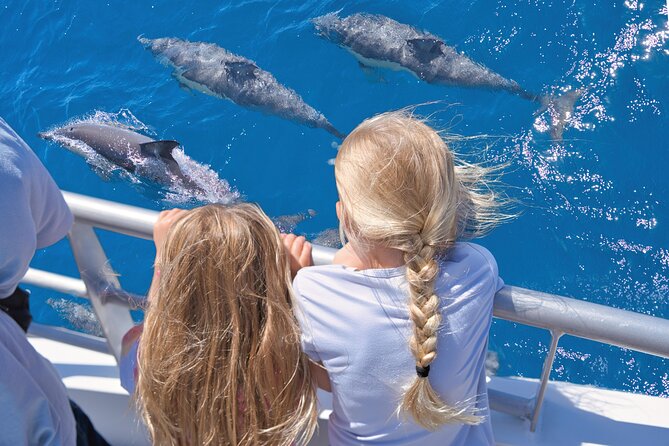
- Marine mammal viewing guarantee: come again for free if you don’t spot any marine mammals during your cruise
- Waiheke island stop choice: Rotoroa Island (walks and sandy beaches) or Man O’ War Vineyards (laid-back cellar door and restaurant)
- Purpose-built viewing: large picture windows and front/rear/roof decks for better sightlines
- Live commentary: stories about volcanic peaks, islands, coastline, and Ngāi Tai ki Tāmaki history tied to conservation
- No island stop on one departure: the 11:30am departure has no island stop
A 7-hour Hauraki Gulf wildlife hunt from the Auckland Viaduct
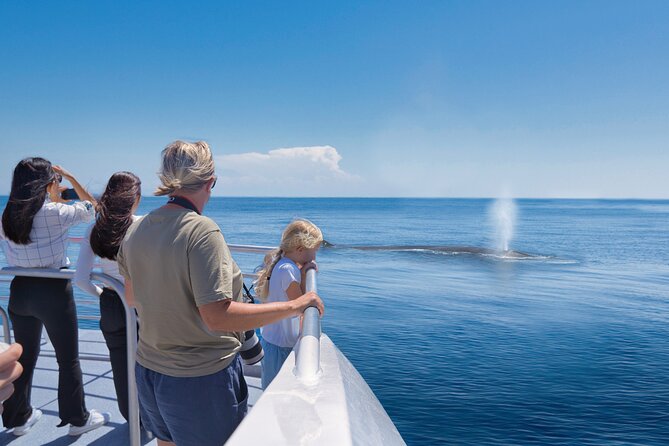
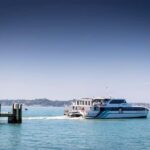
This is a full day on the water. Expect roughly 7 hours 45 minutes from start to finish, with the cruise departing from the Auckland Viaduct and returning to the same meeting point. The core idea is simple: the Hauraki Gulf Marine Park is where you go to look for marine life, and the boat is set up so you can actually see what you’re paying for.
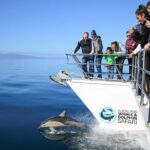
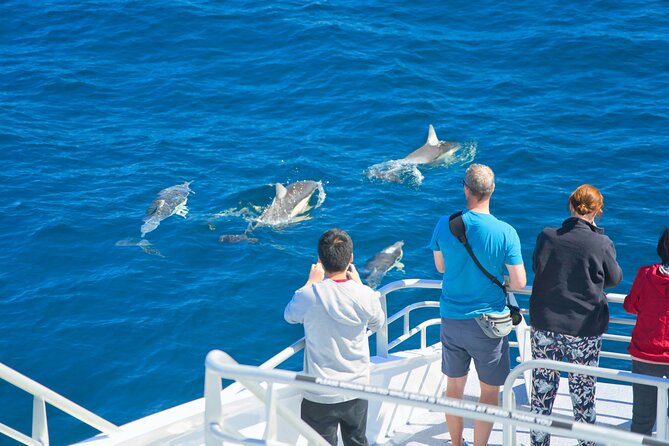
You’re not just riding from point A to point B. There’s dedicated marine mammal viewing time, and the crew actively works the area to give you real chances at spotting whales, dolphins, seals, and birdlife. With a max group size of 100 travelers, it still feels like a day trip where you can find a good viewing spot without turning into a packed sardine tour.
Price-wise, it costs $105.50 per person, which is not cheap—but for a cruise that includes live commentary, a wildlife-focused search, and a paid-for island experience on Waiheke, it pencils out as reasonable value. You’re effectively paying for three things: a guided wildlife cruise, a comfort-forward boat, and a land stop you’d otherwise plan separately.
You can also read our reviews of more boat tours in Auckland

What the marine mammal guarantee means for your expectations
The tour includes a marine mammal viewing guarantee: if you don’t spot any marine mammals during your cruise, you can come again for free. That matters because wildlife viewing isn’t controlled. Weather, sea conditions, and how the animals are moving can change everything in a single day.
Just keep your expectations realistic. The guarantee doesn’t promise dolphins or whales by name—it promises marine mammals. So if your personal checklist is whale-only, you’re taking a gamble with any wildlife tour. The smart move is to treat dolphins and seals as equally valid wins, and be open to the animals you actually meet that day.
Also, plan for the fact that some days will be slower. The boat is searching for wildlife, and sometimes the “search” part is a big chunk of the day. I’d rather be on a tour that gives you structured viewing time and a safety net than one that’s more of a scenic cruise with a vague promise attached.
Onboard comfort: viewing decks, picture windows, and cafe access
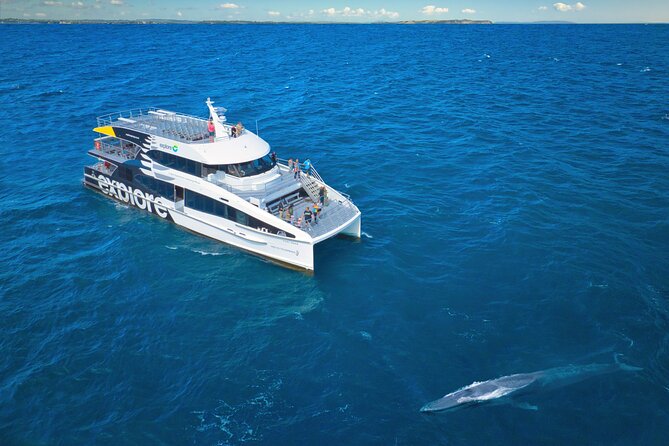
This cruise is designed around sightlines. You’ll have access to large picture windows plus expansive viewing decks at the front and rear, and even a deck area under the roof for when you want to stay comfortable. That layout matters on the water. Animals can surface unpredictably, and having multiple places to watch increases your odds of getting the moment you came for—without needing to be glued to one corner the whole time.
Inside, you’ll find comfortable seating and air-conditioned transport is included as part of the day (though hotel pickup and drop-off aren’t included). There’s also a licensed cafe onboard offering light refreshments, and if you want more, sandwiches, snacks, and drinks are available for purchase. So you can keep spending under control—or upgrade your day with food when you need it.
One practical tip: bring layers. Even in warmer months, the gulf can feel cooler on deck, and you’ll likely spend a chunk of time outside while you watch for blows, tail flukes, or dolphin activity.
Live commentary that connects wildlife to place and people

This isn’t silent sightseeing. You get live commentary that focuses on what you’re seeing and where you are—especially the volcanic peaks, many islands, and extended coastline of the Hauraki Gulf Marine Park. That kind of context makes wildlife spotting more satisfying. When you understand the bay and the conservation effort, you’re not just counting sightings—you’re learning why the habitat matters.
You also hear stories tied to the Ngāi Tai ki Tāmaki people and the origins and histories of the land and sea. If you like tours that explain more than just the “what,” this narration style should click with you.
Do note one balancing point: wildlife search days can involve long stretches of slow movement. Even with commentary, the tone may shift depending on what the crew is doing at the time. If your ideal experience is nonstop scenic talk, you might find the pace is more wildlife-driven than chatter-driven.
Rotoroa Island vs Man O’ War Vineyards on Waiheke

The island stop is one of the best parts because it breaks up the day. You’ll stop on Waiheke Island at either Rotoroa Island or Man O’ War Vineyards.
You can also read our reviews of more whale watching tours in Auckland
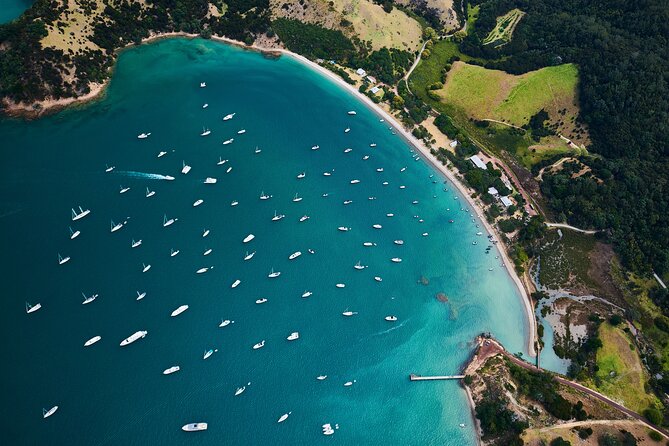
Rotoroa Island: walks and sandy beach time
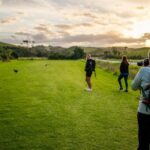
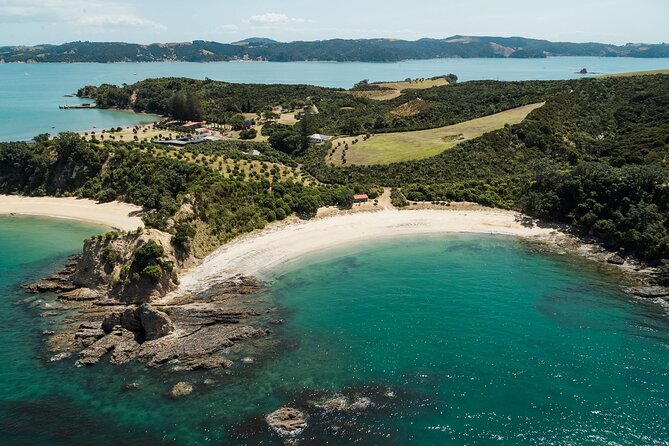
If your departure includes Rotoroa Island, you get a chance to explore 8 km of walks, with sheltered sandy beaches and native wildlife. This is the more active option. It suits you if you like moving around, taking photos from different angles, and trading boat deck time for a real walking loop.
The upside here is variety. You’ll go from marine viewing to land-based nature and then back to the sea. The drawback: bring footwear that can handle uneven ground, because island walking isn’t always like a flat city path.
Man O’ War Vineyards: relaxed beachfront and a cellar door stop
If the tour chooses Man O’ War Vineyards, it’s a more laid-back break. You can enjoy a relaxed beachfront cellar door and restaurant experience. This is a good fit if you’d rather sit, snack, and enjoy views than commit to a longer walk.
Even if you don’t plan to buy wine, being able to slow down and eat on the waterfront can turn the day from “mostly hunting” into something more balanced.
Island stop timing quirks by departure time
There’s a schedule detail worth knowing. On the 11:30am departure, there is no island stop. Also, the time on the island varies with the summer schedule:
- Some departures include an afternoon stop of about 1–1.5 hours
- Some include a morning stop of about 2 hours
So if an island walk or winery time is a big deal for you, pick your departure time carefully.
How the day flows: from search to island break and back again
Even though wildlife tours vary day to day, the structure is consistent. You cruise through the Hauraki Gulf looking for marine mammals, then you switch gears for the island portion on Waiheke, and you return afterward.
What makes this structure work is the mental pacing. Wildlife viewing tends to be “wait, watch, react.” If you try to do that for hours with no break, it can start feeling repetitive. The island stop gives you a reset—food smells, different terrain, and enough time to breathe before you’re back scanning the water again.
Also, because the viewing is done from multiple decks, you’re not locked into one view. That flexibility helps when wildlife behavior changes quickly.
Wildlife-spotting tips that actually help on this cruise
You’re going to spot more when you do three things: position yourself well, stay patient, and watch for more than one type of sign.
- Pick your spot early. The best viewing can be a moveable feast. Start on a deck area where you have a clear view forward and also across the side.
- Look for patterns, not just animals. Birds often react to what’s happening below the surface. Seals can also show you where the action is.
- Don’t lock onto one species. Whales and dolphins are not always predictable. If you see dolphins and seals, treat it as a full win, not a consolation prize.
A good cruise will also spend more time with sightings once they find something. That “stay with it” approach is part of what you’re paying for.
Food and costs: plan for onboard purchases
What you should know upfront: lunch isn’t included. Sandwiches, snacks, and drinks are available to purchase onboard, and the cafe offers light refreshments.
So build a small budget for food. I like to think of the cruise price as covering the boat, narration, viewing, and island stop—and you top up your day with snacks or a meal on the water. If you’re the type who usually brings a bag lunch, you’ll still want to confirm what’s allowed, since the only fact stated is that purchases are available onboard.
Who should book this cruise, and who should reconsider
This tour fits best if you want a balanced day: wildlife viewing plus a real island experience.
You’ll likely be happiest if:
- You’re excited by marine mammals in the wild, and you can enjoy dolphins or seals as well as whales
- You like guided context, especially the connection between conservation and local stories
- You want a day that includes time on land, not just sea time
You might reconsider if:
- You’re chasing whale sightings only and would be disappointed without them
- You prefer a highly predictable, never-changing schedule (wildlife days can be fluid)
- You get seasick easily, because the core activity is on the water (the tour doesn’t mention stability or mitigation—so if this is you, plan carefully)
Should you book Tikapa Moana Dolphin, Whale and Island Cruise?
For most people who are spending time in Auckland and want an authentic nature day—not a sterile “see the animals, check the box” outing—this is a strong booking. The biggest reasons are practical: purpose-built viewing, live commentary, and the marine mammal viewing guarantee that protects you from an empty day.
Book it if you can embrace the wildlife gamble and you’ll enjoy the Waiheke break—either the walks at Rotoroa Island or the relaxed vineyards-and-restaurant time at Man O’ War. If your schedule is tight, pay attention to departure time, because the 11:30am option skips the island stop.
If you want a smoother decision: choose the departure that matches your island preference, bring layers for deck time, and mentally score the day by variety—marine mammals plus an actual taste of Waiheke.
FAQ
How long is the Auckland Tikapa Moana Dolphin, Whale and Island Cruise?
It runs for approximately 7 hours 45 minutes.
Where do I start and where does the tour end?
You meet at the Explore Group AucklandExplore Booking Kiosk, Quay Street, Auckland Central (1010) and the tour ends back at the same meeting point.
How much does the tour cost?
The price is $105.50 per person.
Is an island stop included?
Yes. You’ll stop at Rotoroa Island or Man O’ War Vineyards on Waiheke Island, with no island stop on the 11:30am departure.
How long do I get on the island?
During the summer schedule, an afternoon stop is about 1–1.5 hours, and a morning stop is about 2 hours. (Exact timing depends on the departure day/time.)
What marine life might I see?
The cruise aims to spot whales, dolphins, seals, and birdlife, among other marine animals, in the Hauraki Gulf Marine Park.
Is there a guarantee if I see no marine mammals?
Yes. There’s a marine mammal viewing guarantee. If no marine mammals are spotted during your cruise, you can come again for free.
What’s included in the price?
Included items are air-conditioned vehicle, the island stop, dedicated marine mammal viewing time, and live commentary.
What food and drinks are available?
Lunch and snacks are not included, but sandwiches, snacks, and drinks can be purchased onboard. There’s also a licensed cafe with light refreshments.
Does the tour require good weather?
Yes. The experience requires good weather. If it’s canceled due to poor weather, you’ll be offered a different date or a full refund.
Can I get a refund if I cancel?
Yes. There’s free cancellation up to 24 hours in advance for a full refund, based on local time.