REVIEW · CRUISES & BOAT TOURS
Auckland: Whale and Dolphin Watching Half-Day Eco Cruise
Book on GetYourGuide →Operated by Auckland Whale & Dolphin Safari · Bookable on GetYourGuide
Auckland’s sea-bird show starts right off the dock. This half-day eco cruise on the 65-foot “Dolphin Explorer” aims for orcas and bottlenose dolphins around the Hauraki Gulf Marine Park, with expert onboard commentary and the kind of close viewing that makes you feel like you’re in the action. I especially like the chance at real up-close wildlife encounters, and I like that the experience is tied to marine research and conservation, not just sightseeing.
You’re also treated to big city-to-ocean scenery as you leave: Rangitoto Island appears early, and the cruise passes landmarks like North Head/Devonport before you ever start scanning the water. The main drawback to plan around is simple: weather matters. You’ll be on open water, you’ll need warm layers, and sea sickness can hit if you’re sensitive.
A smart safety net is built in: if you don’t see any marine mammals, you can go again for free. That doesn’t guarantee whales, but it does make the experience feel less like a gamble.
In This Review
- Quick hits before you sail
- The Dolphin Explorer catamaran: comfort, access, and what it means on the water
- Leaving Auckland: Eastern Viaduct Marina to Rangitoto Island views
- Hauraki Gulf Marine Park: what you’re really hunting for
- Orca and dolphin viewing: how the crew improves your chances ethically
- Whales and the “second cruise” safety net
- The onboard science angle: research, plankton, and why it feels different
- What it feels like: timing, waves, and smart packing
- Food and drinks onboard: keep it simple, keep moving
- Who should book this eco cruise from Auckland
- Price and value: what $130 buys you (and what it might not)
- Should you book it?
- FAQ
- What species does the cruise aim to see?
- How long is the eco cruise?
- Where do I meet the boat in Auckland?
- What happens if I don’t see any marine mammals?
- Is food and drinks included?
- What should I bring or wear for the cruise?
- Are there restrictions on who can join?
Quick hits before you sail
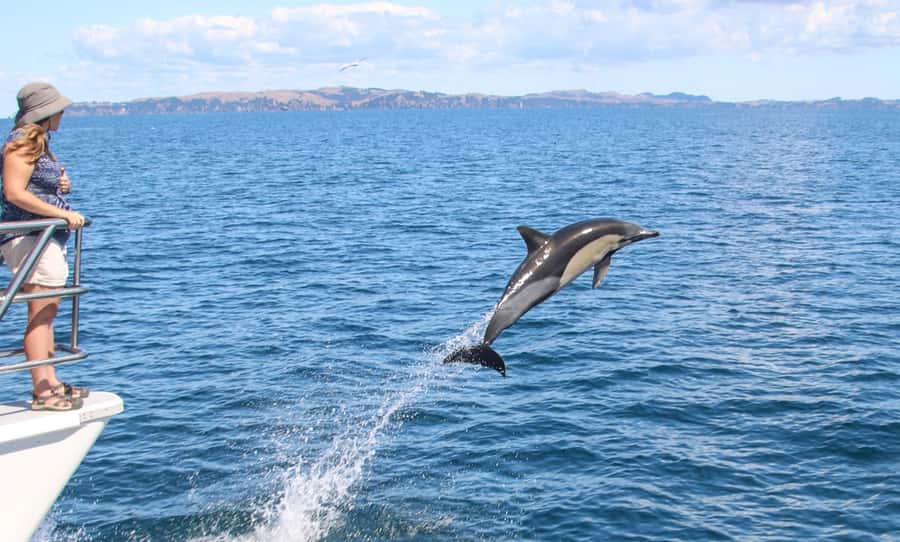
- 65-foot luxury catamaran gives you stable, comfortable wildlife viewing from the water
- Onboard science + expert explanations from the skipper and marine research team
- Big views early with Rangitoto Island and the Hauraki Gulf getting your attention fast
- Better animal access than many tours with the boat able to get closer than typical whale-watching setups
- Free second cruise if you don’t spot any marine mammals
- Conservation support through the Hauraki Gulf Guardians fund (a dollar from every ticket)
The Dolphin Explorer catamaran: comfort, access, and what it means on the water
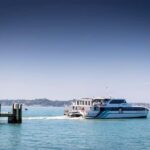
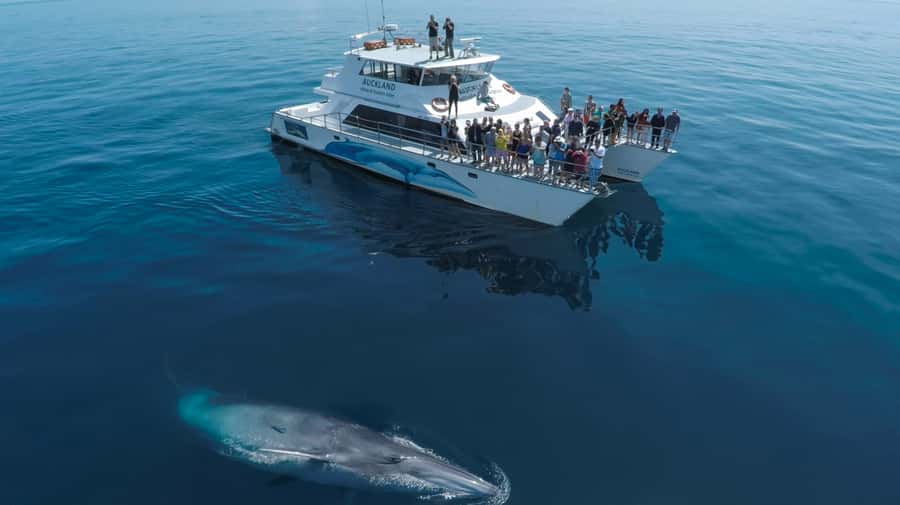
This is a 4.5-hour eco-cruise (270 minutes) aboard the 65-foot “Dolphin Explorer”, a luxury catamaran that’s designed for viewing. In plain terms, a catamaran tends to feel steadier than smaller boats, and the size helps with space so you’re not constantly craning your neck or waiting behind strangers.
That matters for wildlife watching, because the best moments are short. When dolphins change direction, or when a whale surfaces in a pattern, you want a clear line of sight and time to watch without crowd chaos. From the way the crew runs the viewing, you’ll get prompted to look, but you’re not being rushed.
There’s one important access consideration: the vessel is not wheelchair accessible due to stairs and narrow doorways. If you need step-free access, this isn’t the trip for you.
You can also read our reviews of more boat tours in Auckland

Leaving Auckland: Eastern Viaduct Marina to Rangitoto Island views
Your cruise starts in central Auckland at Berth 9, Eastern Viaduct Marina, accessed from the end of Quay Street heading west. It’s opposite the Maritime Museum, and you check in by joining the crew at the top of the boarding ramp.
Check-in closes 15 minutes before departure, so I’d plan to arrive early rather than sprint. The early timing helps because departures from downtown marinas can get busy, and you’ll want time to grab a spot and get your gear ready.
Once you’re underway, you get the best kind of “warm-up”: the city is behind you, and the coastline is rolling past. You’ll pass impressive areas like North Head/Devonport and you’ll see Rangitoto Island, which anchors the view for a long stretch. This is more than pretty scenery. It also helps you orient yourself in Auckland’s marine zone so when the crew starts talking about where animals are most likely to show up, you’ll understand the geography.
Hauraki Gulf Marine Park: what you’re really hunting for
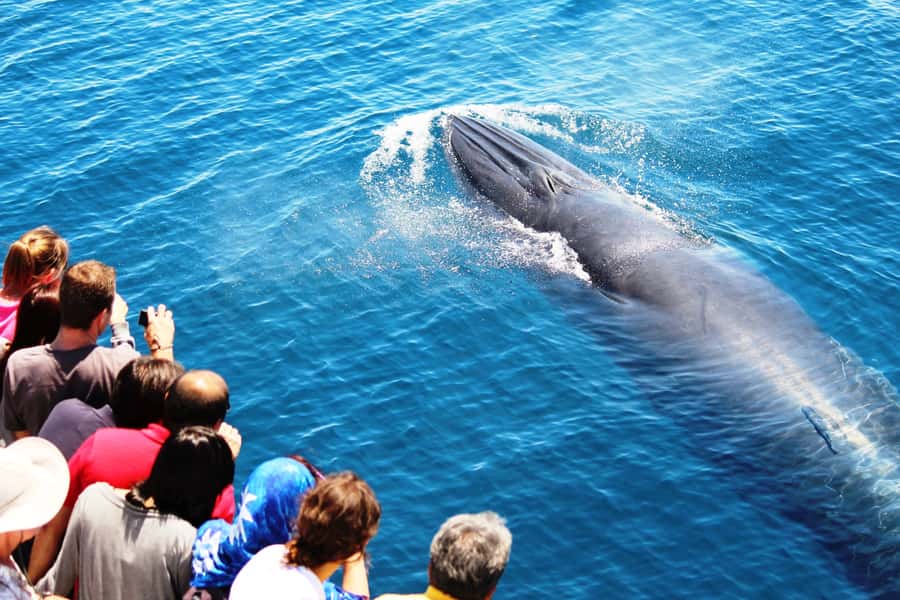
The Hauraki Gulf Marine Park is the heart of the trip, and it’s why this works even when the weather isn’t perfect. The cruise focuses on marine mammal sightings, especially orcas and bottlenose dolphins, which regularly visit waters close to the city.
You should also expect sea birds to be part of the show. In the Gulf, birds often reveal where food is moving, so they’re more than a background detail. People often spot gannets and other diving birds, and you may also see smaller surprises like penguins in the broader bird picture, depending on the day and conditions.
Wildlife watching always has an odds component. The Gulf is big, animals move, and wind changes visibility. Still, this operation is built to find. The boat can get closer than many whale-watching operations elsewhere, which increases the odds you’ll actually see the behavior, not just the faint shape.
Orca and dolphin viewing: how the crew improves your chances ethically
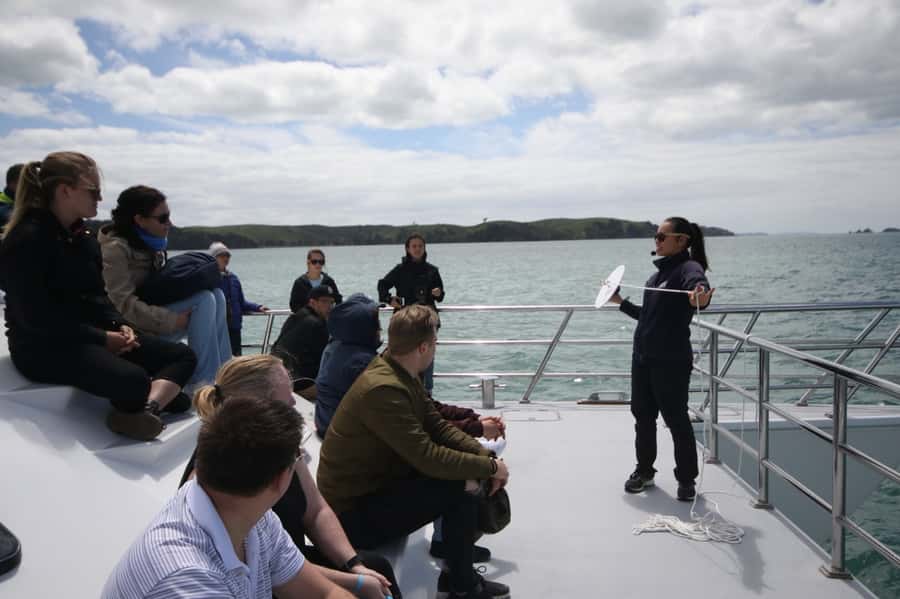
When you’re on the water looking for animals, you’re really relying on two things: the animals’ timing and the crew’s ability to read the environment. This cruise is run with that in mind. The skipper and onboard team provide expert commentary, and they interact with marine research staff as the trip goes on.
One of the most helpful parts is how they frame animal sightings as behavior, not luck. You’re likely to hear explanations tied to how marine mammals are tracked and why certain sightings happen where they do. For example, people have described the crew explaining patterns that help them find animals, including the idea that animals create visible “workups” or telltale signs where you can look.
There’s also a strong ethics angle. The repeated theme from onboard accounts is that the crew maintains distance and approaches sightings with care. That’s not just a moral checklist. It also tends to lead to longer, calmer viewing—so you spend more time watching and less time worrying the animals are being pushed around.
If you’re hoping for orcas specifically, manage expectations realistically. The trip is designed for the species that visit the area, but the Gulf doesn’t promise a guaranteed animal. What it does promise is that you’re not stuck: if marine mammal sightings don’t happen, you can take the cruise again for free.
Whales and the “second cruise” safety net
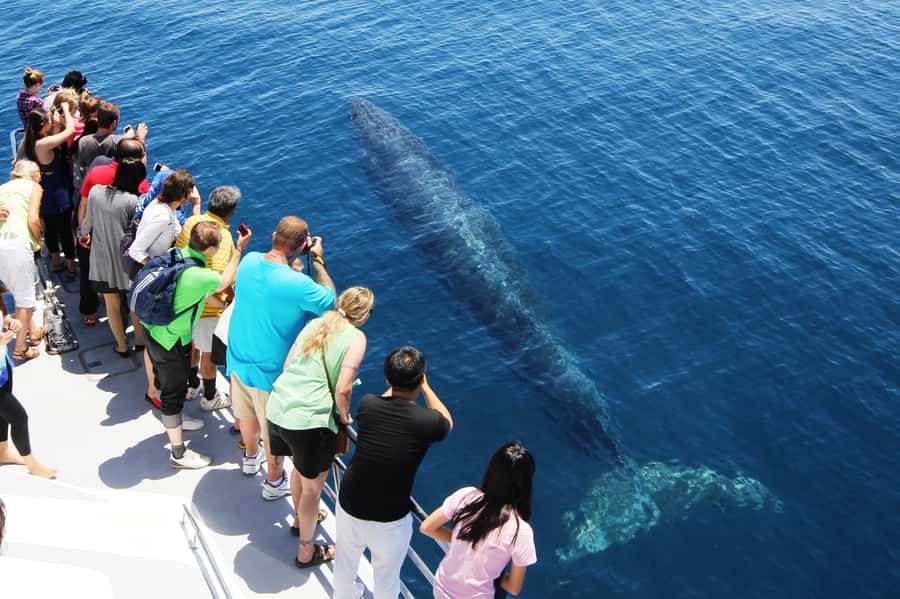
Whales are part of the target picture, and people do see them—sometimes in the distance, sometimes closer depending on the day. The key point is the free second cruise if you don’t see any marine mammals. That changes the emotional math of booking.
Instead of thinking in terms of a one-time gamble, you can treat it as a two-chance plan. That’s especially valuable if you’re short on Auckland time and need a single, efficient activity that still gives you real odds of success.
This also plays well with the realities of weather. If the operator cancels due to wind, weather, or sea conditions, you’ll want to be flexible and ready for schedule changes.
You can also read our reviews of more whale watching tours in Auckland
The onboard science angle: research, plankton, and why it feels different
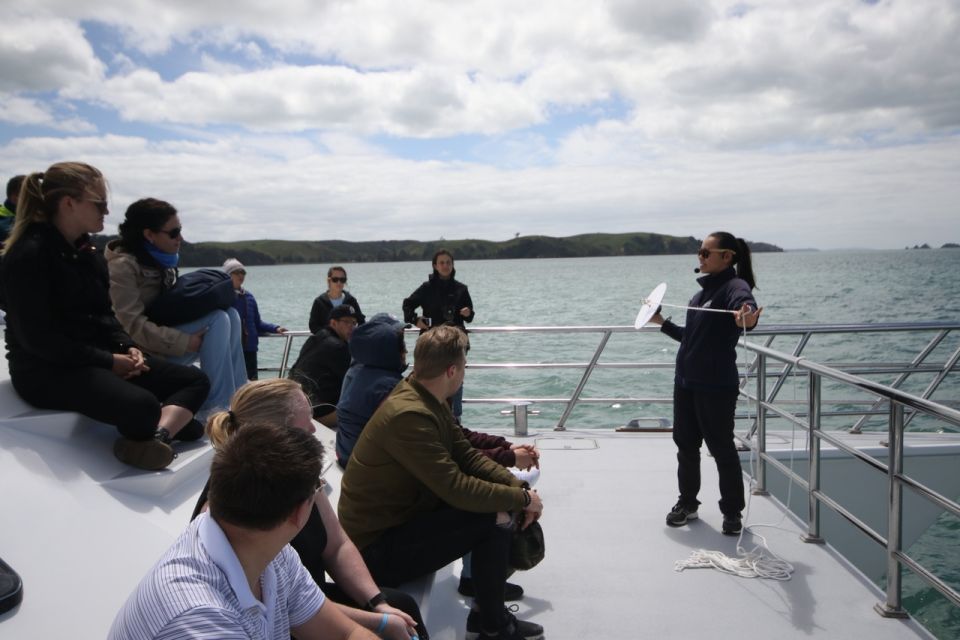
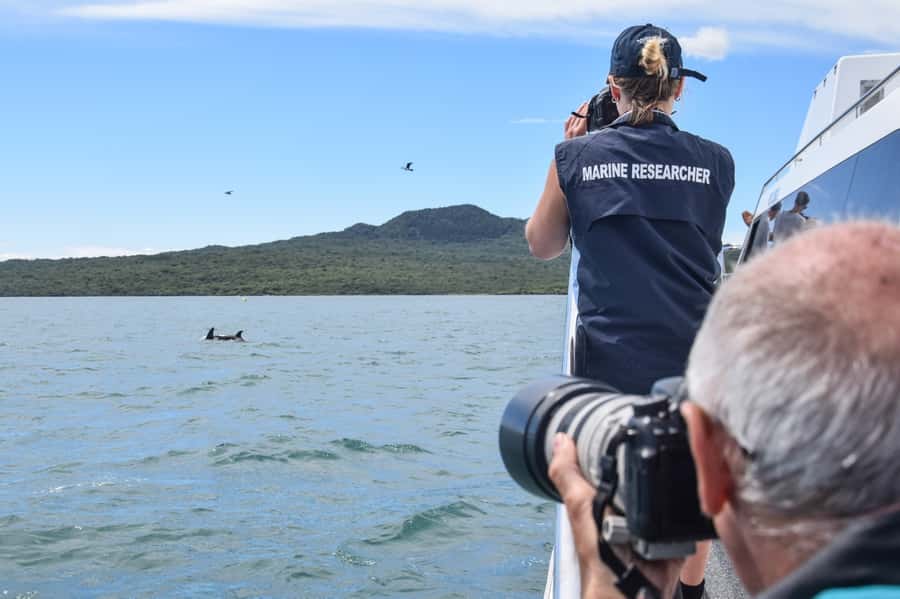
This isn’t only a “spot animals and clap” kind of cruise. The vibe is more like a floating marine lesson, with real research woven into the day. People have talked about seeing the crew carry out science work during the trip, including collecting samples and focusing on things like plankton research.
That matters because it gives you a framework for what you’re seeing. When you understand how food webs work—plankton to baitfish to birds to whales—you stop treating each sighting as a random event. Instead, the Gulf starts to feel like a living system with logic.
Another standout is interaction: the ship’s crew and marine research scientists share commentary as you go. Names that show up in onboard accounts include Emily, Sanaa, John, Joseph, Toni, George, Brittany, Jo, and Jess. Not everyone will have the exact same team on your departure, but you can expect the experience to be run by people who genuinely care about the sea and can explain it clearly.
What it feels like: timing, waves, and smart packing
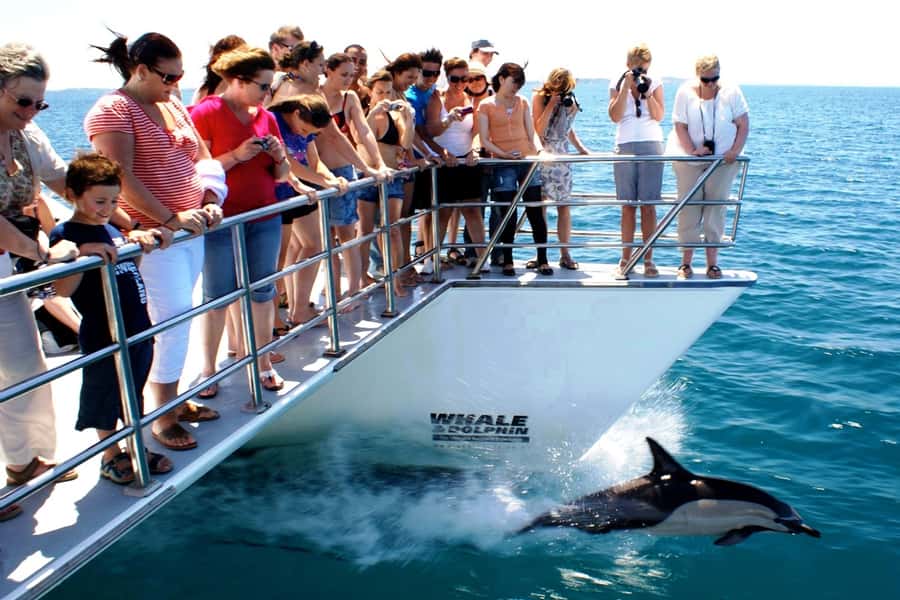
You’re out for about 270 minutes, which is just enough time to leave the marina, scan the Gulf zone, and still return without turning the day into a full slog. The schedule is also tight enough that you should treat the trip like an appointment: arrive early, get your seat, and keep your camera and binoculars reachable.
Weather is the main factor that can change how the trip feels. You should plan for a range of conditions, including wind and spray. The crew specifically recommends warm clothes, a showerproof jacket, a sun hat, sunscreen, and a camera and binoculars. If you’re prone to motion sickness, take sea-sickness medication before the trip, not after.
One more packing idea that helps: bring your medication (if required) and keep it dry. Open-water days can be damp even when the sky looks decent.
Food and drinks onboard: keep it simple, keep moving
Food and drinks are not included, but there are snacks, hot food, and drinks available to purchase on board. Beer and wine are also listed as available.
With a wildlife-focused cruise, I treat onboard meals like a supplement rather than a plan. You’ll likely spend more time watching than eating, so keep your expectations realistic: grab something warm or a snack if you want it, then return to scanning.
Who should book this eco cruise from Auckland
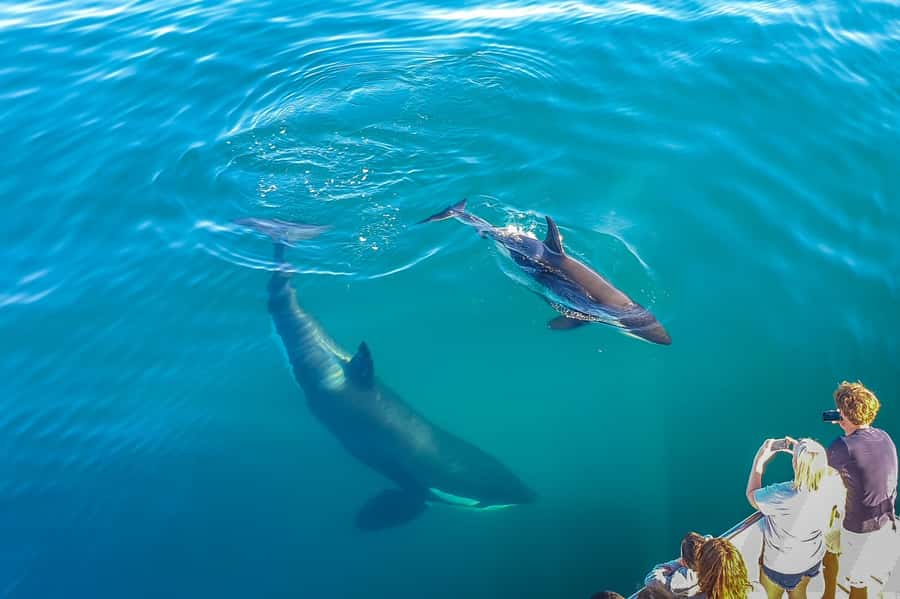
This one fits best if you want three things in one package: wildlife viewing, big water views from the city, and science-based commentary. It’s a great match for couples, solo travelers, and groups who like learning while they look.
It’s also a strong choice if you have limited time in Auckland and you want to turn that time into an experience in the water, not another museum stop. The location is convenient, the cruise is only half a day, and it includes a second chance if marine mammals don’t show.
There are also clear limits. Unaccompanied minors aren’t allowed, and it isn’t suitable for heavily pregnant women. Children under 5 are permitted only if closely supervised by a parent or guardian. And since it isn’t wheelchair accessible, you’ll want a different option if mobility support is needed.
Price and value: what $130 buys you (and what it might not)
At $130 per person, this isn’t the cheapest way to see dolphins and whales from Auckland. So here’s how I’d judge the value.
You’re paying for:
- a luxury 65-foot catamaran experience,
- expert onboard guidance and research interaction,
- the ability to get closer than many other whale-watching setups,
- and the free second cruise if marine mammals don’t appear.
If your trip would be “one shot,” the price would be easier to question. But the second cruise policy meaningfully reduces the risk. Add in the conservation funding model—a dollar from every ticket goes to the Hauraki Gulf Guardians fund—and it feels like you’re paying for a day that has a purpose beyond the photo.
The main “value caution” is weather. If seas are rough, you might not get the same clarity or viewing time you’d hope for, and you still need to dress for the elements. One cost complaint shows up in the feedback, but that’s often personal math based on what people saw that day.
Tenerife Explorer's reviews covers Whale Watching from the Tenerife side.
Should you book it?
I’d book this eco cruise if you’re excited by real wildlife viewing around Auckland and you prefer a tour run with care and science, not just hype. The combination of close viewing potential, onboard expert explanation, Rangitoto-and-coast views, and the free second cruise makes it a strong use of half a day.
Skip it only if you can’t handle open-water conditions, you need step-free access, or if your group includes someone who doesn’t meet the age rules or pregnancy suitability note.
If you’re flexible with weather and you’re willing to dress warm, this is one of the most “Auckland-from-the-water” experiences you can fit into a short itinerary.
FAQ
What species does the cruise aim to see?
The cruise targets marine mammal sightings, with a focus on orcas and bottlenose dolphins in the waters of the Hauraki Gulf Marine Park. Whales are also part of the broader wildlife search.
How long is the eco cruise?
The activity duration is 270 minutes, about 4.5 hours.
Where do I meet the boat in Auckland?
You’ll find the boat at Berth 9, Eastern Viaduct Marina, accessed from the end of Quay Street heading west. It’s opposite the Maritime Museum.
What happens if I don’t see any marine mammals?
If you don’t see any marine mammals, you can take the cruise again for free.
Is food and drinks included?
No. Food and drinks are available to purchase onboard, including snacks, hot food, and drinks. Beer and wine are also available.
What should I bring or wear for the cruise?
Wear warm clothes and bring a showerproof jacket, sun hat, and sunscreen. It’s also recommended to bring a camera and binoculars, any personal medication you need, and sea-sickness medication taken prior to the trip. A showerproof layer is key.
Are there restrictions on who can join?
Unaccompanied minors aren’t allowed. The trip isn’t suitable for heavily pregnant women. Children under 5 may only join if closely supervised by a parent or guardian.