REVIEW · AUCKLAND
Guided Tour at Pukorokoro Shorebird Centre
Book on Viator →Operated by Pukorokoro Miranda Shorebird Centre · Bookable on Viator
Tides run the show here. On this 1.5-hour Shorebird Coast walk at Pukorokoro Miranda Shorebird Centre, you get a front-row seat to an estuary that’s teeming with birds, plus telescope viewing that makes distant specks turn into recognizable shorebirds.
My favorite part is how hands-on the experience feels: you’re not just looking at mud and reeds, you’re actually using the bird hides and optics to see thousands of shorebirds where they live. You’ll also get a solid explanation of the ecosystem and the geology shaping this sanctuary, so the viewing sticks in your brain.
One thing to consider: the walk is not ideal if you have very limited mobility, and the tour is weather-dependent—good conditions matter because you want the birds in view.
In This Review
- Key highlights
- Shorebird Coast at Pukorokoro: what you’re really looking at
- Price and time: a $31.03, 90-minute value play
- Robert Findlay Wildlife Reserve: the walk, the hides, and the bird spotting
- What to expect during the reserve walk
- A realistic downside
- Telescope time: how the guide makes distant birds feel readable
- Kuaka migration: seeing the big journey behind small moments
- Conservation support: your ticket helps the mission
- What to bring (and how to set yourself up for better viewing)
- Extending your trip: comfortable stays at the centre
- Who this tour is best for (and who should skip it)
- Should you book Pukorokoro’s Shorebird Coast guided tour?
- FAQ
- How long is the Guided Tour at Pukorokoro Shorebird Centre?
- What is the price per person?
- What’s included in the tour price?
- What should I bring or plan for?
- Is the tour good for people with mobility limitations?
- Is it private, or will I be mixed with other groups?
- What happens if the weather is poor?
Key highlights
- Telescope viewing for thousands of shorebirds from bird hides, without crowding them
- Tide-timed timing so the birds are where you need them to be
- Estuary and geology context that explains why this wetland works so well
- Kuaka migration explained clearly, plus the pressures these birds face
- Conservation-focused experience supported through the centre’s work
Shorebird Coast at Pukorokoro: what you’re really looking at
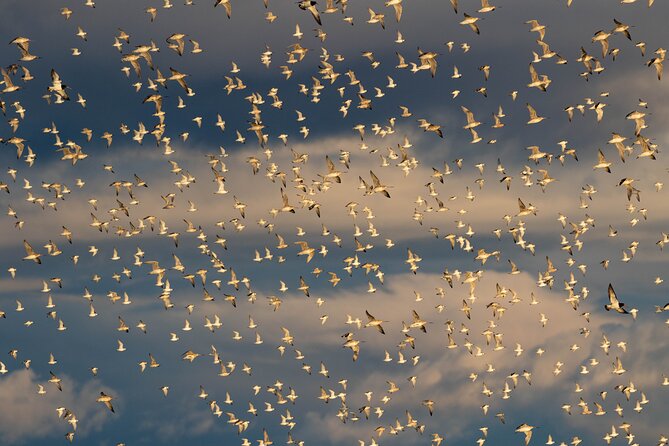
This is the kind of Auckland nature experience that doesn’t feel like a generic “look for birds” outing. You’re on the Shorebird Coast, and your guide frames the place as more than scenery. The estuary ecosystem is the star—how the mudflats, sheltered waters, and food sources come together to support shorebirds year-round.
A big reason this works is that the environment does the heavy lifting for wildlife. In an estuary, food availability and shelter shift with the tides. So instead of searching for birds, you’re essentially watching the wetland’s schedule play out in real time.
And because it’s at Pukorokoro Miranda Shorebird Centre, you get the conservation lens too. This isn’t just about ticking species off a list. It’s about understanding what allows shorebirds to survive here—and what makes their lives tricky.
You can also read our reviews of more guided tours in Auckland
Price and time: a $31.03, 90-minute value play
At about $31.03 per person, this guided tour is short, focused, and easy to fit into a day. You’re paying for time with a guide, access to telescopes, and a guided walk around Robert Findlay Wildlife Reserve. For bird-focused experiences in New Zealand, that pricing is refreshing.
You should think of this as “high viewing per minute,” not a long hike. You’ll spend your time where the birds are most likely to be visible and where the guide can help you interpret what you’re seeing—especially when birds are far away.
The tour runs for about 1 hour 30 minutes (approx.), and it’s designed around conditions outside your control. That includes tide timing and weather. If conditions align, you’ll feel like you’re getting way more than the clock says.
Robert Findlay Wildlife Reserve: the walk, the hides, and the bird spotting
Stop 1 is Robert Findlay Wildlife Reserve, and it’s where the magic happens. You’ll walk around the reserve and go into the bird hides to watch shorebirds up close—at least in bird-vision terms.
Here’s what that means for you in practical terms. Bird hides are built for viewing without constant movement and noise. In other words, they help you see birds without trying to “out-stare” them in open space. When you add telescopes into the mix, you’re no longer hoping. You’re actually set up to identify and count.
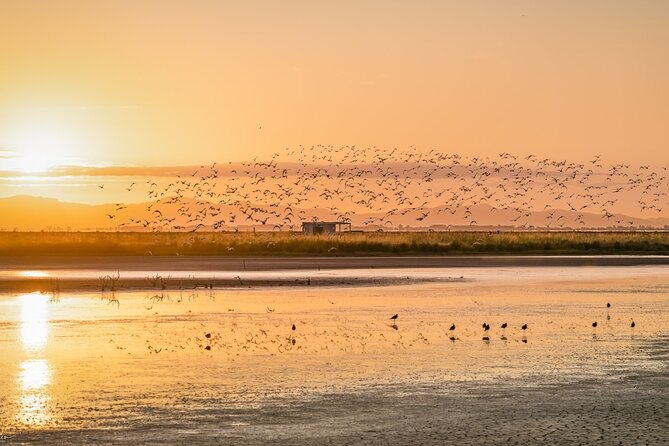
This reserve is known for huge numbers of shorebirds, and the viewing can be impressive in scale. One of the best parts is that the guide doesn’t treat it like a guessing game. They’ll help you understand what’s in front of you—so you can go from seeing a line of birds to understanding what species you’re likely looking at.
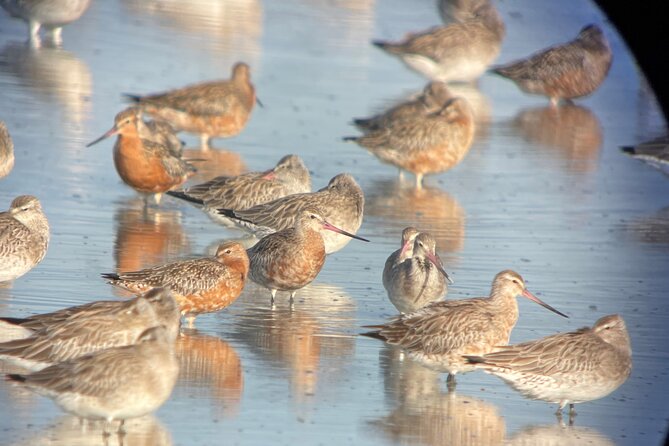
The species you may encounter includes the kind of birds that show up in real shorebird identification conversations. In particular, you’ll hear about birds like godwits (including bar-tailed godwits) and other migrators such as redknots. If you’ve ever stared at shorebirds and thought, Wry-billed or godwit, this kind of guided help is exactly the point.
A small but smart tip: if you have binoculars, bring them. The tour provides telescopes, but your own binoculars help you keep your bearings between stops and share what you notice quickly.
What to expect during the reserve walk
- You’ll do a guided walk around the reserve with admission included
- You’ll visit bird hides for telescope-assisted viewing
- The guide will point out what matters in the ecosystem—then connect it to what you’re seeing
A realistic downside
You’re outdoors, and you’re dealing with weather. If the conditions are poor, your plans may change. Also, since the experience isn’t recommended for very limited mobility, it’s worth taking a careful look at your own comfort with walking outdoors.

Telescope time: how the guide makes distant birds feel readable
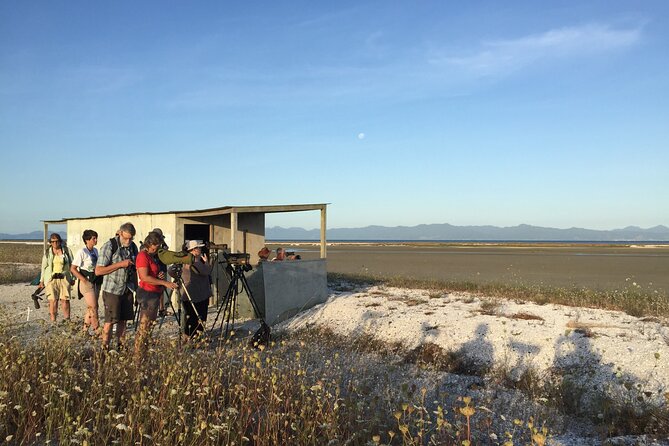
A telescope can feel like a gimmick if you’ve never used one for wildlife viewing. Here, it works because the guide helps you use it in a useful way. You don’t just point and hope. You learn how to focus your attention—then the birds come into view as individuals, not just dots.
This is where the guide’s teaching really matters. A strong shorebird guide explains what you’re looking at: size cues, movement patterns, and what to watch for in the birds’ behavior. It turns a good outing into an “I get it now” outing.
In reviews, guides are praised for being friendly, passionate, and responsive to questions—whether that’s about identifying species or understanding why specific birds show up when they do. Names that come up include Trudy and Chelsea, and the common thread is the same: they help you connect what’s in the telescope to real shorebird life.
You’ll also likely learn why the birds are concentrated where you’re standing. That might sound obvious, but it’s not. Shorebirds aren’t random. They’re following food, shelter, and tide timing. When you understand that, your sightings feel less like luck.
Kuaka migration: seeing the big journey behind small moments
If you do shorebird watching in New Zealand, migration stops being an abstract concept fast. On this tour, you’ll learn about the incredible migration of the kuaka (a bar-tailed godwit is the kuaka people commonly refer to). The key value isn’t just that the migration is long. It’s how the guide connects migration to what you see in front of you during the wetland visit.
You’ll also hear about the challenges these birds face. Even if you only remember two ideas, you’ll leave with a better sense of why conservation matters here. The wetland is a hub, but it’s also a stop in a wider story—one where conditions elsewhere, timing, and survival pressures can shape whether thousands of birds arrive when we expect them.
That’s also why this tour feels educational without being heavy. The teaching is tied to real sightings. You’re not doing bird trivia for trivia’s sake.
Conservation support: your ticket helps the mission
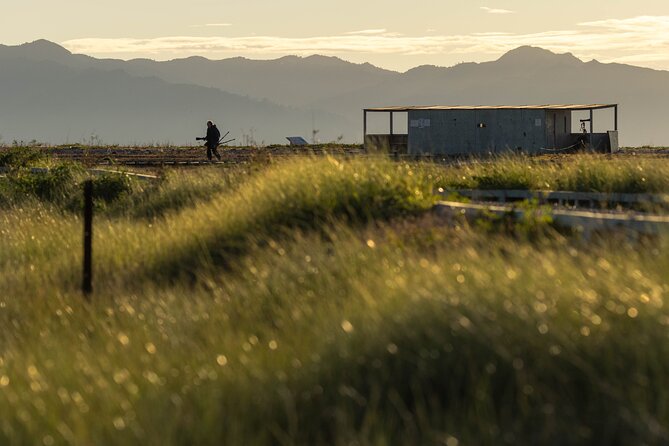
Part of the appeal of Pukorokoro Miranda Shorebird Centre is that your visit supports an organization committed to conservation. You’re not just consuming an experience; you’re backing the work that protects shorebird habitat and helps keep these wetland ecosystems functioning.
Think of it this way: shorebird watching is only possible if habitat stays healthy. And habitat doesn’t protect itself. Centres like this exist so people can see the birds and understand what’s at stake—then turn attention into support.
If you’re someone who wants nature travel to come with meaning (without getting preachy), this is a good match. The tone is practical. You see what’s worth protecting, then you learn why.
What to bring (and how to set yourself up for better viewing)
This tour includes telescopes and a guided walking tour. But for a smoother experience, bring the basics that let you enjoy the hides and walk without stress.
Bring:
- Good walking shoes (you’re moving around a reserve and spending time outdoors)
- Your binoculars if you have them (telescopes are provided)
- A refillable water bottle (you can refill at the centre)
- A layer for wind and changing coastal weather
Skip:
- Bottled water, unless you prefer it. You can refill bottles at the Centre.
- Too many extras. It’s a focused 90-minute outing, and the main value is the viewing and guide-led interpretation.
If you like taking photos, you’ll probably get better results by planning for short bursts of time at the hide windows. Moving constantly through a hide usually doesn’t help anyone—including you.
Extending your trip: comfortable stays at the centre
The centre also offers comfortable accommodation for overnight stays. That matters because shorebird viewing often improves when you can adjust to conditions and timing. If you’re the kind of traveler who likes to return to a place more than once, staying nearby can make your bird watching more consistent.
You don’t need multi-day plans to enjoy the guided tour, but it’s a nice option if you want more than one shot at the birds and the tide-driven rhythm of the estuary.
Who this tour is best for (and who should skip it)
This guided walk is ideal if you want:
- A guided introduction to shorebirds and wetland ecology
- Telescope-assisted viewing rather than plain spotting
- A short, structured experience with time-efficient learning
You’ll also enjoy it if you’re into conservation-minded travel and want your ticket to support habitat protection.
Skip it (or choose carefully) if:
- You have very limited mobility and can’t comfortably manage the outdoor walk and reserve movement
- You dislike waiting for nature conditions. Since it depends on good weather and tide timing, it’s not a strict “show starts at noon no matter what” setup.
That said, this is still among the most approachable wildlife tours in the Auckland area because the duration is manageable and the guide handles the complicated parts.
Should you book Pukorokoro’s Shorebird Coast guided tour?
Yes, if you want a compact, high-value nature experience with real teaching and real viewing. The combination of bird hides, telescopes, and tide-aware timing makes this more productive than most casual birdwatching.
Book it especially if you care about learning. The guide helps with identification and explains what you’re seeing in the context of the estuary ecosystem and the migration story behind birds like the kuaka.
I’d also book it if you’re traveling with someone who gets bored in long hikes. This is still active enough to feel like you went somewhere, but it stays focused on the birds.
And if your schedule is flexible and the weather looks cooperative, you’re likely to have one of those “wow, look at all of them” moments—followed by the even better feeling of understanding what you’re looking at.
FAQ
How long is the Guided Tour at Pukorokoro Shorebird Centre?
It runs for about 1 hour 30 minutes.
What is the price per person?
The price is $31.03 per person.
What’s included in the tour price?
You get admission to Robert Findlay Wildlife Reserve, a guided walking tour, and use of telescopes.
What should I bring or plan for?
Bring comfortable clothing for outdoor weather, and a refillable water bottle (you can refill at the Centre). Snacks aren’t included, but you can be pointed to local eateries.
Is the tour good for people with mobility limitations?
It’s not recommended for travelers with very limited mobility.
Is it private, or will I be mixed with other groups?
It’s a private tour/activity, and only your group participates.
What happens if the weather is poor?
The experience requires good weather. If it’s cancelled due to poor weather, you’ll be offered a different date or a full refund.