REVIEW · CANOES & KAYAKS
Browns Island Motukorea Sea Kayak Tour
Book on Viator →Operated by Social Nature Movement · Bookable on Viator
Motukorea feels like a history lesson on water. I like the Hauraki Gulf views and the chance to spot tūī, pūkeko, and silvereye while your guide ties it all to Māori life on the island and the 1909 Barnard flight trials. The paddle can be tougher than it looks for brand-new sea kayakers, so come ready to listen, learn, and match your group’s pace.
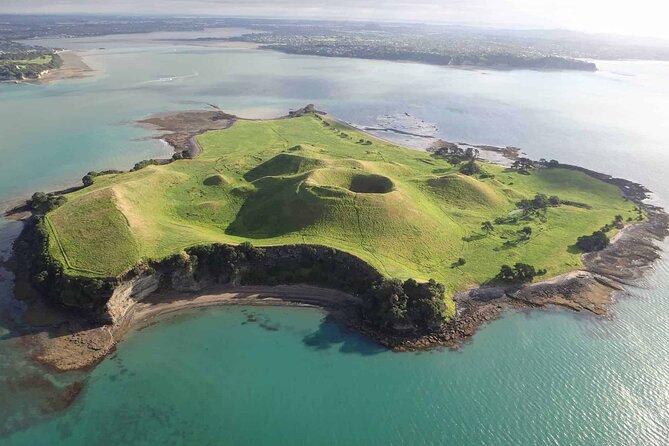
This is a small-group outing (up to 16 people) with a clear plan and enough time ashore to make it feel more than just a photo stop. You’ll also get a strong geology-and-wildlife angle: Browns Island is a volcanic cone from an eruption around 25,000 years ago, now a wildlife sanctuary in the active Auckland Volcanic Field.
In This Review
- Key highlights to know before you go
- Browns Island Motukorea: the “why” behind the kayak
- Getting to the water at St Heliers Bay (and what to expect from the timing)
- Stop 1: the one-hour Hauraki Gulf paddle out (views + marine spotting)
- Stop 2: two hours on Motukorea (volcano, birds, and history you can read)
- What makes the island visit worth it
- Wildlife sanctuary energy
- The volcano clue, in plain sight
- Human history isn’t abstract here
- Stop 3: the return paddle to Auckland CBD (how to finish strong)
- The guide’s role: why instruction can make or break it
- Price and value: is $93.09 a good deal for this Auckland outing?
- Who should book this Browns Island sea kayak tour (and who should practice first)?
- Quick call: should you book Browns Island (Motukorea) now?
- FAQ
- How long is the Browns Island Motukorea sea kayak tour?
- Where is the meeting point?
- What time does the tour start?
- How much does the tour cost?
- How many people are in a group?
- Is this tour suitable for beginners?
- What will I do while on Browns Island (Motukorea)?
- What happens if weather is poor?
Key highlights to know before you go
- Two guided paddles across Hauraki Gulf: one out, one back, with big harbor views.
- Birdlife time on land at Motukorea, including tūī, pūkeko, and silvereye.
- Volcano story on your feet: Browns Island is part of Auckland’s active volcanic field.
- History you can actually see: pā site remnants and early European-era island use.
- Wildlife beyond birds, such as skinks and geckos you might spot on the island.
- Instruction that matters: when the guide, including Chris, explains the area clearly, the whole trip clicks.
Browns Island Motukorea: the “why” behind the kayak
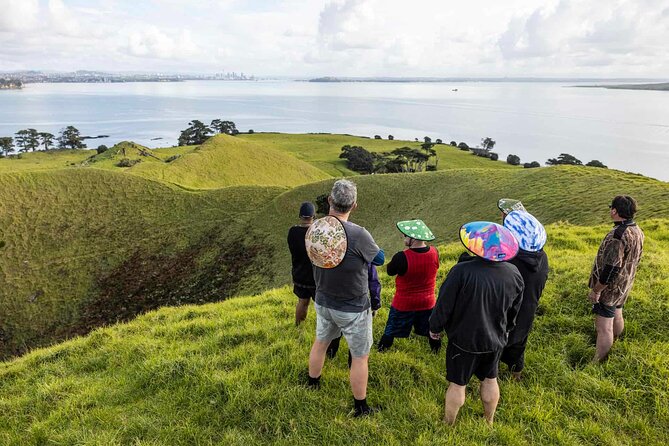
Auckland’s waterfront has plenty of views. What makes Browns Island (Motukorea) special is that you’re not just looking at sea and sky. You’re paddling to a place with a layered human story and a very real natural one.
Browns Island is a volcanic cone from an eruption about 25,000 years ago. That matters because it turns the island into an outdoor classroom: you’re seeing geology right at the water’s edge. And once you’re on shore, the experience shifts from “look at this cool island” to “wait… this rock and shoreline helped shape what people did here.”
Then there’s the human history that’s tied to the island’s position in the harbor. Early settlers, for example, reportedly swam horses across the harbor by the early settlement period. Long before that, Māori communities thrived with farming and fishing, leaving behind remnants of pā sites. Add to that the fact that Sydney mud cockle shells showed up in volcanic shell beds, and you get a place where the natural record and human use overlap.
And in 1909, aviation history got its start on the island peak: Alex and Claude Barnard launched a homemade flying machine from Browns Island, marking New Zealand’s first aeroplane trials. It’s the kind of story that makes you look at a summit and suddenly understand why it would matter to early inventors.
You can also read our reviews of more tours and experiences in Auckland
Getting to the water at St Heliers Bay (and what to expect from the timing)
Your day starts at the St Heliers Bay Boat Ramp, 384 Tamaki Drive, St Heliers, Auckland 1071, with a 10:00 am start. The total time on the water is about 4 hours.
That timing is practical. You’re not fighting an all-day itinerary, and you’re arriving early enough that the harbor can feel fresh and clear. Also, with a cap of 16 people, it’s not a cattle-call trip. You’ll get more hands-on attention if you need it, and the group moves more like a team than a line.
You should also plan around the one big variable that affects everything here: weather. The tour requires good conditions. If wind or chop is worse than expected, you might get a different date option (or a full refund if it’s canceled due to poor weather). So don’t book this as a “set it and forget it” plan—check forecasts close to departure.
Stop 1: the one-hour Hauraki Gulf paddle out (views + marine spotting)
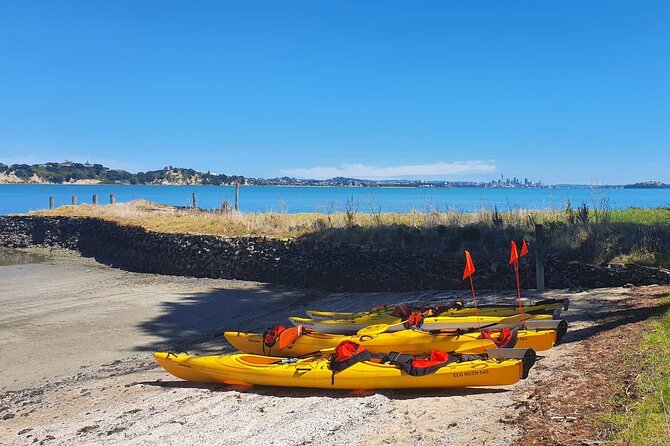
The first stretch is a one-hour kayaking section from Auckland CBD out toward Browns Island (Motukorea). For a lot of people, this is where the trip either feels smooth or a little more demanding.
The good news: the tour is designed with beginners in mind, and the route timing is short enough that you’re not committed to a long slog. But sea kayaking still has its own learning curve. You’ll be on open water near the harbor, and that means you’ll want good control—steady paddling, calm posture, and listening to your guide about how to move as a group.
What you’re looking for on this leg:
- Hauraki Gulf and Waitematā Harbour views from the water, with an angle you just can’t get from the shore.
- Possible marine creatures sightings while you paddle. Even if you don’t go full “wildlife biologist,” you’ll likely notice more than you would on land.
This first paddle also sets expectations for the island stop. If you get a handle on technique early—how you steer, how you keep balance—you’ll enjoy the landing more.
Stop 2: two hours on Motukorea (volcano, birds, and history you can read)
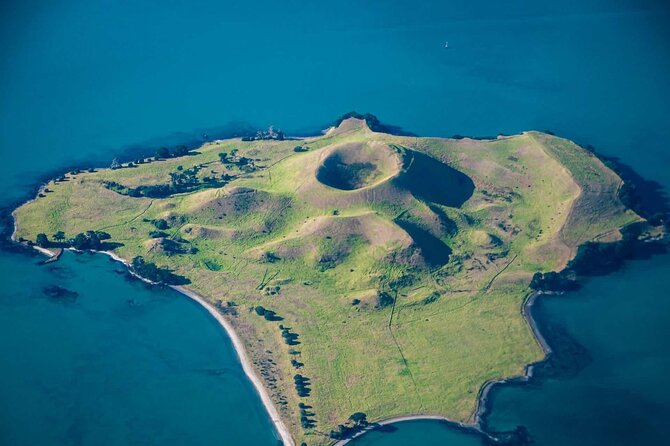
The main event is the time ashore at Browns Island (Motukorea). Expect about two hours on the island itself.
What makes the island visit worth it
Many kayak tours treat landfall like a quick walk and a few pictures. Here, you get enough time for two things to happen:
- You slow down and absorb the island as a place, not just a dot on the water.
- You connect the visible features to the island’s deeper story—volcanology, wildlife habitat, and human traces.

Wildlife sanctuary energy
Browns Island is now uninhabited and functions as a recreational reserve and wildlife sanctuary. That’s why birdlife is such a highlight. You might spot:
- tūī
- pūkeko
- silvereye
Beyond birds, keep your eyes low and scan shaded areas too. The island is also home to skinks and geckos. In other words, it’s not only about what’s flying overhead.
The volcano clue, in plain sight
Because Browns Island is part of the active Auckland Volcanic Field, the island’s shape and rock context become the background for the whole experience. You’re there to see what that volcanic origin means for the island today—how it creates habitat, shoreline structure, and the kinds of natural deposits that were later discovered and recorded.
Human history isn’t abstract here
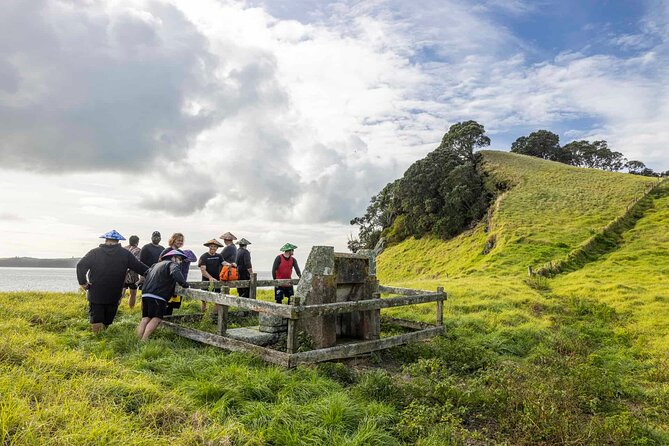
A big reason people love this stop is that it’s not just dates in a brochure. You’re walking near pā site remnants, and you’re hearing how early Māori communities used the island through farming and fishing.
Then there’s the twist of evidence from the seabed and shells: Sydney mud cockle remnants were found within volcanic shell beds. It’s a reminder that the harbor and shoreline record holds clues about time, diet, and environment.
Finally, the Barnard brothers’ 1909 aeroplane trials give the island an invention-story edge. When you hear that a homemade flying machine launched from the island peak, the whole place feels slightly more dramatic than “just another small island.”
Stop 3: the return paddle to Auckland CBD (how to finish strong)
The final leg is another one-hour paddle back from Browns Island to Auckland CBD, again with Hauraki Gulf and Waitematā Harbour views from the water.
This is where you’ll be glad for any early effort you put into technique on the first paddle. Sea kayaking fatigue sneaks up. Even if you feel fine at the start, the return can feel longer because you’re focused on navigation, keeping the kayak balanced, and matching group rhythm.
Here’s how you can keep it enjoyable:
- Stay smooth with your strokes rather than forcing power.
- Keep listening to your guide, especially about spacing and movement in a group.
- Watch the horizon and the water’s surface rather than staring down at your feet the whole time.
If you want a “wow” ending, this is often where the harbor views look the most different from earlier. Returning usually changes the light angle and the way you notice the shape of the coastline.
The guide’s role: why instruction can make or break it
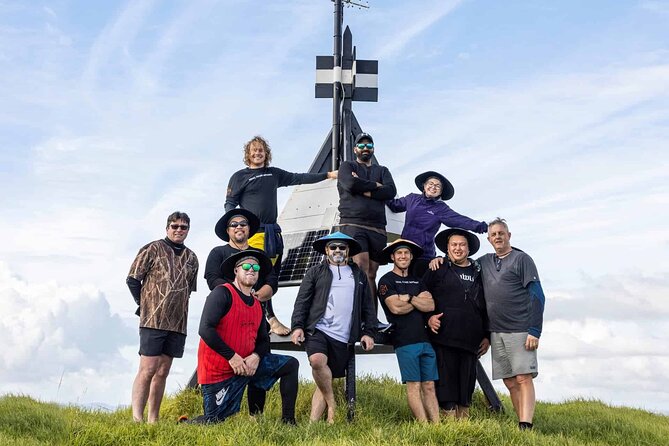
The standout element for me is how much the trip relies on the guide’s storytelling and teaching. When the guide explains the area clearly, you don’t just paddle—you learn why Browns Island sits where it does in the bigger Auckland picture.
One name that shows up for people on the water is Chris. He comes across as friendly and helpful, especially when conditions or technique get challenging. That matters because one of the few downsides reported is when people feel they’re not ready for the sea-kayak handling demands needed to reach the island as planned.
So here’s the practical takeaway: even if the tour aims for beginners, don’t assume this is identical to a calm lake paddle. If you’re brand-new, go in with patience and treat it like a first lesson, not a performance.
If you’re more experienced, you’ll likely move through the routine quickly and focus on the island stories, birdlife, and geology without worrying about control.
Price and value: is $93.09 a good deal for this Auckland outing?
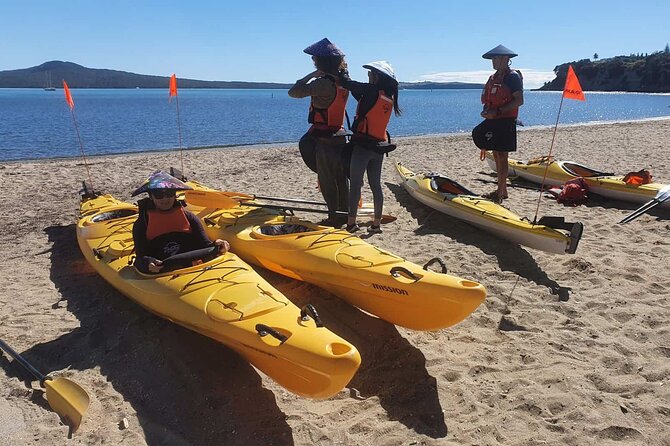
At $93.09 per person, this isn’t a budget activity, but it also isn’t overpriced for what you get: a guided sea kayaking experience built around a real destination with wildlife and deep local context.
A few value points that make the price feel more reasonable:
- You get about 4 hours total, including time on the island itself.
- The island experience includes access in a way that’s listed as admission ticket free.
- The group size is capped at 16, which often means more attention from staff than bigger tours.
- You’re paying for the guide’s work too: the connection between what you’re seeing (volcanic origin, birds, shoreline clues) and what it means.
If you care about wildlife viewing and geology stories more than you care about “just riding around,” this is the kind of outing that earns its cost. If you’re only after a quick paddle or you want zero physical challenge, you might feel like you’re paying for instruction and time ashore that you could skip.
Who should book this Browns Island sea kayak tour (and who should practice first)?
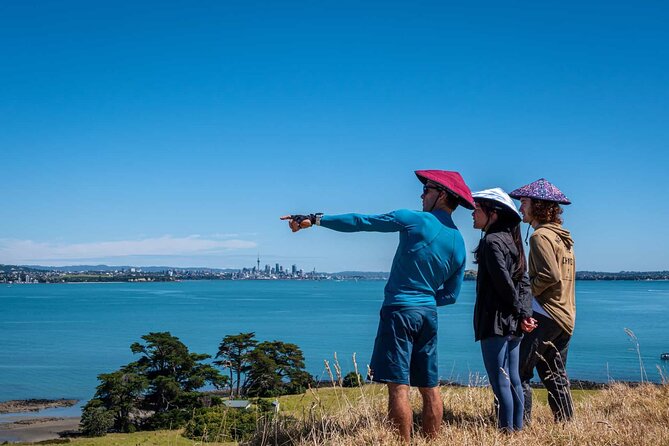
This trip is set up so most people can participate, and it’s described as beginner-friendly. Still, sea kayaking has a learning curve, and the “can participate” part doesn’t mean “effort-free.”
I’d recommend this tour if:
- You want a short, focused Auckland water experience without committing to an all-day trip.
- You like wildlife spotting, especially native birds and the chance of reptiles like skinks and geckos.
- You enjoy history tied to a place you can physically stand on—Māori pā remnants, the Barnard flight trials, and early settler stories.
- You appreciate guides who turn scenery into context.
I’d think twice or add some practice first if:
- You’re brand-new to sea kayaking and you’re worried about control in open water.
- You’re the type who needs very easy conditions to stay calm. Because good weather is required, you may avoid the worst conditions, but technique still matters.
Quick call: should you book Browns Island (Motukorea) now?
Yes—if you like combining Auckland harbour paddling with an island stop that has real wildlife and real stories. The best reason to book is the pairing: sea views out on Hauraki Gulf plus a shore visit where the volcanic and human past makes sense in your head.
Before you go, do one simple thing: check the forecast close to departure and be ready for the fact that sea kayaking is more technical than paddling in a swimming-pool frame of mind.
If that sounds fun rather than stressful, you’ll likely leave feeling like Motukorea was worth the trip—because it is.
FAQ
How long is the Browns Island Motukorea sea kayak tour?
It lasts about 4 hours (approximately).
Where is the meeting point?
The tour meets at St Heliers Bay Boat Ramp, 384 Tamaki Drive, St Heliers, Auckland 1071, New Zealand.
What time does the tour start?
The start time is 10:00 am.
How much does the tour cost?
The price is $93.09 per person.
How many people are in a group?
The maximum group size is 16 travelers.
Is this tour suitable for beginners?
Most people can participate, and the kayaking expedition is described as designed for beginners, though you still need to be comfortable following instructions on the water.
What will I do while on Browns Island (Motukorea)?
You’ll spend about two hours on the island to see its scenic volcanic setting, historical remnants, and wildlife sanctuary environment.
What happens if weather is poor?
The tour requires good weather. If it’s canceled due to poor weather, you’ll be offered a different date or a full refund. You can also cancel up to 24 hours in advance for a full refund.