REVIEW · CANOES & KAYAKS
Bioluminescence Kayak Tour – Est. 1994
Book on Viator →Operated by Canoe & Kayak Adventures · Bookable on Viator
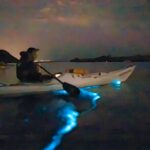
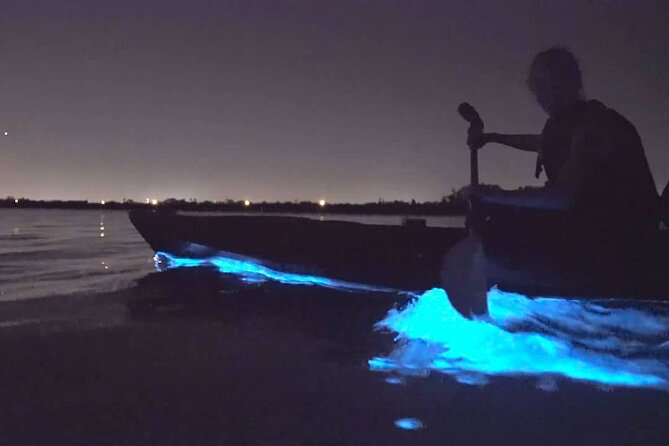
Stars, but the water is the show. This is a night paddle where bioluminescent plankton turns your kayak wake into moving sparkles, and I really like that it’s built for beginners with close coaching through a 1–6 guide ratio. One thing to know up front: glow levels can be subtle, and the water may not look as bright on your phone as it does in photos online.
What makes it especially appealing is the mix of comfort and wildness. You’re in sheltered coastal water at night, so you’re not battling open-ocean chaos, and you’ll get all the kayaking and safety gear plus instruction. The one logistical wrinkle is that the exact launch area is confirmed before 3:30pm the day of the tour, within a 6-mile (10-kilometer) radius of the North Shore Canoe & Kayak store in Mairangi Bay.
In This Review
- Key things I’d circle on your map
- Why this Auckland night paddle feels worth $73.85
- Long Bay–Okura Marine Reserve: the water that makes or breaks the mood
- Rosedale meeting point, mobile ticket, and the 3:30pm mystery
- 2 hours on the water: how beginner lessons stay safe and fun
- What it feels like in practice
- The paddle rhythm you’ll follow
- Bioluminescence reality check: why glow varies and photos can disappoint
- Photo and video expectations
- Glow worms?
- Kayak type, getting wet, and comfort tips that actually matter
- Bring a change of clothes
- If you have back trouble
- Drying and the end of the ride
- Weather, cancellations, and how to plan Auckland nights without stress
- Who should book this bioluminescence kayak tour
- Should you book the bioluminescence kayak tour from Rosedale?
- FAQ
- FAQ
- Do I need kayaking experience?
- How long is the Bioluminescence Kayak Tour?
- Where does the tour take place?
- What’s included in the price?
- What size are the groups?
- What kind of kayak will I use?
- Is the tour close to public transportation?
- What if the weather is bad?
- What’s the cancellation policy?
Key things I’d circle on your map
- Beginner-friendly coaching: You learn how to kayak from the guides, not from trial and error.
- Protected water at Long Bay–Okura: A calmer setting makes the whole night paddle easier.
- Small groups: Max 24 people total, with a 1–6 guide-to-guest ratio.
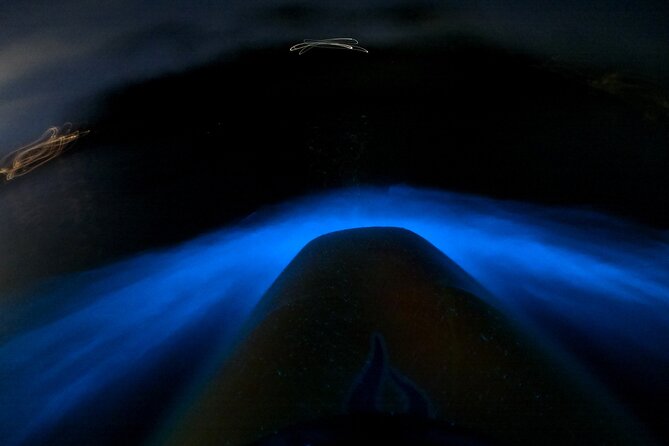
- Glow that responds to your touch: The water lights up with movement and interaction, so don’t just stare—paddle.
- Most gear is handled for you: Kayaks, safety equipment, and tuition are included.
- Bring backup clothes: Expect some wetness, and plan for limited drying options.
Why this Auckland night paddle feels worth $73.85
This tour is priced at $73.85 per person, and it’s a fair deal when you look at what’s included. For that money, you get: a real guide-led night kayak session, all equipment and safety gear, and coaching that takes you from first paddle to seeing the glow show on your own route.
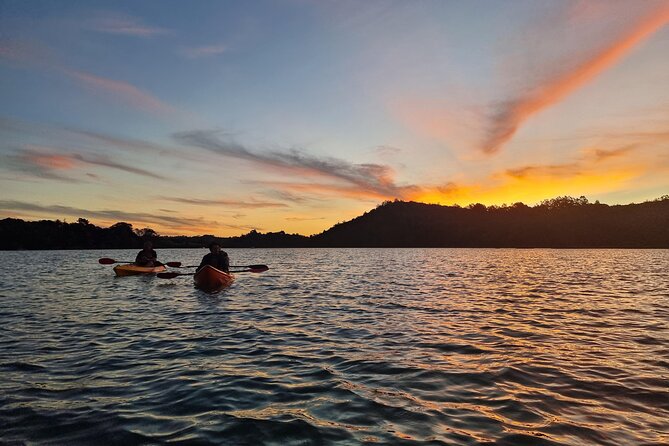
That matters in Auckland, where “night experiences” can sometimes be half activity and half waiting around. Here, you’re moving most of the time. You’ll be out on the water for about 2 hours (approx.), learning as you go, then using your paddle strokes to stir up the conditions that make the plankton glow.
Also, this is run by Canoe & Kayak Adventures, established in 1994. That longevity usually means they’ve worked out the kinks: safety processes, equipment fit, and how to get first-timers comfortable fast.
You can also read our reviews of more tours and experiences in Auckland

Long Bay–Okura Marine Reserve: the water that makes or breaks the mood
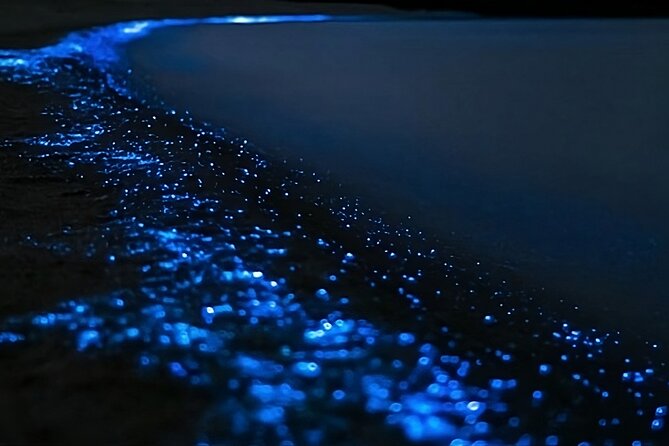
The action takes place in the protected waters of the Long Bay–Okura Marine Reserve. That detail is more important than it sounds. At night, calm water makes it far easier to relax, pay attention to instructions, and actually enjoy what’s happening around you.
You’ll be out on a night paddle along Auckland’s northern coast area, away from the harsh neon lights that can wash out natural glow. You’re not far from the city, but the goal is to get you into a darker pocket of coastline where the ocean can do its thing.
One practical drawback: bioluminescence isn’t a guaranteed special-effect fireworks show. The glow can vary based on the conditions on the water that night. You’ll still get a very cool experience—just don’t plan on every moment looking like a perfect viral video.
Rosedale meeting point, mobile ticket, and the 3:30pm mystery
You’ll meet at 2/20 Ascension Place, Rosedale, Auckland 0632, and the tour ends back at the same meeting point. The start location is near public transportation, which helps if you don’t want to fight parking before a wet, dark adventure.
You’ll also get a mobile ticket, so keep your phone charged. Small thing, big thing at night.
Then there’s the “where exactly are we launching?” part. The tour operates within a 6-mile (10-kilometer) radius of the North Shore Canoe & Kayak store in Mairangi Bay, and they confirm the exact area before 3:30pm on the day of your tour. Translation: don’t build a rigid schedule right before the tour. Keep that evening flexible, because you’ll want the confirmed launch spot before you plan the rest of the day.
I also like that the confirmation happens at booking time, so you’re not left wondering days later. Still, you should expect that the final details get locked in the same day.
2 hours on the water: how beginner lessons stay safe and fun
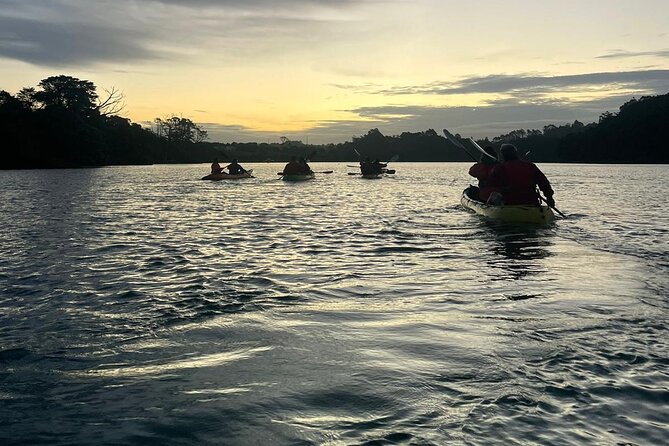
This is one of the best types of “first kayak” tours because it’s structured around learning. The tour’s whole pitch is no experience, no problem, and that shows in how it’s run: you’re not dropped in and hoped-for.
With the 1–6 guide-to-guest ratio, you get real attention. That’s key at night, when you need quick feedback on paddle technique, balance, and where to look. Guides also emphasize safety in a calm, practical way. People specifically mention that safety stays front and center.
What it feels like in practice
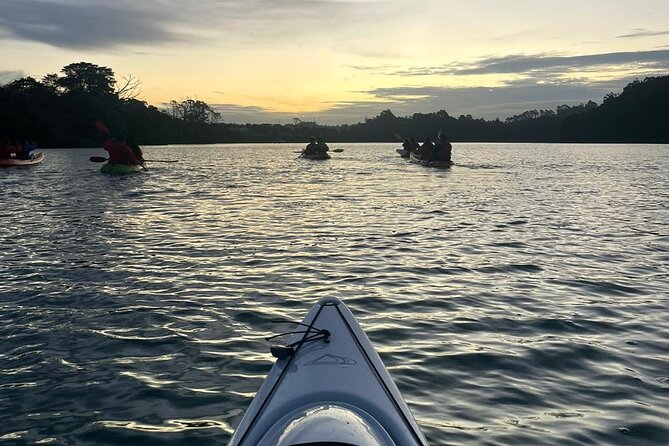
You’ll start in a protected area, then paddle out during the evening’s move from sunset into full dark. Several guides are mentioned across different trips—names like Josh, Elena, Eloise, Gareth, Madison, Paul, Peter, Ben, Keith, and Sam show up in past guiding teams. You may not get the exact same guide, but the consistency in coaching style is the point: friendly, patient instruction plus a solid safety mindset.

The paddle rhythm you’ll follow
Bioluminescence doesn’t happen just because it’s dark. It lights up with motion and disturbance. So as you paddle, you’re basically “activating” the glow with each stroke and wake.
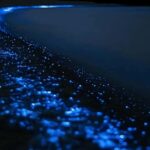
One review made the point clearly: the glow often looks like stars coming up from under the water, and it can be especially striking when you see multiple colors or multiple types of bioluminescence during the paddle. You won’t control everything, but you can control your rhythm—keep paddling, keep moving normally, and follow guide cues.
Bioluminescence reality check: why glow varies and photos can disappoint
Let’s talk about the elephant in the kayak: bioluminescence is not always camera-perfect.
The experience can be magical—people describe blue sparks, glowing wakes, and the water turning into a starfield effect. But the glow level can vary depending on conditions, and some people found it less bright than photos or expected it to be.
Here’s the good news: even when the plankton glow is subtler, it still feels special in motion. The human eye is better at noticing movement and texture in low light than a phone camera is at capturing it. Also, bioluminescent effects often show up best when the water is disturbed—so “watching quietly” can lead to disappointment. You’ll get more by actively paddling and letting the water respond.
Photo and video expectations
If you want a lot of crisp footage, plan for disappointment. One common theme is that it’s hard to get photos and videos that match the hype, mainly because the glow can be weak on screens. I’d treat your phone as a bonus, not a guarantee.
Instead, try this: keep your phone away for stretches, then take a few short clips only when the guide signals peak activity.
Glow worms?
One review mentions seeing glow worms as well. That’s not something the tour data promises, but it’s a nice reminder that dark coastal environments in this region can offer more than one kind of night-light.
Kayak type, getting wet, and comfort tips that actually matter
You’ll ride in stable sea kayaks or sit-on-tops. That choice helps beginners because stability is everything when you’re adjusting to night conditions. You’ll also have all kayaking and safety equipment provided.
Now, about getting wet: expect it. Even if you stay relatively dry, you’ll probably get splashes. One review was direct: be prepared to get wet, even if the tour can handle a short rain storm.
Bring a change of clothes
This is one of those “small advice that saves your mood.” People recommend bringing a change of clothes for convenience. If you don’t, your post-tour comfort can take a hit, especially when it’s cool out at night.
If you have back trouble
One practical tip: if you have back issues, look for a kayak with a back rest. The tour uses different kayak styles, and having support can make the whole paddle feel easier.
Drying and the end of the ride
Some feedback suggests changing areas may not be available after the adventure. So don’t count on a long, comfortable dry-off session. Plan to rinse your expectations: you’re here to paddle, then get yourself back to warmth.
Weather, cancellations, and how to plan Auckland nights without stress
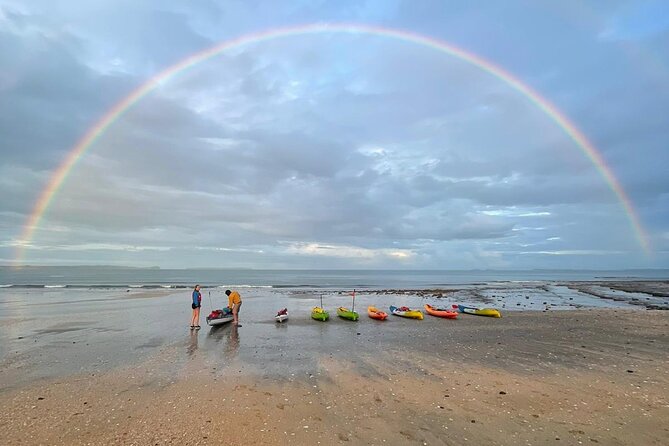
This tour requires good weather. That’s not just a checkbox; in sheltered kayaking, the difference between “okay” and “unsafe or miserable” can be real. The policy is set up so that if the experience is canceled due to poor weather, you’ll be offered a different date or a full refund.
There’s also a minimum traveler requirement mentioned in the rules. If it doesn’t meet the minimum number of travelers, you’ll get a different date/experience or a full refund.
So what should you do as a visitor? Pick the night you least mind losing. Keep one flexible night as a backup if you’re able, and avoid scheduling a major commitment right before or right after your kayak slot.
Who should book this bioluminescence kayak tour
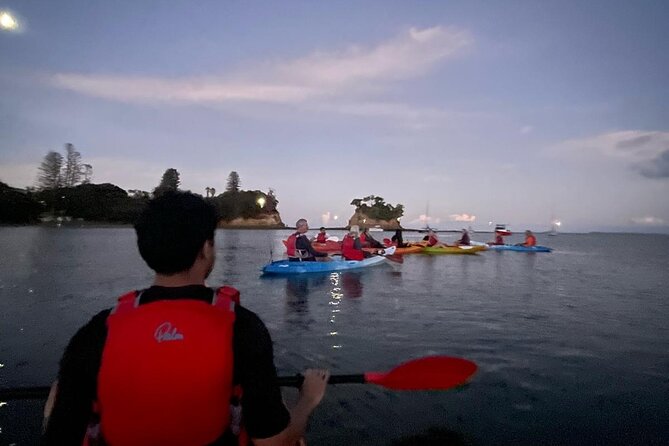
This is a strong fit if you want a nature experience that’s genuinely active, not just a passive viewing session.
You’ll likely enjoy it most if:
- you’re a first-time kayaker and want structured coaching
- you want a night activity that’s close enough to Auckland but still feels like you left the city lights behind
- you want a small-group experience with real safety attention
- you like science-with-a-story moments, because guides typically explain what’s happening in the water while you paddle
It may be less ideal if:
- you’re expecting guaranteed, ultra-bright bioluminescence every minute
- you need perfect phone video results
- you really don’t want any chance of getting wet
Should you book the bioluminescence kayak tour from Rosedale?
If you want an easy-to-join Auckland night that mixes hands-on kayaking with a real natural light effect, I’d book this. The value comes from the full package: gear, safety, instruction, small-group ratio, and the protected-water setting that makes it work for beginners.
Just go in with the right mindset. Treat bioluminescence like a living, changeable show. Some nights will glow more. Some nights will be subtler. Either way, being on the water in the dark, watching the ocean respond to your movement, is the point.
FAQ
FAQ
Do I need kayaking experience?
No. The tour is designed for first-timers, and you’ll learn how to kayak from the guides.
How long is the Bioluminescence Kayak Tour?
It runs for about 2 hours.
Where does the tour take place?
It paddles in the Long Bay–Okura Marine Reserve area, and the exact location is confirmed before 3:30pm on the day of the tour. The activity takes place within a 6-mile (10-kilometer) radius of the North Shore Canoe & Kayak Store in Mairangi Bay.
What’s included in the price?
All kayaking and safety equipment, plus tuition from qualified kayak guides.
What size are the groups?
The maximum is 24 travelers, with a guide-to-guest ratio of 1–6.
What kind of kayak will I use?
You’ll use stable sea kayaks or sit-on-tops.
Is the tour close to public transportation?
Yes, the meeting area is near public transportation.
What if the weather is bad?
The tour requires good weather. If it’s canceled due to poor weather, you’ll be offered a different date or a full refund.
What’s the cancellation policy?
You can cancel up to 24 hours in advance for a full refund.