REVIEW · FOOD & WALKING TOURS
Auckland Walking Tour: Small-Group History & Culture Experience
Book on Viator →Operated by Auckland Story - Small group guided walks · Bookable on Viator
Auckland’s story walks right in front of you. This small-group history and culture walk strings together volcano-to-viaduct themes, Māori legends, and the city’s key moments, with a smart route through central Auckland landmarks. You’ll get the why behind what you’re seeing, from early settlement stories to later waterfront energy near Britomart and the Quays.
I especially like the way the pacing feels human. Stops are short, there’s time to look and ask questions, and the guide makes a point of slowing down when people need it. Another standout: the tour is led by Paula, and her mix of local detail plus personal, lived-in stories makes the history feel less like a lecture and more like a conversation in the street.
The main thing to consider is simple: this is still a walking tour. If you hate being on your feet, or if the weather is rough, you may want to plan for a slower personal pace and bring layers and good shoes.
In This Review
- Key points to know before you go
- Why This Auckland Walk Feels Like a Local Timeline
- Meeting at Khartoum Place and the Smart Route to 143 Quay Street
- Albert Park: Where Auckland’s Green Spaces Meet the Story
- University of Auckland and the Clock Tower Moment
- Old Government House: A Quick Stop With Big Backstory Potential
- Emily Place Reserve and the Included Admission Moment
- Lord Freyberg Statue: Why Monuments Matter in City Walking Tours
- Sky Tower at a Distance and the Feeling of Modern Auckland
- Britomart: Public Art and a Different Kind of Auckland Energy
- Queens Wharf and Waitematā Harbour Views
- The Waterfront Finish at 143 Quay Street: Your Reward Moment
- Refreshments and Insider Tips: Turning a Walk Into a Day Plan
- Price and Value: Is $73.23 Worth It?
- Who Should Book This Auckland Story Walk
- Should You Book This Small-Group Auckland History and Culture Tour?
- FAQ
- How long is the Auckland Walking Tour?
- What is the group size?
- Where do I meet the tour, and where does it end?
- How much does the tour cost?
- Is the ticket mobile?
- What are some key places you’ll see on the walk?
- Are there any included admissions?
- Is free cancellation available?
Key points to know before you go
- Max 6 people means more attention and fewer lost questions
- 3 hours is long enough for real context, short enough to keep it fun
- Paula leads with clear history and personal stories from living in New Zealand
- Albert Park to the waterfront connects parks, civic buildings, and harbour views without feeling random
- Public art and memorial moments add culture beyond the big-ticket sights
- Refreshment break + food tips help you turn your walk into a full day in Auckland
Why This Auckland Walk Feels Like a Local Timeline
Auckland can feel like a city of sudden jumps. One block you’re looking at modern design, the next you’re staring at something that looks like it has been waiting there for a century. This tour helps you connect those dots.
The big idea is that Auckland’s story starts far earlier than most first-time itineraries suggest. The walk frames the city through volcanic origins and the way that shaped the places people built, traveled through, and later turned into cultural centres. Then it moves forward toward the parts most visitors come to see: Britomart, the Quays, and the waterfront zone around the Viaduct area.
What I like is that the guide doesn’t treat Māori legends or pioneer history like separate add-ons. You get a sense of how they sit beside each other in the living city. If you want your visit to feel grounded in place, this kind of “street-level history” works better than museum-only sightseeing.
You can also read our reviews of more walking tours in Auckland



Meeting at Khartoum Place and the Smart Route to 143 Quay Street
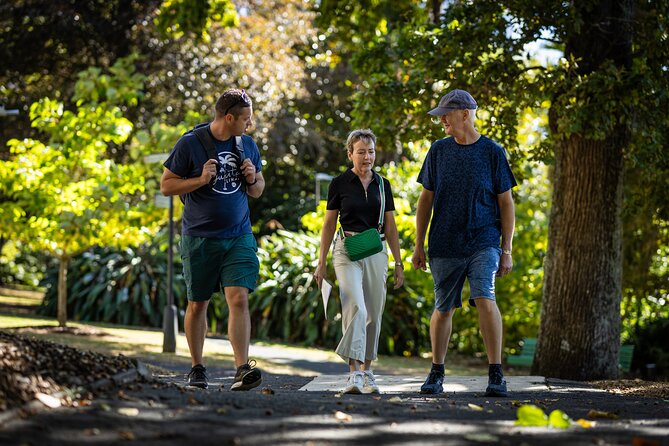
You start at Khartoum Place (Auckland Central), close to the Hilton Hotel, and you finish at 143 Quay Street with harbour views. That matters more than it sounds.
Starting in the central grid helps you avoid long transit. Finishing on the waterfront is a nice reward, because you end where Auckland feels most open and breezy. The whole experience runs about 3 hours, and with a maximum of 6 travelers, the pace stays conversational instead of sprinting from stop to stop.
The tour also uses a mobile ticket, which is one less thing to manage while you’re navigating a new city. And it’s designed for most people, since you’re doing short segments rather than one long hike.
Albert Park: Where Auckland’s Green Spaces Meet the Story
The first major pause is Albert Park (about 10 minutes). It’s a free stop, and it sets the tone well: you’re not just walking past sights, you’re walking into the city’s character.
Parks can be an easy place to overlook, but this is the part where the guide can frame how Auckland developed around land use and movement. Albert Park gives you a breather while still keeping you connected to the downtown rhythm.
If you’re the type who likes to look at a place and understand how it functions, you’ll appreciate this stop. It’s also a good moment to reset if you’re wearing stiff shoes or your travel day started early.
University of Auckland and the Clock Tower Moment
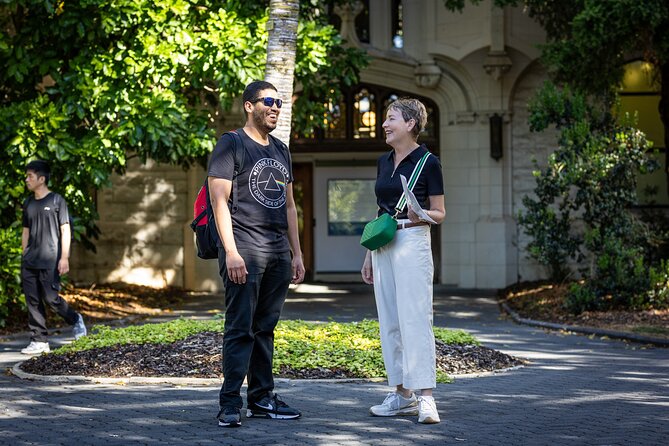
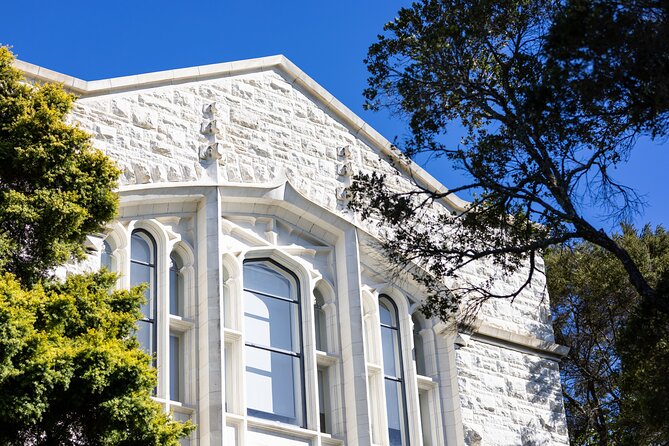
Next comes the University of Auckland area (about 10 minutes), including time to see the Clock Tower. This is one of those places where a single landmark can change the way you read an entire neighbourhood.
The tower is more than a photo stop. It helps you connect the campus setting to Auckland’s civic life. You’ll also get time to walk through the grounds in a way that doesn’t feel rushed, which is exactly what you want on a tour built for context.
If you’re curious about how a modern city keeps older symbols in view, this is one of the better stops for that.
Old Government House: A Quick Stop With Big Backstory Potential
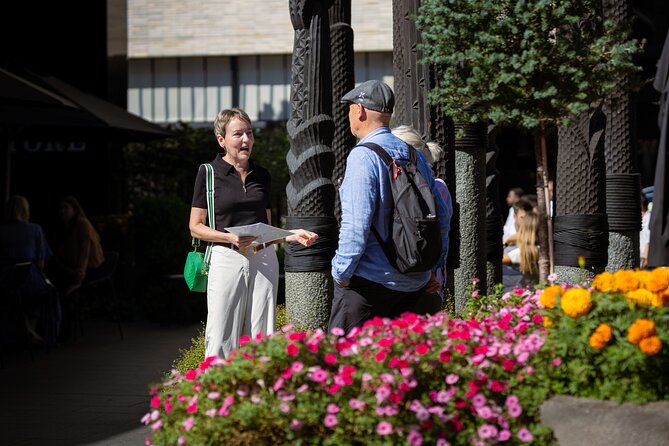
Then you make a brief visit to Old Government House (about 5 minutes). Short stop, but it’s chosen for a reason: it’s tied to the way New Zealand governance and public institutions shaped the city.
With only a few minutes, you’re not going to feel like you’re touring a building for hours. Instead, you’re getting a guided snapshot that helps the surrounding area make sense. Think of it as a moment of orientation, not a full historic house experience.
If you like your history compact and practical, this format works. If you prefer long museum-style time, you might want to add extra independent time after the walk.
You can also read our reviews of more historical tours in Auckland





Emily Place Reserve and the Included Admission Moment
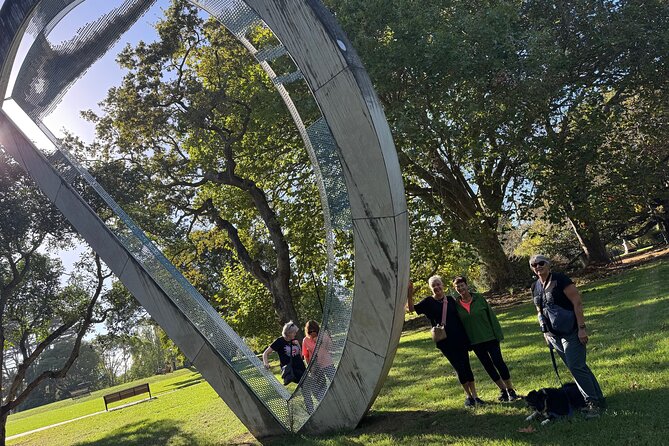
Emily Place Reserve is a short stop (about 5 minutes) with admission included. This is the kind of detail that can make or break a walking tour: including something specific means the experience isn’t just scenery and talking points.
Because the stop is brief, you’ll want to keep your attention sharp. This is where the guide can point out something you might miss if you were walking through on your own.
A quick word of advice: if it’s raining, reserve time to look even for 30 seconds. Small areas like this are easier to skim when you’re trying to stay dry.
Lord Freyberg Statue: Why Monuments Matter in City Walking Tours
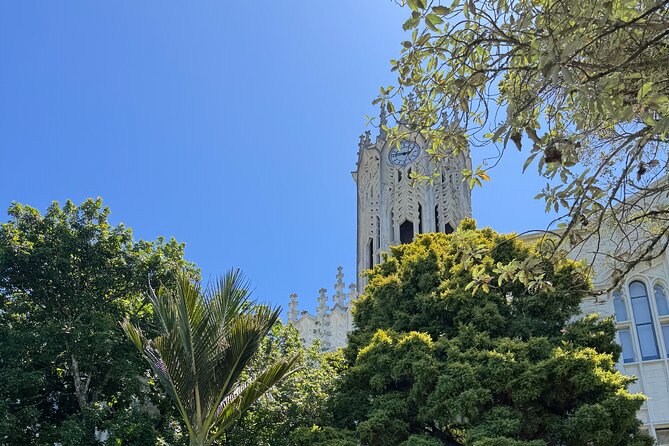
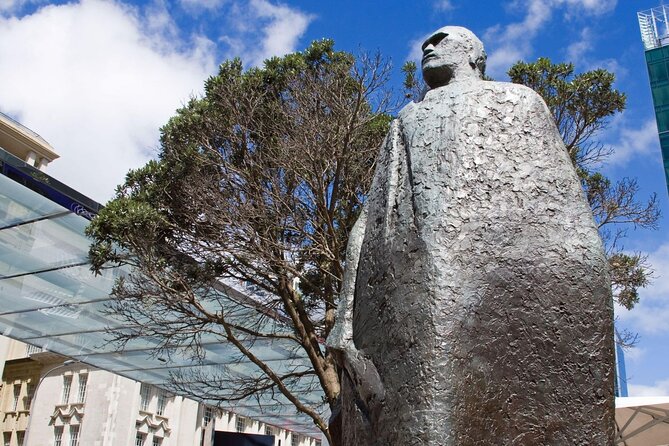
You then stop at the Lord Freyberg statue (about 5 minutes), also free. Statues can feel like decoration until someone explains why they were placed, and what time period or public mood they reflect.
This stop is short, but it gives you a reminder that Auckland’s history is built into the streets. Monuments, memorials, and named places are part of the cultural language of the city.
If you’re the type who enjoys seeing how public memory works, you’ll appreciate this more than someone who just wants the biggest landmarks.
Sky Tower at a Distance and the Feeling of Modern Auckland
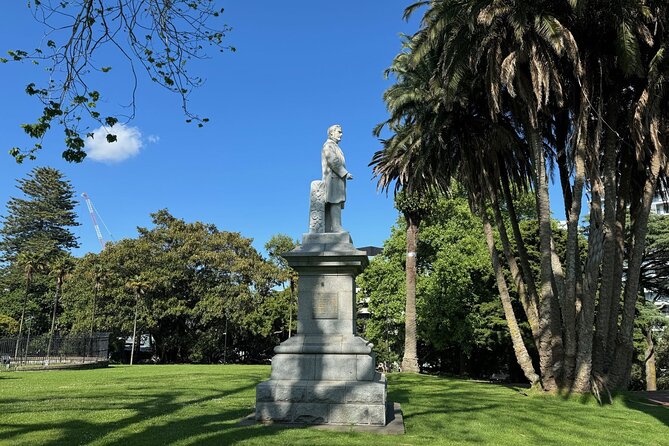
There’s a short segment where you see the Sky Tower at a distance. This is useful even if you’ve already photographed it from afar, because the guide can explain the modern skyline in the context of the older city.
This tour isn’t about cramming in every famous view. It’s about helping the timeline click: older civic and institutional signals, then later commercial and waterfront growth, then the kind of modern icon that signals a city on the global stage.
If you’re deciding where to spend your daylight, you can use this moment to gauge angles and plan later photos.
Britomart: Public Art and a Different Kind of Auckland Energy
One of the best cultural stops comes next: Britomart (about 10 minutes). You’ll see public art displays here, and that’s a smart choice for a history-and-culture tour.
Britomart is where Auckland feels more contemporary and designed. Public art adds meaning. You’re not just looking at shiny buildings; you’re seeing how the city expresses itself in everyday space.
This stop is also time-efficient. Ten minutes is enough to take in the feel, notice details, and still keep momentum toward the waterfront.
If you enjoy street-level creativity—murals, sculpture, and design you can’t get from generic postcards—this part will land.
Queens Wharf and Waitematā Harbour Views
You finish the main sightseeing portion at Queens Wharf (about 10 minutes) with views of Waitematā Harbour. It’s free and it’s also a reality check in the best way.
Auckland is a harbour city, and once you see the open water, a lot of the earlier landmarks start to make more sense. The guide’s stories connect trade, movement, and later civic development to the waterfront you’re standing near.
This is where you can also stop thinking only in terms of architecture and start thinking in terms of geography. The water shapes the whole city.
The Waterfront Finish at 143 Quay Street: Your Reward Moment
The tour ends at 143 Quay Street, where you get harbour views and room to breathe. This works well because you don’t feel forced to rush out of the tour at the first great photo.
The broader route also includes iconic waterfront sights like the Viaduct Harbour area, and you’ll hear about major New Zealand sporting maritime identity, including an America’s Cup yacht you can see in the harbour zone. The New Zealand Maritime Museum is another highlight tied into this finish zone.
There’s also time in the overall walk for culture markers such as the Women’s Suffrage Memorial and a few “look-for-this” moments that help you slow down and see what you’d otherwise speed past.
Refreshments and Insider Tips: Turning a Walk Into a Day Plan
One of the underrated strengths here is the built-in break for refreshments and the guide’s insider tips on where to eat, drink, and shop. That’s not fluff. It’s practical.
After a 3-hour walking tour, you’re usually thinking: where do I go next without wasting time? Food recommendations from someone who knows the neighbourhood save you the awkward first-night guesswork.
Based on how Paula runs the tour, the break also isn’t an afterthought. It helps keep the pace comfortable, which matters when you’re mixing history talk with frequent short stops.
Price and Value: Is $73.23 Worth It?
At $73.23 per person for about 3 hours, this isn’t the cheapest option in Auckland. But it does feel like it earns its place if you care about context.
Here’s why it’s good value:
- You’re paying for a guided route built around multiple stops rather than one attraction.
- You get a small group (max 6), which usually means better interaction than big bus-style tours.
- You’re getting a mix of culture, memorials, public art, and waterfront sights, plus on-the-spot practical recommendations.
If your goal is just to tick off landmarks, you could DIY many parts with a map. But if you want to understand why Auckland looks the way it does—why those monuments exist, how Māori stories sit in public space, and how the city’s harbour identity shaped it—this format usually makes the price feel fair.
Who Should Book This Auckland Story Walk
I’d point this tour toward you if:
- You like walking tours where each stop explains something, not just where you’re herded along.
- You want a history-and-culture hit that mixes Māori legends, early civic landmarks, and modern waterfront life.
- You enjoy seeing public art, memorials, and everyday urban details.
- You prefer small groups and a guide who keeps the pace comfortable.
I’d think twice if:
- You’re sensitive to walking time or standing for short periods.
- You want a deep, museum-length experience at a single venue. This is a guided walk with short stops, not a sit-down archive day.
Should You Book This Small-Group Auckland History and Culture Tour?
Yes, if you’re trying to get oriented fast and you like your city with stories attached. This is the kind of tour that helps you connect the volcanic and Māori context with the later shapes of Auckland—parks, civic buildings, public art, and the harbour zone that makes the city feel unmistakably itself.
I’d book it especially if you can do it early in your trip. You’ll leave with a clearer mental map and a set of recommendations that help you spend the rest of your time smarter.
FAQ
How long is the Auckland Walking Tour?
The tour runs for about 3 hours.
What is the group size?
The tour is limited to a maximum of 6 travelers.
Where do I meet the tour, and where does it end?
Meet at Khartoum Place in Auckland Central, and the tour ends at 143 Quay Street in Auckland Central.
How much does the tour cost?
The price is $73.23 per person.
Is the ticket mobile?
Yes, the tour uses a mobile ticket.
What are some key places you’ll see on the walk?
You’ll pass through areas such as Albert Park, the University of Auckland Clock Tower area, Britomart, Queens Wharf, and you’ll finish near the waterfront with harbour views. Highlights also include places like the Sky Tower area, the Viaduct Harbour area, an America’s Cup yacht view, and the New Zealand Maritime Museum.
Are there any included admissions?
Emily Place Reserve includes admission. Other listed stops are free.
Is free cancellation available?
Yes. You can cancel up to 24 hours in advance for a full refund.