REVIEW · WEST COAST BEACHES & RAINFOREST TOURS
Auckland (Tawharanui): Wild Kiwi Bird Spotting Encounter
Book on GetYourGuide →Operated by Social Nature Movement · Bookable on GetYourGuide
Auckland goes full science-fiction after dark. Tāwharanui Regional Park turns this North Island trip into a night mission: dark-sky stargazing and kiwi tracking on foot, led by a guide. Two things I really like are the calm, expert-style search for the elusive North Island brown kiwi and the chance to study the sky when it finally gets properly dark. One catch: kiwi spotting is slow and hit-and-miss, so you have to be patient.
You’ll start near the public bathrooms at the end of Takatu Road, just a short scenic drive from central Auckland. Once you meet your guide and group, you’ll get a quick briefing on safety and how the park works, then head out with stargazing and kiwi-spotting gear. Based on past nights led by guides like Chris and Millie, Legend, Sean, Lucas, and Ryan, the best part is often the guide’s pacing and respect for wildlife, not just the final sighting.
In This Review
- Quick Hits: What Makes Tāwharanui Night Work
- Tāwharanui after dark: why the sky is part of the wildlife
- Finding a North Island brown kiwi isn’t a sprint
- What the night feels like: from briefing to quiet return
- Bioluminescence: the optional surprise along the shoreline
- Price and value: $89 for a guide-led night you can actually pull off
- Logistics that matter: shoes, warmth, and the slow pace
- Who should book this Auckland kiwi spotting tour
- Should you book? My practical take
- FAQ
- Where is the meeting point?
- How long does the experience take?
- How much does it cost?
- What should I bring?
- Is transport included?
- Is stargazing equipment provided?
- Is there an option for glamping?
Quick Hits: What Makes Tāwharanui Night Work
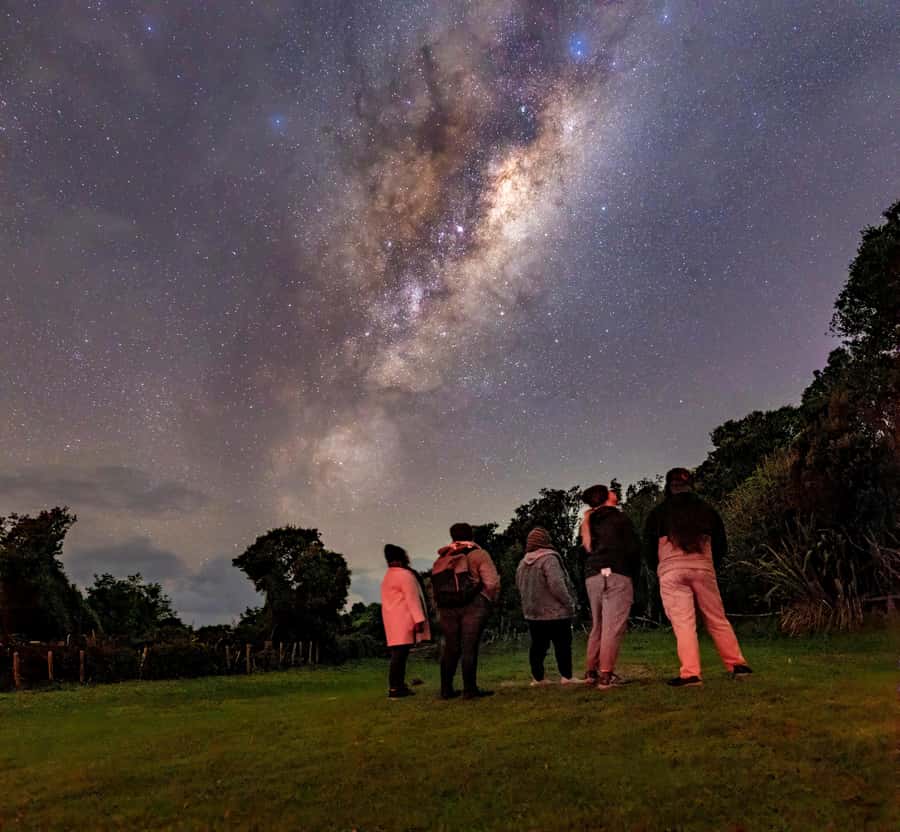
- Low-light coastal skies make stars and planets easier to see than you’d expect near Auckland.
- Guided kiwi tracking focuses on listening, watching, and reading small signs instead of rushing.
- Small-group energy keeps the search quiet and orderly, which matters for nocturnal birds.
- Flexibility when weather changes: if clouds roll in, the night can shift toward kiwi time.
- Shoreline bioluminescence can appear when conditions are right, adding a second layer of night magic.
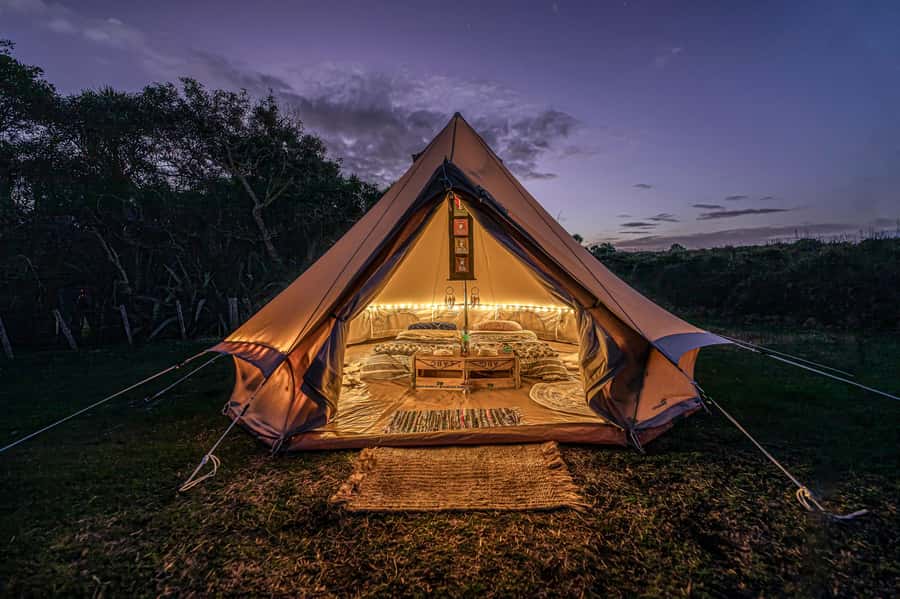
- Optional glamping lets you stay in the park area longer if you want the full overnight experience.
Tāwharanui after dark: why the sky is part of the wildlife
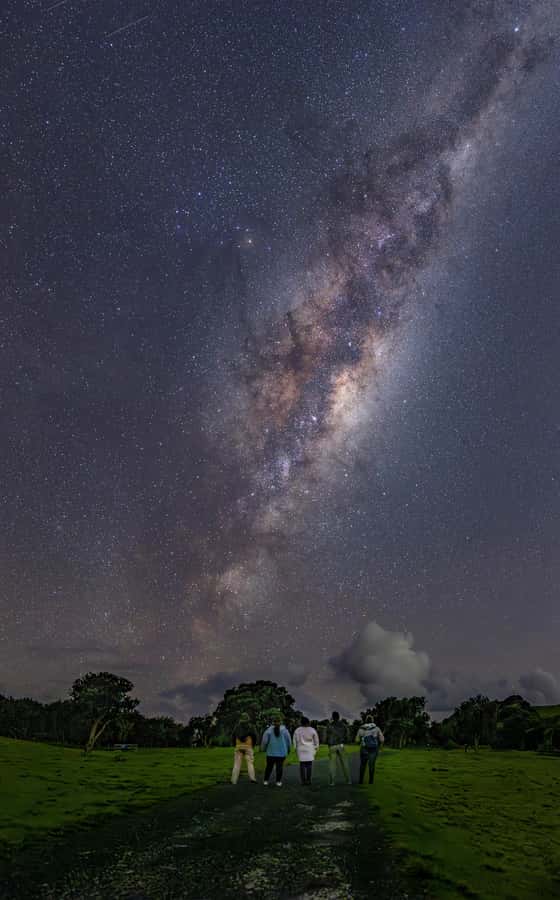
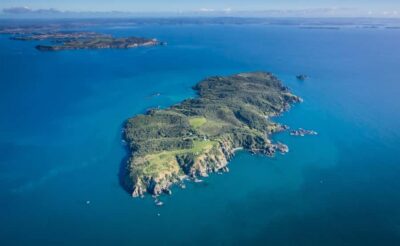
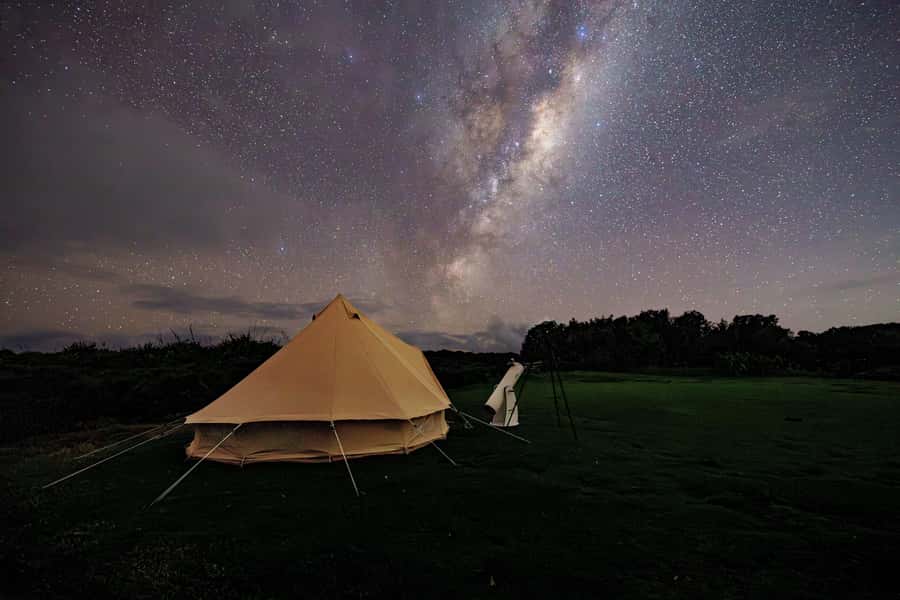
Tāwharanui Regional Park is known for being one of Auckland’s strong conservation areas, and it also has genuinely low light pollution. That matters. In the city, the sky is washed out; here, night actually looks like night.
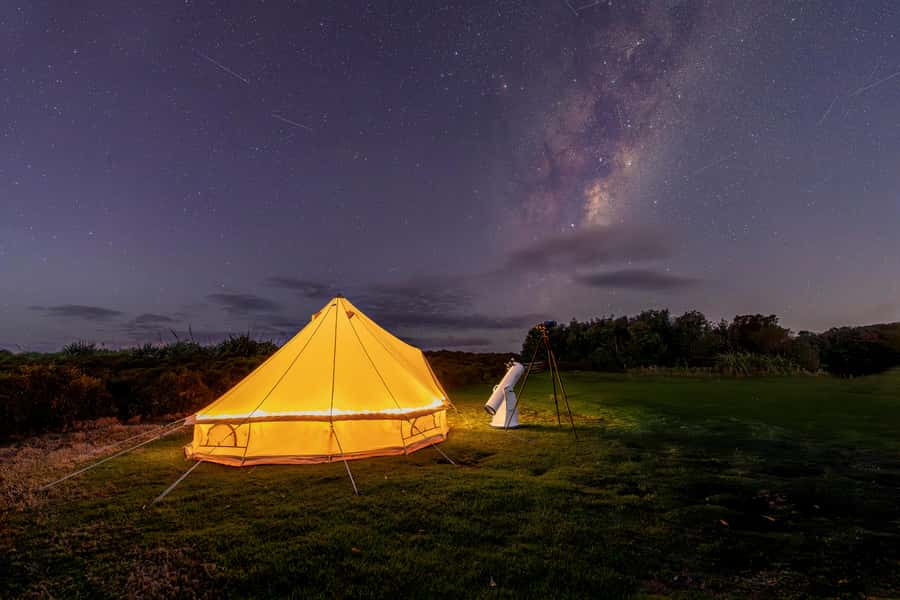
During your evening, your guide will point out what’s overhead: stars, seasonal constellations, and often visible planets. On some nights, people have used the telescope to get a closer look at features like the moon’s craters, which is a great “wow” moment when you thought you’d only come for birds.
The sky component also gives you a helpful rhythm. You’re not just standing still waiting for a kiwi; you’re out there learning the night in layers. And if the night sky turns cloudy, the tour doesn’t stall—it tends to shift focus toward kiwi spotting instead, which still keeps the experience rewarding.
You can also read our reviews of more tours and experiences in Auckland.

Finding a North Island brown kiwi isn’t a sprint
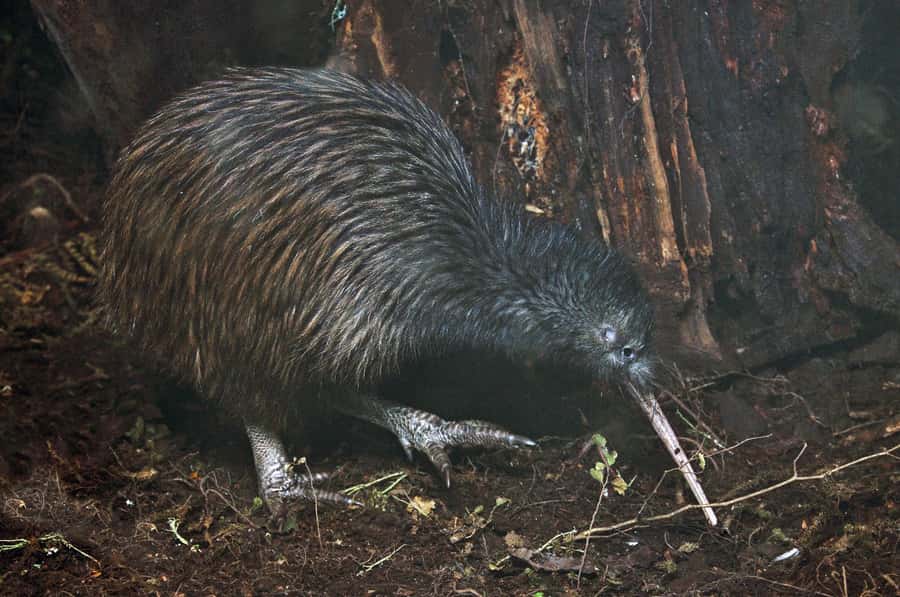
This is a kiwi hunt, but it’s also a lesson in how to behave when wildlife is in charge. North Island brown kiwi are nocturnal and flightless, and they don’t treat our schedules as important. The guide’s job is to improve your odds without stressing the birds.
You’ll walk slowly through native bush and open habitat, using tracking techniques that emphasize:
- Listening for calls and signs of activity
- Watching for subtle movement at ground level
- Moving quietly and deliberately so you don’t out-noise the forest
Several past groups have described the same pattern: the first wait can feel slow, then multiple kiwi sightings come in closer together. That’s exactly how patience pays off here.
You may also use nighttime equipment that helps your group spot birds respectfully. Some guides provide torches and headlamps, and on certain nights, people have used thermal viewing gear to help detect movement. The key is how it’s used: as an aid for careful observation, not a way to “chase” a bird.
And even when the kiwi are hard to see, the park isn’t silent. While walking through the bush, you might hear other calls such as ruru. That turns the search into more of a living night soundtrack than a checklist.
What the night feels like: from briefing to quiet return
Plan on an evening that starts with rules before the fun. At the meeting point near the public bathrooms at the end of Takatu Road, you’ll gather with your guide and fellow guests for a relaxed intro. Expect the guide to explain:
- Safety basics for walking in the dark
- How the park’s ecosystems work
- What species you might encounter and how to observe them without pushing closer
Then dusk arrives and the real work begins. Your main time is a guided walk focused on kiwi spotting, with the pace matched to animal activity and conditions. This is not the kind of tour where you constantly stop for photos. It’s more about staying quiet long enough for the forest to show you something back.
As full darkness settles, you’ll switch into stargazing mode. The guides tend to connect the sky to the Southern Hemisphere view and, on some nights, even to Māori stories connected to constellations. People have mentioned seeing planets like Venus, Jupiter, and Saturn during the telescope and stargazing time, even on nights with some moonlight.
Near the end, you’ll return calmly to the car park, say goodbye to your guide and group, and head back. That matters for comfort. The experience is intense in a good way, but it’s also built to end safely and not leave you scrambling in the dark.
Bioluminescence: the optional surprise along the shoreline
This experience sometimes includes a “bonus level” for your night senses: bioluminescence along the shoreline or in shallow water. It’s never guaranteed, because the timing depends on conditions.
When it happens, gentle movement in sand or water can trigger a soft electric-blue glow. It’s not like a theme-park light show. It’s subtle, natural, and kind of mind-bending—especially after you’ve been learning how kiwi survive the night.
If you’re the type who loves watching nature science in action, this part is a great reminder that Tāwharanui isn’t just about one iconic bird. It’s an entire coastal ecosystem that comes alive after dark.
Price and value: $89 for a guide-led night you can actually pull off
At $89 per person for about two hours, this tour isn’t cheap, but it also isn’t overpriced for what you’re getting. The big value is the guided component. Kiwi spotting isn’t like birdwatching in a park with clear sightlines. It’s slow, quiet, and dependent on animal behavior. A guide who knows how to track and where to look dramatically changes your odds.
You also get stargazing and kiwi-spotting equipment included. That saves money and hassle compared with trying to assemble gear on your own—especially if you’re visiting Auckland without camping tools.
Two cost-related options can also change the feel of the price:
- Transport can be added at checkout if you don’t have a car. That’s a practical win for visitors based in Auckland.
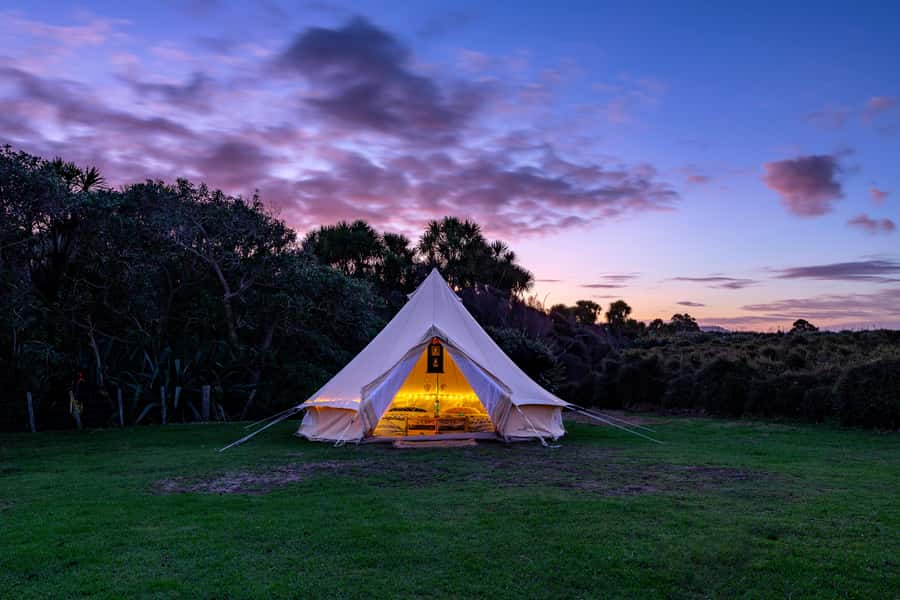
- Glamping stay is available if you select the overnight option, which stretches the experience into a more complete night-in-the-park moment. People have noted tent setup in advance for the overnight option, which removes a lot of friction.
If you’re short on time, don’t assume you can replicate this solo. A guided night is how you turn a remote sanctuary into a real experience instead of a frustrating guessing game.
Logistics that matter: shoes, warmth, and the slow pace
Bring comfortable shoes. You’ll be walking and pausing, often on uneven ground, in low light. A solid grip matters more than style.
Bring warm clothing and extra layers. Even when the air feels fine at dusk, nights in this area can cool quickly. People have described winter nights, drizzle, and cloudier conditions—so plan for damp and temperature drop.
Bring water too. The tour is outdoors, and you’re out for long enough that thirst sneaks up.
The pace is part of the “trade.” Kiwi spotting is patient work. If you hate waiting, this can feel long. But if you enjoy slow travel—listening, watching, and letting the environment set the tempo—you’ll feel like the time passes faster than you expect.
Who should book this Auckland kiwi spotting tour
This is a strong match if you want a guided experience that mixes wildlife and night-sky learning. It’s also a great choice if you’re a first-timer at spotting birds. Several past bookings included families, including kids around primary school age, and it can work well for mixed groups of adults and younger travelers.
It’s also a good fit for seniors who still enjoy a manageable walk. The tour is designed around careful observation and a slow search rather than strenuous hiking.
If your main goal is only seeing kiwis as fast as possible, you might feel frustrated by how wild kiwi behavior works. But if you’re okay with the possibility of a long wait, you’re exactly the right kind of traveler for this sanctuary night.
Should you book? My practical take
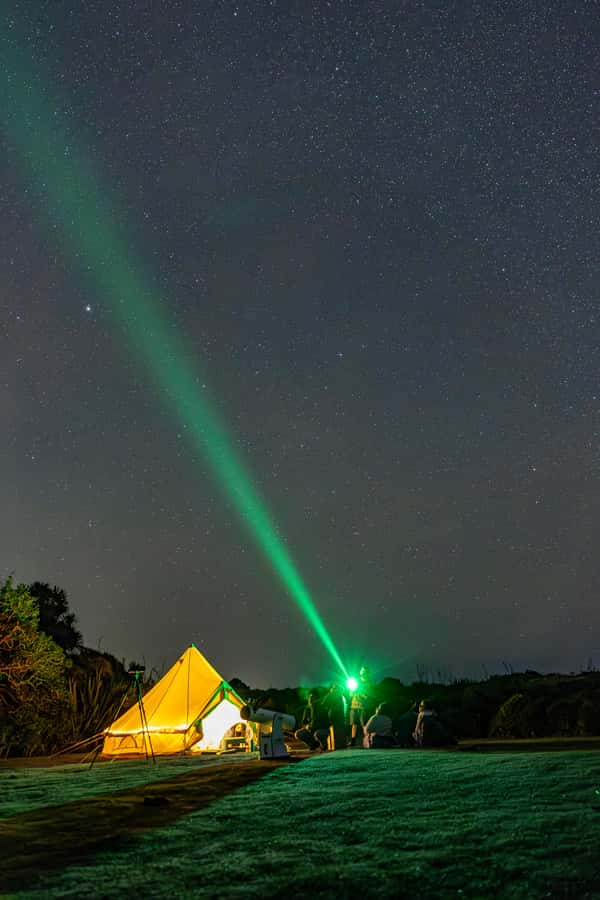
Book it if you want two rare things in one outing: North Island brown kiwi in a protected habitat and a proper look at the night sky near Auckland. The guided tracking approach makes a huge difference, especially if you don’t have local knowledge or you’re traveling without a car.
I’d think twice only if you know you can’t handle cold or you need guaranteed animal sightings. This is wildlife watching, not a controlled show. Some nights deliver several clear sightings; others can be quieter. Still, even when the kiwi are elusive, you’re spending time in an important conservation area with a guide who helps you understand what you’re seeing—and the stars don’t care about your itinerary.
If you can, dress for the weather and bring patience. That combo is what turns Tāwharanui into the kind of Auckland memory you’ll talk about long after you’ve left the park.
FAQ
Where is the meeting point?
You’ll meet near the public bathrooms at the end of Takatu Road in Tawharanui Regional Park.
How long does the experience take?
The duration is listed as 2 hours.
How much does it cost?
The price is $89 per person.
What should I bring?
Bring comfortable shoes, warm clothing, and water.
Is transport included?
Transport is not included, but it can be added at checkout.
Is stargazing equipment provided?
Yes. Stargazing and kiwi-spotting equipment is included.
Is there an option for glamping?
Yes. A glamping stay is included if the overnight option is selected.