REVIEW · ISLAND FERRIES & DAY TRIPS
Auckland: Tiritiri Matangi Island Ferry
Book on GetYourGuide →Operated by Explore Group New Zealand · Bookable on GetYourGuide
Birds outnumber traffic here.
A day on Tiritiri Matangi Island feels like a reset button for your senses, with pest-free habitat and native birds that are the whole point of the trip. I love that you get a mix of “move your legs” walking tracks plus quieter pockets for just listening to bird song, and the island delivers the biggest crowd-pleaser: the oldest working lighthouse in New Zealand still doing its job. English-guided bird talk from people like Vishnu and Tina can make even a short path feel like a live nature lesson.
I also like the practical layout of the experience: a real cruise across the Hauraki Gulf (Tikapa Moana) and then enough time on land to walk, pause, and choose your own pace. If your group gets one of the highly praised guides such as Malcolm Pullan or Anne, you’re likely to come away with sharper ID skills for species you’ll hear and spot—like kōkako, tīeke/saddleback, and tuatara.
One consideration: there are no shops on the island, so you need to bring your lunch and snacks (or plan to buy on the ferry). The walking tracks are also not set up for wheelchair access.
In This Review
- Key things to know before you go
- Auckland to Tiritiri Matangi: why this trip feels different
- The Hauraki Gulf cruise on Tikapa Moana: the calm part of the day
- Tiritiri Matangi arrivals: walking tracks, bird life, and a choose-your-route island
- A realistic note on navigation
- The oldest working lighthouse stop: a photo moment with a purpose
- Rare wildlife viewing: what you can hope to see
- How to maximize your odds without overthinking it
- Beach time for swimming and snorkeling: bring your togs
- The timing: how to use your hours wisely
- Price and value: is $65 worth it?
- What to pack (so the day stays fun)
- Who this trip suits best (and who might want a different day)
- Should you book this Auckland-to-Tiritiri Matangi day trip?
- FAQ
- Where do I depart from for the Tiritiri Matangi ferry?
- How long is the cruise to Tiritiri Matangi?
- What’s the typical time on the island?
- Is food available on the island?
- Do I need to bring swimwear for the beach?
- Is there a guide, and is the tour in English?
- What should I pack for the day?
- Are drones or bikes allowed?
- Is this trip wheelchair accessible?
Key things to know before you go
- Pest-free sanctuary means safer habitat for native and endangered wildlife
- Oldest working lighthouse on the island gives you an easy “wow” stop
- 80-minute cruise from Auckland, or about 25 minutes from Gulf Harbour
- Walking tracks + beach time lets you split the day between birding and snorkeling/swimming
- Expect rare sightings (kōkako, tīeke/saddleback, takahē, tuatara, and more)
- Bring your own lunch because the island has no outlets
Auckland to Tiritiri Matangi: why this trip feels different
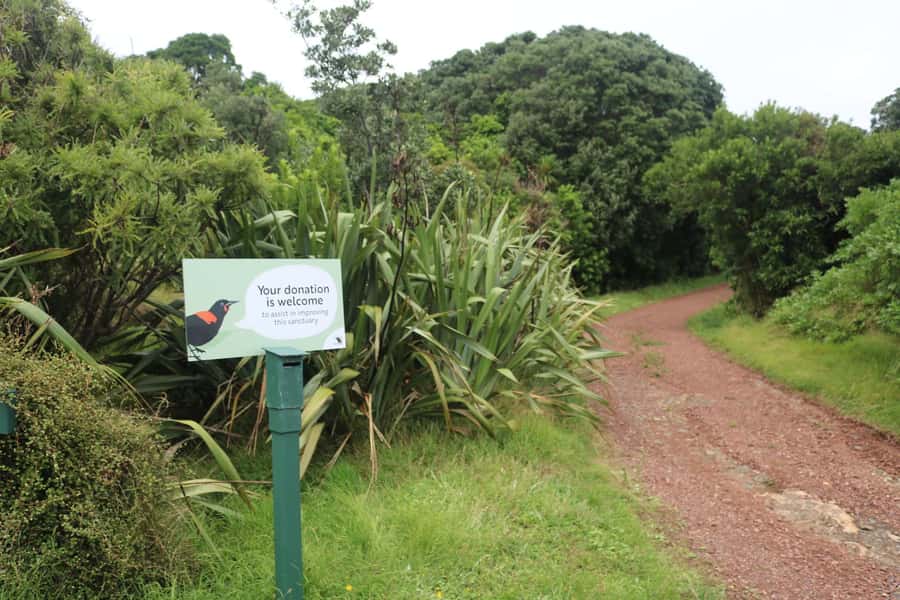
This is not a zoo day. Tiritiri Matangi is a restoration project run like a science experiment—only it’s outdoors, and you get to walk through it. The key is that it’s pest-free, so native birds and other wildlife can actually hold ground and breed without the constant pressure from introduced predators.
What you’ll notice quickly is how the island changes the soundscape. Instead of engine noise, it’s bird calls and wind through native forest. Even if you’re not a hardcore birder, the experience has a simple thrill: you’re in a place where the wildlife has room to show up.
You can also read our reviews of more tours and experiences in Auckland.

The Hauraki Gulf cruise on Tikapa Moana: the calm part of the day
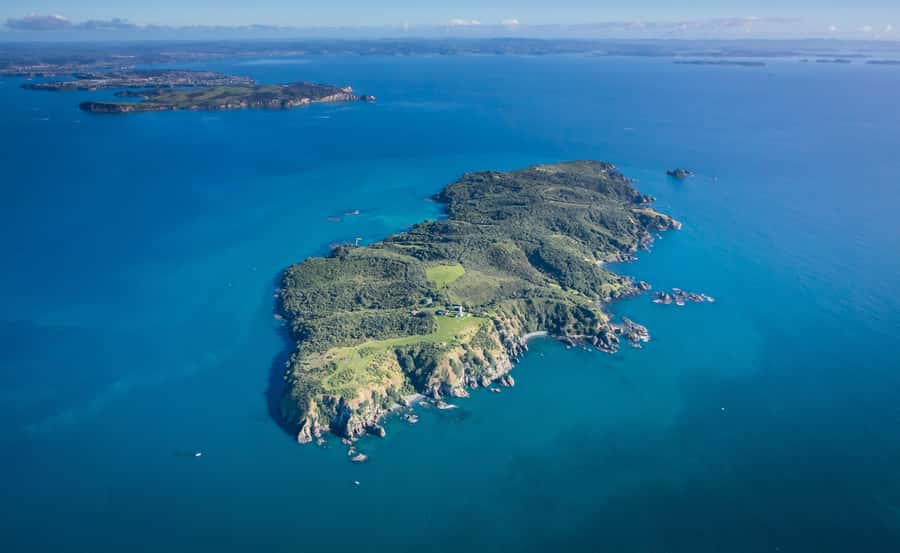
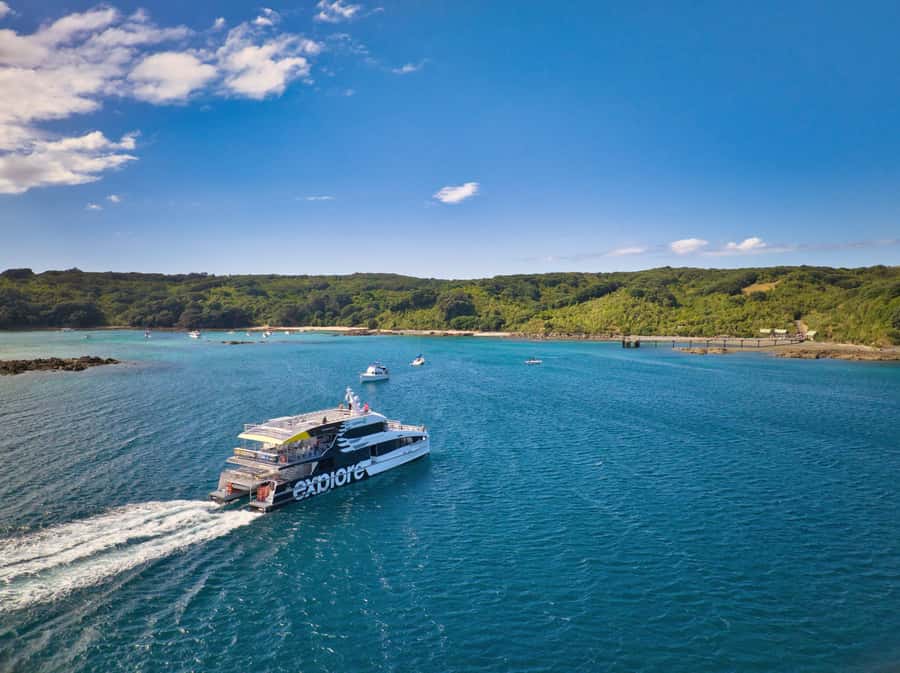
The day starts with a cruise through the Hauraki Gulf (Tikapa Moana). From central Auckland options, it’s about an 80-minute ride each way. If you’re coming via Gulf Harbour, the sea crossing is about 25 minutes, which can feel like the better choice if you want more hours on land.
The ferry ride has the kind of comfort that matters on a day trip. You’ll typically have seating and toilets on board, and there’s usually a place to grab drinks and snacks while you wait out the crossing. One review noted the ferry can be windy, but the trip can still be smooth—so I treat this as a “bring a light layer” moment.
Practical tip: if you get motion-sensitive, pick a stable spot early and keep your eyes on the horizon. The Gulf crossing isn’t described as rough in the info, but conditions can change fast in the region.
Tiritiri Matangi arrivals: walking tracks, bird life, and a choose-your-route island
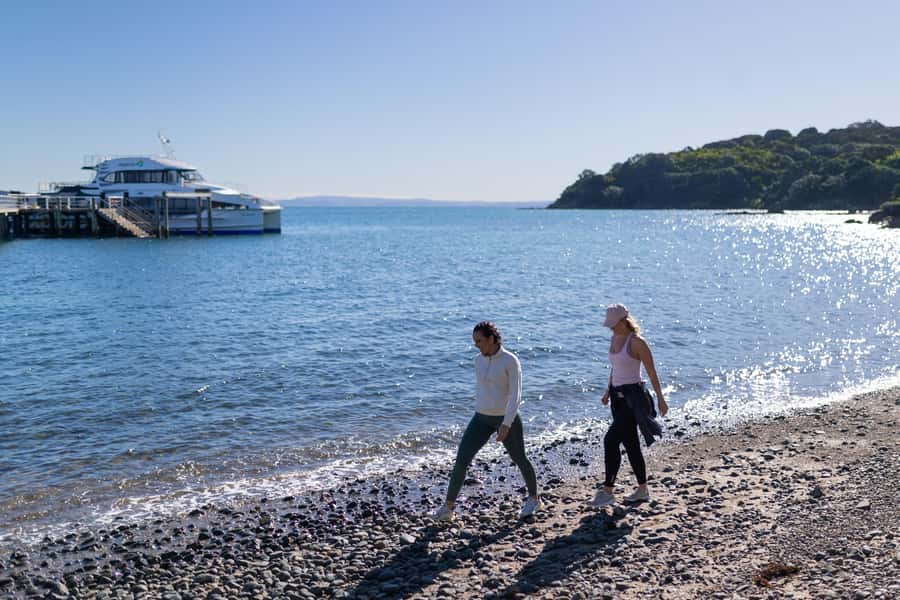
Once you arrive, the whole experience shifts from “ride” to “wander with purpose.” You get access to the island’s walking tracks, which vary in feel—some routes are more open and cliff-edge, while others pass through native bush that’s clearly recovering.
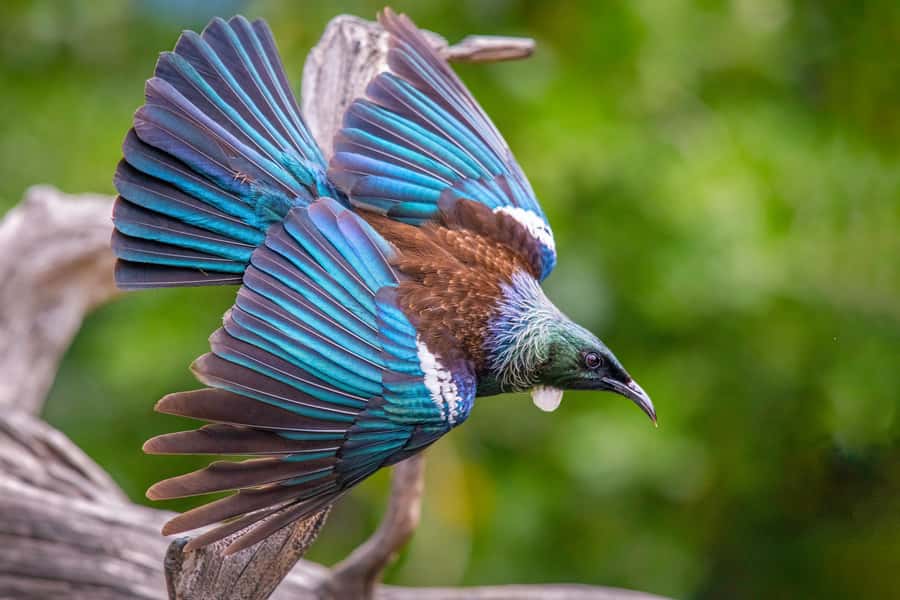
This is where the pest-free setup pays off. It’s not just that wildlife is present. It’s that you’re more likely to see endangered and hard-to-find species in the Auckland region. The information highlights kōkako, tīeke/saddleback, takahē, tuatara, and others, and the guide-led element helps you understand what you’re looking at (or what you’re hearing).
If you love a good “pause and listen” moment, this island is made for it. Reviews mention bird song being enchanting, and that’s believable—when the birds are comfortable, they call more, and you feel it in the walk.
A realistic note on navigation
The island has multiple tracks and beach links. One reviewer found a specific beach-track section confusing (Hobbs Beach and Hobbs Track), and another wished there were more signage. My advice is simple: follow marked routes, don’t freestyle junctions, and start your planned loop early so a wrong turn doesn’t eat up your bird-watching time.
The oldest working lighthouse stop: a photo moment with a purpose
Tiritiri Matangi’s oldest working lighthouse in New Zealand is one of those stops that works even if your attention span is split between birds, scenery, and snacks you packed in your bag.
Why it’s valuable: it gives the day more than just wildlife viewing. It ties the island to a working coastal role, so you’re not only watching restoration—you’re also seeing how humans historically navigated these waters. It’s a strong “reset” stop, too. You can step off the track, get your bearings, and then continue walking with a clearer sense of space.
If you’re the type who likes a landmark to anchor memory, plan to spend a few minutes here even if your eyes keep getting pulled back to movement in the bush.

Rare wildlife viewing: what you can hope to see
This trip shines for people who want a realistic shot at native and endangered species. The info calls out populations that are precious locally, and reviews back up the idea that wildlife sightings can be a highlight that sticks with you for years.
Here’s the practical version of the wish list, based on what’s specifically named:
- Kōkako: often a birding target because of its rarity in the wider region
- Tīeke / saddleback: another key native bird you may hear and spot
- Tuatara: one of those “wait, that’s real” moments when you catch sight of one
- Takahē: a rarer target; seeing one is not guaranteed, but it’s part of the island’s story
- Plus other native species you might encounter during your walk, depending on conditions
Reviews also mention punga weta and even tuatara in the wild. That’s exactly why I like this kind of day trip: you’re not chasing animals in a controlled exhibit; you’re sharing habitat with them and getting a chance at real luck plus real effort.
How to maximize your odds without overthinking it
You don’t need a checklist and binoculars every second. What matters most is staying present:
- Walk at a steady pace, but stop when the guide points something out
- Let your ears do some work—bird calls are often your best lead
- Keep your camera ready, but don’t hold it so high you forget to look through people’s directions
Guides in this kind of setting tend to make the difference between random spotting and meaningful sighting. The info notes an English live tour guide, and the reviews name standout guides like Vishnu, Malcolm Pullan, Tina, and Anne.
Beach time for swimming and snorkeling: bring your togs
The experience includes swimming and snorkeling opportunities at the island’s quiet sandy beaches. The instruction is clear: bring swimwear and a towel.
This part of the day is a good counterweight to birding. After a few hours of walking, water time is refreshing, and the beach setting can feel like a different world compared to the forest paths. You’re also less likely to feel “locked in” like you are on some guided tours.
One practical tip from reviews: at the end of your walk, going to the beach can be a fun cooldown. Also, follow island rules—no littering, no touching plants, and no feeding animals.
The timing: how to use your hours wisely
The day trip timing is structured, but you’ll still choose how you spend time on land. Typical schedule patterns are:
- Midweek (Wednesday–Friday): depart Auckland 9:00am, arrive around 10:20am; depart the island about 2:40pm
- Weekends and public holidays (Saturday, Sunday, public holidays): depart Auckland 8:30am, arrive around 9:50am; depart the island about 4:00pm
From Gulf Harbour departures, the sea crossing is shorter, and the day can feel slightly less rushed if you’re trying to squeeze in more walking.
Here’s the pacing advice I’d give you:
- Start your day with a track loop where you don’t have to rush
- Save your beach time for when the light is comfortable and your legs are done with steep efforts
- If you want the best chance at rare sightings, don’t treat every stop like a sprint—slower walking often means more listening and more opportunities to notice movement
One review did mention thunder during the visit, and the trip still worked out. Still, check the weather before you go and plan for changing conditions. Comfortable shoes are non-negotiable.
Price and value: is $65 worth it?
At $65 per person, you’re paying for a coordinated day trip that includes:
- the cruise (about 80 minutes each way from Auckland, or about 25 minutes from Gulf Harbour)
- access to the island’s walking tracks
- time for swimming/snorkeling
- a live English guide
To me, the value is strongest if you care about the conservation angle and want a guided, low-friction way to reach a place that’s otherwise not “just hop on a bus and go.” You’re also not paying extra for entry, which is a big deal for day trips in Auckland.
The main cost you’ll add is food. There are no outlets on the island, and you should bring a sealed lunch and snacks or plan to buy on the ferry. The day still works on a budget if you pack smart—snacks, a refillable water bottle, and a simple lunch will cover you.
What to pack (so the day stays fun)
The tour info is specific, and I’m glad. This island day rewards sensible gear:
- Comfortable shoes for walking tracks
- Hat, sunscreen, and water
- Camera (you’ll want it)
- Snacks and lunch in a sealed container and bag
- Swimwear and a towel
And yes, you’ll want to be respectful of rules: no smoking, no drones, no bikes, no littering, no feeding animals, and no touching plants. Those rules protect both people and the habitat.
Also note: the experience isn’t suitable for wheelchair users, so if mobility is a concern, plan an alternate Auckland activity that matches your pace.
Who this trip suits best (and who might want a different day)
This is a great fit for:
- people who love native birds and want a real chance at rare sightings
- anyone who likes a guided nature day that also has beach time
- families and friends who can handle walking tracks at a moderate pace
You might think twice if:
- you want a mostly “sit and view” experience
- you need wheelchair accessibility
- you hate packing food and carrying your own supplies for a no-shop island
If your goal is maximum sightseeing in minimum effort, this may feel like more walking than you expect. But if your goal is a peaceful, conservation-focused day, it’s hard to beat.
Should you book this Auckland-to-Tiritiri Matangi day trip?
I’d book it if you want a strong wildlife day trip that feels grounded in conservation rather than spectacle. The pest-free setting and the oldest working lighthouse add variety, and the guided component helps you turn glimpses into knowledge—especially with guides like Vishnu, Tina, Malcolm Pullan, or Anne.
Pack your lunch, wear good shoes, and plan for weather changes. Do that, and this becomes one of the more memorable day trips you can do from Auckland—quiet, outdoorsy, and genuinely about the birds.
FAQ
Where do I depart from for the Tiritiri Matangi ferry?
You have two starting options: the Ferry Terminal at Gulf Harbour or Explore Group in Auckland. The exact meeting point can vary based on what you book.
How long is the cruise to Tiritiri Matangi?
From Auckland, it’s about 80 minutes each way. From Gulf Harbour, it’s about 25 minutes.
What’s the typical time on the island?
The schedule depends on the day, with midweek trips landing around late morning and returning mid-afternoon, while weekend/public holiday trips run later into the afternoon.
Is food available on the island?
No. There are no outlets on the island, so you need to bring your own lunch and snacks. You may be able to purchase food and drinks on the ferry.
Do I need to bring swimwear for the beach?
Yes, the trip includes opportunities to swim or snorkel, so bring swimwear and a towel.
Is there a guide, and is the tour in English?
Yes. There is a live tour guide in English.
What should I pack for the day?
Bring comfortable walking shoes, a hat, sunscreen, water, snacks, and a camera. If you plan to swim or snorkel, bring swimwear and a towel.
Are drones or bikes allowed?
No. Drones and bikes are not allowed.
Is this trip wheelchair accessible?
No. It is not suitable for wheelchair users.