REVIEW · WAIHEKE ISLAND
Waiheke Island Private History and Heritage Tour
Book on Viator →Operated by Terra & Tide · Bookable on Viator
A single day can change how you see Waiheke. This private tour looks at the island through a Māori perspective, starting with big Hauraki Gulf views and moving into places few people slow down for. You get a full, guided day of stories, plants, and archaeological remains—plus a proper lunch stop.
I really like that it’s guided by an expert local, with enough time to connect the coast, the bush, and the historic sites. I also like the hands-on cultural focus on carving, traditional tattooing, and the revitalisation of Māori language, not just a quick roadside explanation.
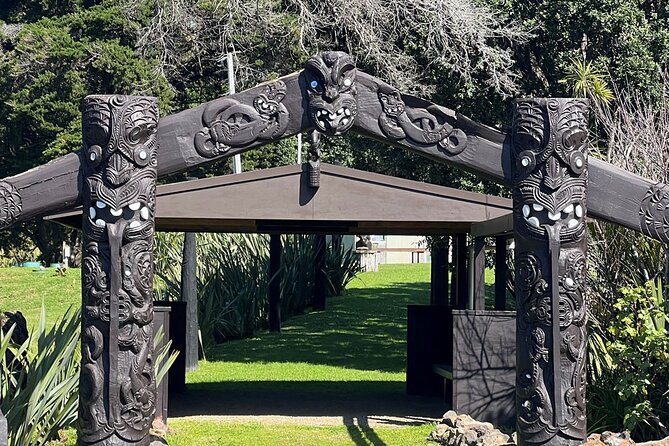
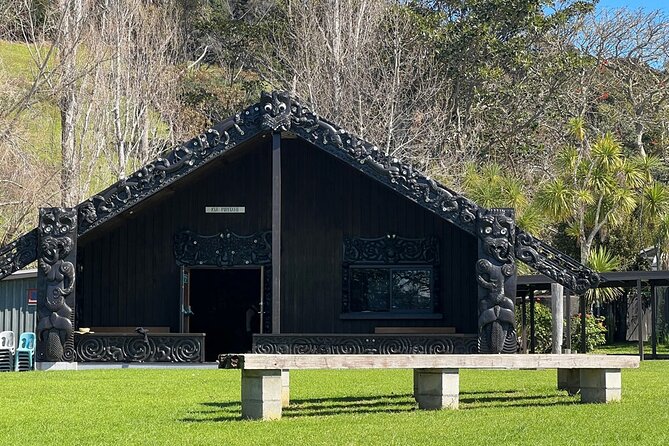
One thing to consider: you may see a Māori welcome hut or community area, but you shouldn’t expect to walk in casually. Access usually depends on a formal welcome process (a powhiri), and that isn’t always set up for visitors.
In This Review
- Key things I’d circle before you book
- Waiheke Through a Māori-Led Lens: What You’re Paying For
- Getting Oriented at Oneroa and the Matiatia Side of the Island
- Beaches, Views, and the Stories That Turn Them Into Places
- Carving, Traditional Tattooing, and Te Reo Māori: Culture With Context
- A respectful heads-up about Māori community sites
- Native Bush Walk: Medicinal Plants and Living Knowledge
- Up to the Pa Summit: Kumara Pits, Shell Middens, and Defensive Terraces
- Birds, Breath, and How the Day Flows Back to the Wharf
- Price and Logistics: When $465.43 Feels Fair (and When It Doesn’t)
- What Lunch and Optional Tastings Add to the Day
- Who This Tour Fits Best
- Should You Book This Waiheke Private History and Heritage Tour?
- FAQ
- How long is the Waiheke Island Private History and Heritage Tour?
- What time does the tour start?
- Where does the tour meet?
- Is this tour private?
- What is included in the price?
- What is not included?
- How much are ferry tickets?
- Is lunch provided?
- Can the tour be extended if I want to stay on the island longer?
- What are the cancellation terms?
Key things I’d circle before you book
- Private group format means the day stays focused on your questions and pace
- Hauraki Gulf + Auckland skyline orientation sets context fast
- White sand beaches come with place-based history and stories
- Native bush walk covers traditional and medicinal Māori plant uses
- Pa summit with kumara pits plus shell middens and defensive terraces
- A café lunch stop keeps the day comfortable, with optional add-ons for foodies
Waiheke Through a Māori-Led Lens: What You’re Paying For
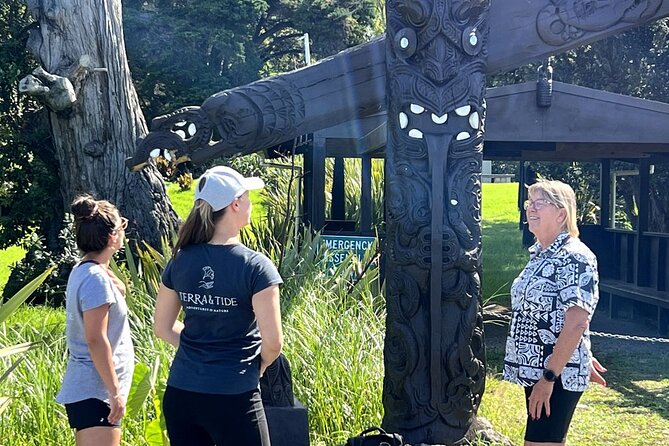
This tour is priced at $465.43 per person, and you’ll only feel good about that price if you care about context. You’re not paying for a bus ride and a few photos. You’re paying for a guided day that treats the island as lived-in knowledge—shared by local people, tied to specific sites, and explained in plain language.
The biggest value is the angle: understanding Waiheke through the eyes of the indigenous people. That shows up in the topics covered, from carving traditions and traditional tattooing to the revitalisation of te reo Māori and the effects of colonisation. Instead of treating culture as a performance, the day connects it to identity, land, and memory.
Another strong value is time. At roughly six hours, there’s room to slow down at beaches, walk through native bush, and reach an elevated pa (fortified village) site with archaeological remains. If you usually rush island trips, this format helps you get your bearings fast.
You can also read our reviews of more private tours in Waiheke Island
Getting Oriented at Oneroa and the Matiatia Side of the Island
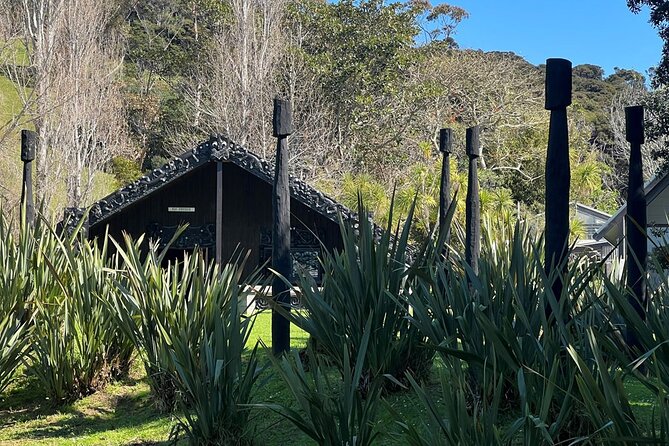
The day starts at 9:45am at the Fullers360 Matiatia ticket office at 1 Ocean View Road, Oneroa, Auckland 1081. That timing matters. It gives you daylight for sea views, and it also helps you make the return ferry plan without sprinting around at the end.
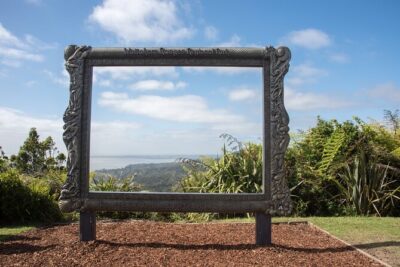
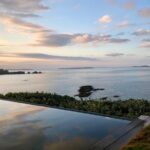
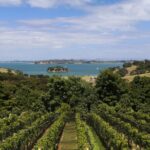
Before you get into the deeper cultural sites, you’ll get an orientation around Waiheke with stunning sea views across the Hauraki Gulf, Auckland City, and out to the Pacific Ocean. This is more than scenery. It helps you understand where the island sits in relation to Auckland, trade routes, and the wider seascape that has shaped life here.
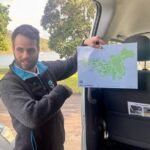
If you’re a first-timer on Waiheke, this start point is smart. You’ll come to later stops with a map in your head, not just a vague sense of directions.
Beaches, Views, and the Stories That Turn Them Into Places
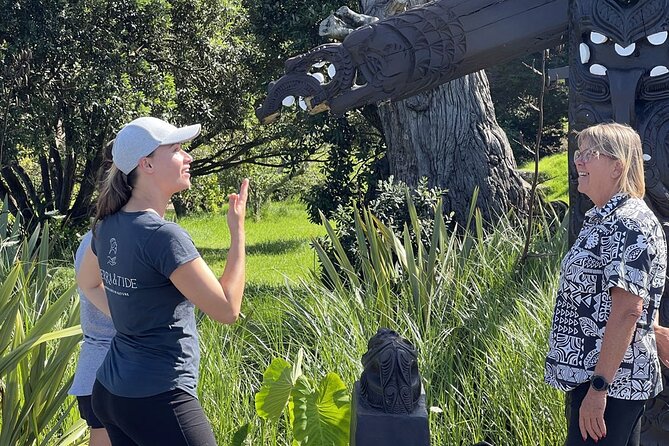
Waiheke is famous for beaches, but this tour uses them as story anchors. You’ll visit pristine white sand beaches and hear history and stories tied to what you’re seeing. It’s the difference between looking at sand and understanding why people chose to be there.
Expect the coastal talking points to connect back to Māori life and the meaning of place. That can include how communities used the environment and how specific areas fit into older patterns of settlement, movement, and survival. Even if you’re not a trivia collector, you’ll likely find the talk makes the shoreline feel more personal.
One practical note: beach time tends to mean sun and wind. Bring sun protection and something for breezes, even if the day looks warm in Auckland.
Carving, Traditional Tattooing, and Te Reo Māori: Culture With Context
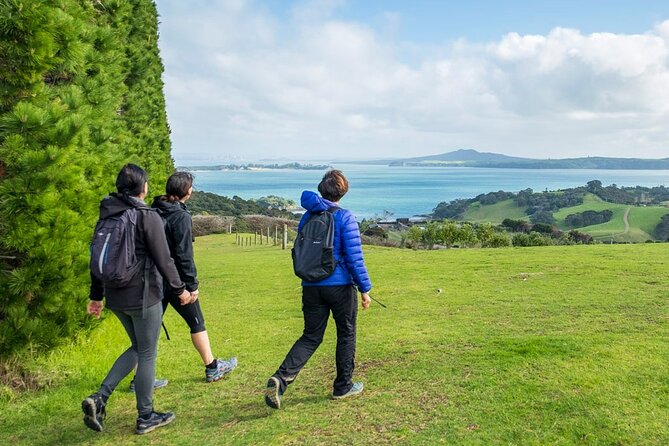
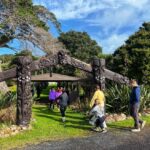
This is the core “heritage” part of the day. You’ll visit a focal point of the Māori community on Waiheke and learn why carving matters, along with the significance of traditional tattooing. You’ll also hear about the revitalisation of Māori language (te reo Māori) and how colonisation impacted Māori people.
Here’s why I think this section is valuable for most visitors. It doesn’t present culture as something sealed in the past. It frames traditions as living knowledge—carried, practiced, and re-strengthened over time. When a guide explains the meaning behind carving and tattooing, you’re not just learning what it looks like. You’re learning what it communicates: identity, lineage, and belonging.
It’s also where the day can feel most emotionally grounded. Colonisation isn’t discussed as an abstract textbook topic. It’s tied to real people and real outcomes, which gives the rest of the tour more weight.
A respectful heads-up about Māori community sites
Based on feedback from past visitors, it’s important to set expectations: you can’t assume you’ll be able to enter a Māori marae or community building just because it’s visible. A proper welcome (powhiri) is a formal process, and it isn’t something a visitor can simply walk into at any time. You can still learn a lot from seeing and being taught about the place, but the doors may not be open.
If your dream is to experience a powhiri directly, plan for that to be a separate, scheduled event, not something this tour promises.
You can also read our reviews of more historical tours in Waiheke Island
Native Bush Walk: Medicinal Plants and Living Knowledge
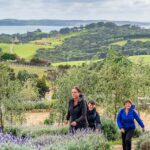
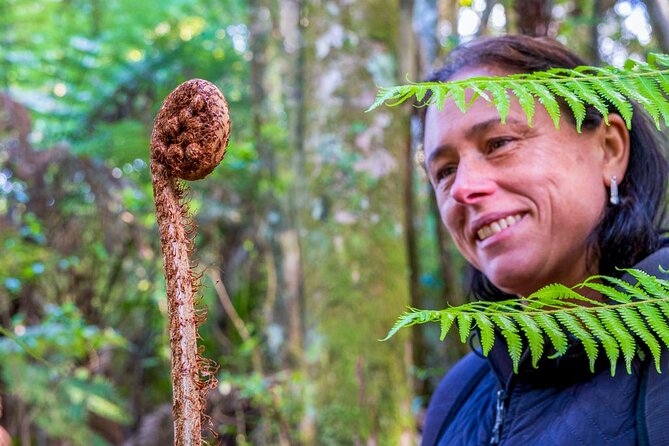
After the coastal parts, you’ll move into native bush for a guided walk. This is one of my favourite sections on tours like this because it’s where the learning shifts from stories to the environment itself.
Your guide explains traditional and medicinal Māori uses of native plants. That means you’re not just watching trees. You’re learning what they were used for, why they mattered, and how knowledge was built from careful observation.
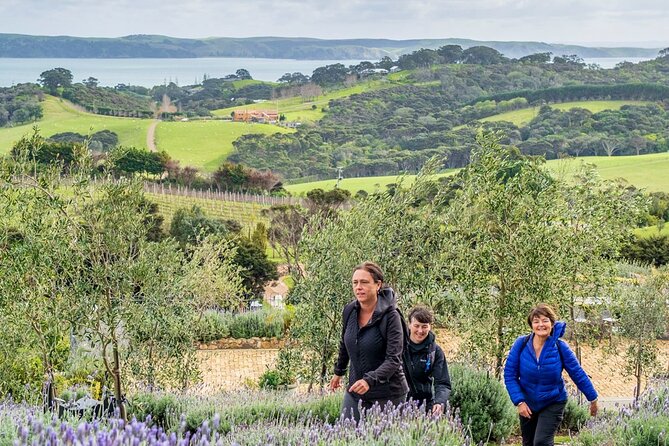
This is also a good spot for bird-spotting. You’re likely to see native birds such as tui, kereru, and piwakawaka. Even if you don’t get every sighting, the guide’s focus will make the walk feel purposeful.
Practical tip: native bush walks can be uneven. Wear shoes you trust on roots and stones, and bring a layer for shade and moving air.
Up to the Pa Summit: Kumara Pits, Shell Middens, and Defensive Terraces
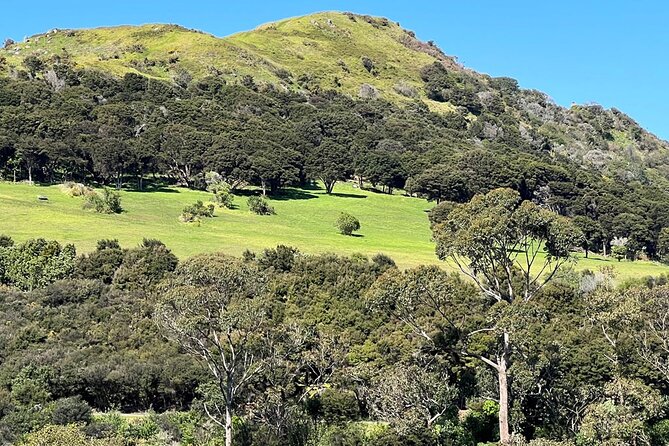
The walk culminates at the summit of a pa site with archaeological remains. This is where the day connects cultural learning to physical traces you can actually see.
You’ll visit areas with kumara pits, shell middens, and defensive terraces. Those details matter. Kumara pits point to food storage and cultivation patterns. Shell middens show how communities used coastal resources over time. Defensive terraces hint at why these sites were built where they were—proximity to resources and the need to protect people and supplies.
You don’t have to be an archaeologist to appreciate this part. A good guide helps you read the features in plain terms, so the remains become evidence of everyday choices, not just old stones.
This is also the part of the day that feels most “off the beaten path.” You’re not standing in a postcard spot waiting for your turn. You’re reaching a site and hearing how it fits into a longer story of place.
Birds, Breath, and How the Day Flows Back to the Wharf
The day is planned to end with you back at the wharf in time for the return 4pm ferry. That timing is practical: it gives you a full six hours without turning the day into a scramble.
If you want to keep exploring, there’s an option to be dropped in Oneroa and then make your own way back to the ferry. You can walk for about 15 minutes or take a short bus ride. That’s useful if you want time for a café, a beach wander, or a slow souvenir browse.
A private group also makes the flow feel different. You’re less likely to be herded. You can ask follow-up questions as you go, instead of waiting for the next stop.
Price and Logistics: When $465.43 Feels Fair (and When It Doesn’t)
Let’s talk value, because this is where people get stuck.
You pay $465.43 per person for a private tour with an expert local guide for around six hours. The big inclusion is the guide. Everything else that usually costs money on Waiheke—like the ferry and your meal—is separate.
Not included:
- Ferry to/from Waiheke Island
- Lunch
- Alcoholic tastings (wine and olive oil tasting are optional, and the cost won’t exceed $50)
Included:
- Expert local guide
Ferry note: ferry tickets can be purchased through the provider for $42 per adult return. If you already plan your ferry tickets, you can still use that number as a rough budget guide.
So when does the price feel fair?
- If you want a private, guided, Māori-focused day with stops that go beyond viewpoints
- If you care about the “why” behind carving, tattooing, te reo, and land use
- If you want the pa summit and native bush learning without figuring it out on your own
When might it feel steep?
- If you mainly want beach time and photo stops
- If your priority is formal marae access like a powhiri (since that depends on a proper welcome process)
- If your group already has a strong plan for visiting sites and you’d rather self-guide
What Lunch and Optional Tastings Add to the Day
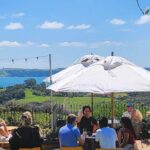
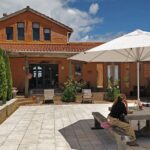
Lunch is at a local café. The day also gives you a chance to add optional tastings, like wine and olive oil (with an optional cost that won’t exceed $50). Since lunch isn’t included in the tour price, treat this as part of your personal budget.
Why I like having lunch built into the schedule: it stops the day from becoming snack-and-stare. After native bush and the pa climb, a proper break helps you keep attention up.
If you’re watching food and drink costs, you can also go simple—grab lunch and skip the optional tastings.
Who This Tour Fits Best
This tour is a great match if you want:
- A Māori perspective that connects traditions to specific places
- A day that balances coastal views with walking in native bush
- Meaningful heritage learning, not a quick cultural stop
It’s less ideal if your goal is:
- Pure beach lounging with minimal walking
- A guaranteed opportunity to enter specific Māori spaces like marae buildings
The good news? Most people can participate, and the pacing is designed for a full day ending with the 4pm ferry.
Should You Book This Waiheke Private History and Heritage Tour?
I’d book it if you want to understand Waiheke as more than scenery. The combination of sea views, white sand beaches, native bush plant knowledge, and pa-site archaeology gives you a well-rounded day that connects environment, culture, and lived experience. The private format also makes it easier to ask questions and get explanations that actually stick.
I’d think twice if your top priority is access to formal marae experiences like powhiri on demand. This tour teaches you a lot about Māori community focal points and heritage, but community access isn’t something a guide can simply switch on.
If you want an island day with real meaning, this one is worth the money.
FAQ
How long is the Waiheke Island Private History and Heritage Tour?
It runs for about 6 hours.
What time does the tour start?
Start time is 9:45am.
Where does the tour meet?
Meet at the Fullers360 Matiatia ticket office, 1 Ocean View Road, Oneroa, Auckland 1081, New Zealand.
Is this tour private?
Yes. It’s a private tour/activity, and only your group participates.
What is included in the price?
The tour includes an expert local guide.
What is not included?
Ferry to/from Waiheke Island and lunch are not included. Alcoholic wine and olive oil tasting is optional.
How much are ferry tickets?
Ferry tickets can be purchased through the provider for $42 per adult return.
Is lunch provided?
Lunch is not included in the price, though you do have a lunch stop at a local café.
Can the tour be extended if I want to stay on the island longer?
Yes. You can be dropped in Oneroa and return to the ferry either by a 15-minute walk or a short bus ride.
What are the cancellation terms?
Free cancellation is available up to 24 hours before the experience start time for a full refund.