REVIEW · WAIHEKE ISLAND
Waiheke Island History and Heritage Tour
Book on Viator →Operated by Terra & Tide · Bookable on Viator
Māori stories on Waiheke feel personal fast. I loved how the day ties Māori heritage to real places—carving, tattooing traditions, and the story of colonisation—while still giving you big Waiheke scenery. I also really enjoyed the native bush walk up to a pa site, with visible archaeology like kumara pits and defensive terraces. One thing to watch: the ferry isn’t included, so your total day cost depends on how you handle transport.
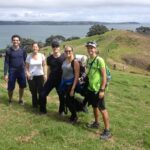
You’ll start at Matiatia and get oriented right away, with sea views over the Hauraki Gulf, Auckland City, and out to the Pacific. The tour runs with a small group (max 12), and the guide-led pace is what makes it work—on my day it was Justine, and she was the kind of guide who can answer the small questions that pop up when you’re standing in the right place.
Time-wise, it’s built around the return ferry at 4pm. That’s great if you like a clean, finished day. If you want to linger, you can be dropped in Oneroa and head back by a short walk or bus ride.
In This Review
- Key things I’d plan for
- Getting your bearings from the Matiatia ticket office
- Oneroa as your practical base (and where the day can pivot)
- The Māori perspective stop: carving, ta moko, and language revitalisation
- Native bush walk: medicinal plants and real learning time
- Pa summit and archaeology you can picture: kumara pits and shell middens
- Beaches and sea views: pristine sand with an added layer of meaning
- Lunch, coffee, and optional extras (wine and olive oil)
- Price and value: what you’re paying for on Waiheke
- Who should book this day on Waiheke?
- Should you book this Waiheke history and heritage tour?
- FAQ
- How long is the Waiheke Island History and Heritage Tour?
- What time does the tour start?
- Where do I meet for the tour?
- Is the ferry to and from Waiheke included?
- Is lunch included?
- Does the tour include wine or olive oil tasting?
- How big is the group?
- Where does the tour end?
- Is there a mobile ticket and how do I confirm my booking?
- What is the cancellation policy?
Key things I’d plan for
- Sea-view orientation from the Matiatia area before you head inland
- Māori community focus with carving and traditional tattooing (ta moko) context
- A guided native bush walk with practical medicinal plant knowledge
- Pa-site archaeology you can actually see: kumara pits, shell middens, defensive terraces
- Native birds that you might spot (tui, kererū, piwakawaka) during the walk
- Optional tastings you may add on, like olive oil (AllPress) and wine (Mudbrick)
Getting your bearings from the Matiatia ticket office
The day starts at the Fullers360 Matiatia ticket office (Ocean View Road, Oneroa). Meeting at the ticket office matters because Waiheke travel is all about timing. You’re not just catching a ride—you’re getting set up for a day that runs like a plan, from the first orientation to the 4pm ferry return.
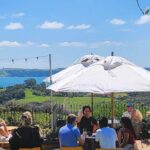
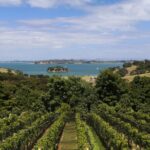
From the beginning, you get the Waiheke viewpoint. The orientation includes sweeping views of the Hauraki Gulf, Auckland City, and the Pacific Ocean. I like this first because it stops you from feeling lost later. Even when the day turns into bush and pa-site archaeology, you still understand where everything sits on the island.
Also, you get a mobile ticket for the experience. That’s a small detail, but it tends to make check-in smoother when you’re also juggling ferry timing.
You can also read our reviews of more historical tours in Waiheke Island
Oneroa as your practical base (and where the day can pivot)
You’ll stop in Oneroa during the tour route. Oneroa is the main village, and that’s useful for two reasons. First, it gives you a real-world sense of where people live—not just a postcard beach. Second, it gives you a natural option if you decide you want more time on the island.
In fact, the tour is designed so you can either return to the wharf with the group in time for the 4pm ferry, or you can be dropped in Oneroa and make your own way back. The option matters if you’re the type who likes a last-minute coffee, a longer beach break, or some browsing.
From a comfort standpoint, I also appreciate that the route keeps the day manageable. You’re not spending your entire afternoon locked in a long transit shuffle across the island.
The Māori perspective stop: carving, ta moko, and language revitalisation
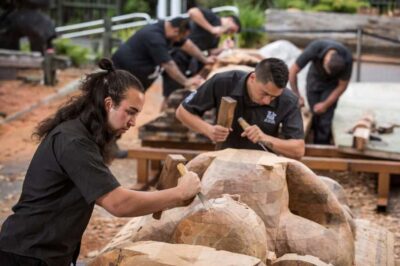
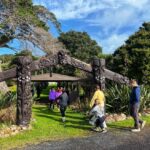
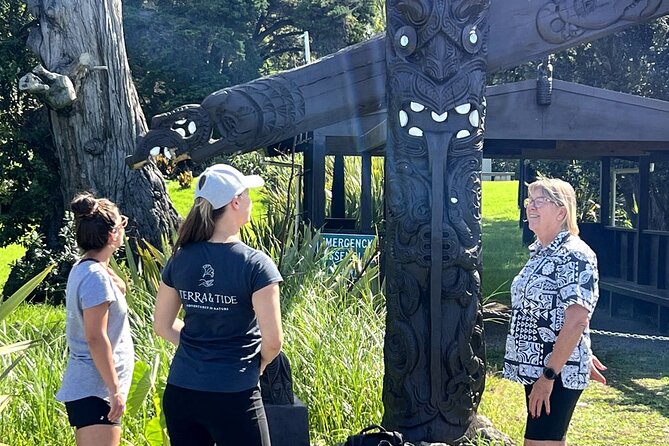
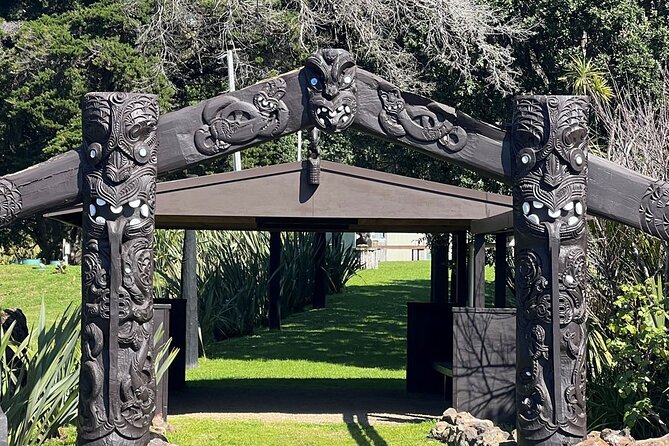
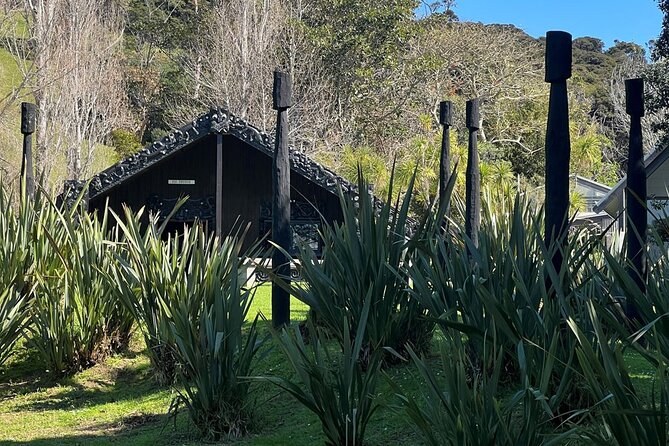
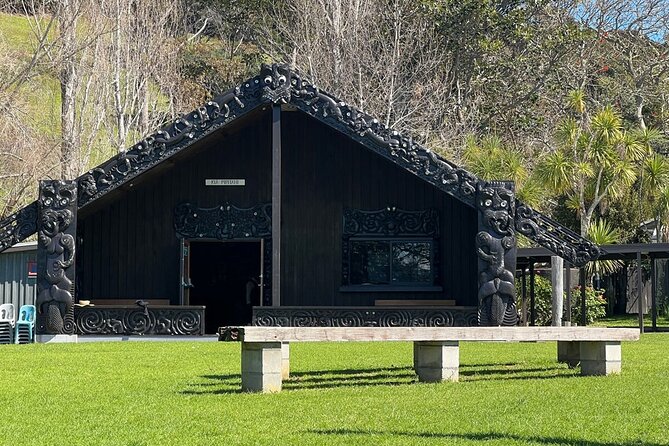
This is the heart of the experience. The tour takes in Waiheke through a Māori lens, with a visit to the focal point of the Māori community on Waiheke. You’ll hear stories that connect specific sites to Māori culture—especially around carving and traditional tattooing (ta moko).
What I like about this approach is that it’s not just about art forms as objects. You get the meaning behind them: why these practices matter, and what it means to keep culture alive when the impacts of colonisation still shape communities today. The tour also highlights the revitalisation of Māori language, which gives you a sense of continuity rather than a history that only lives in the past.
A good guide here doesn’t rush. On my day, the information felt anchored in place, and that’s why the visit lands. You’re standing on an island with living culture, not just touring “heritage” in the abstract.
If you care about cultural context—stories of identity, resilience, and how communities adapt—this is the part you’ll remember when the scenery fades.
Native bush walk: medicinal plants and real learning time
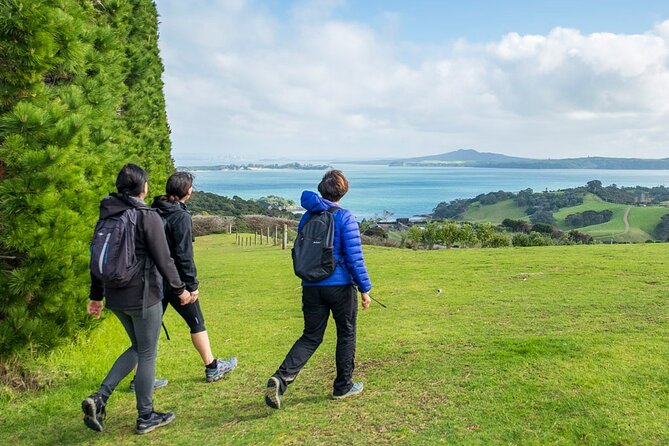
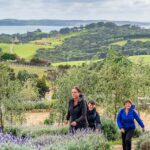
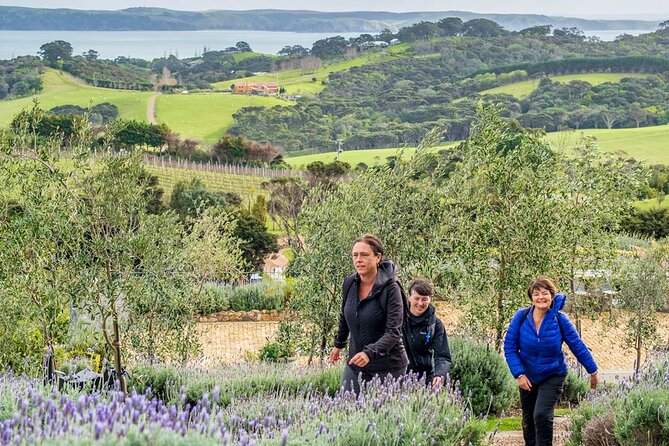
After the community-focused storytelling, the tour shifts into a guided walk through native bush. This is one of the best ways to understand Waiheke, because it swaps out the easy views for the slower, more detailed ones: leaves, texture, and the logic of how plants were (and still are) used.
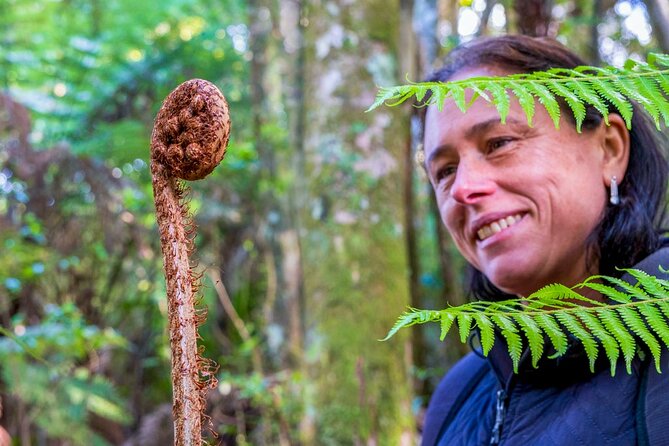
Your guide explains traditional and medicinal Māori uses of native plants. I found this kind of information sticks better when you’re walking past the plants being discussed. Instead of learning names in a classroom, you’re connecting the use to the environment.
And it’s not just plant talk. You’ll likely see native birds during the walk—tui, kererū, and piwakawaka. Even if you don’t spot all of them, the fact that birdwatching is built into the route is a reminder that this isn’t a generic nature stroll. It’s a living ecosystem lesson.
Practical note: this is still a walking experience. Most travelers can participate, but you’ll want shoes you trust on uneven ground, plus sun protection. The tour length is about six hours, and part of that time is spent outside.
Pa summit and archaeology you can picture: kumara pits and shell middens
One of the most satisfying moments on the day is reaching the summit of a pa (fortified village) site with archaeological remains. The guide points out features like kumara pits, shell middens, and defensive terraces.
Here’s why this part is valuable. It turns big ideas—community survival, food storage, and strategic defence—into physical shapes you can see. A kumara pit isn’t a museum label; it’s a clue to how people stored seasonal crops. Shell middens help tell you where people gathered and ate, and how the coast supported island life. Defensive terraces speak to how the land itself was used.
This is the kind of stop that makes your brain connect scale and function. You start to see the island as a system, not a set of attractions.
If you like history but dislike lectures, this style works well. The guide is there to explain, but the site does a lot of the teaching.




Beaches and sea views: pristine sand with an added layer of meaning
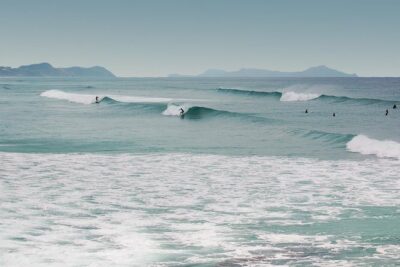
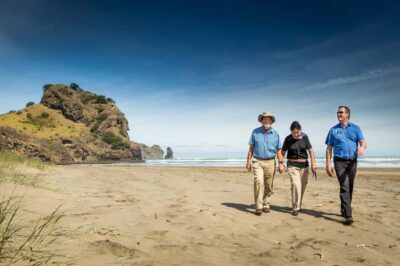
The tour includes visits to pristine white sand beaches. You get the classic Waiheke reward—bright water, wide coastline, and the sense that the island is made for day trips.
But the key difference here is that the beaches aren’t treated as a break from learning. They fit into the broader Waiheke story, with the guide sharing histories and place-based accounts as you move.
So yes, you’ll get your beach time. You’ll also understand that the coastline mattered for reasons beyond recreation: it’s part of the cultural geography of the island.
Lunch, coffee, and optional extras (wine and olive oil)
You’ll stop for lunch at a local café with food and coffee. Lunch itself isn’t listed as included, so you should plan to pay for your meal. The good news is that this keeps the day from turning into a “pack your own” slog on a six-hour schedule.
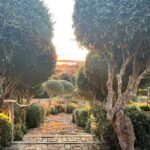
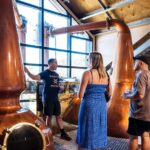
You may also have the chance to add tastings—wine and olive oil tasting are not included. In past days, guests have had experiences like olive oil tastings at AllPress and wine tastings around Mudbrick. If you want to include them, think of this tour as your structure: the guide helps you move through the day, and you choose how much extra indulgence you want.
My advice: decide what you’re prioritising before you arrive. If you want tastings, keep room in your schedule and don’t overcommit to big lunches. If you’d rather keep it lean, use lunch as the one paid meal and spend the rest of your budget on the main guided experience.
Price and value: what you’re paying for on Waiheke
At $381.65 per person, this isn’t a “cheap and cheerful” day trip. So the value question is fair.
What you’re paying for:
- A local expert guide who can interpret cultural sites, native plants, and pa archaeology in a way that makes sense
- A focused route that prioritises Māori heritage and the land itself, not just viewpoints
- A small group size (max 12), which usually means more time for questions and less rushing
The other cost to account for is the ferry. Ferry tickets to/from Waiheke are $42 per adult return (purchasable from the tour at that price). Add that in and you get a more realistic total for the day.
If you want a standard “see the highlights” Waiheke tour, you can likely find less expensive options. But if you specifically want the island explained from a Māori perspective—plus real walking time in native bush—this one has a clear reason for its price.
Who should book this day on Waiheke?
Book this tour if you:
- Want Waiheke beyond scenery, with Māori-led stories and cultural context
- Enjoy walking with a purpose (native bush and pa-site features), not just strolling
- Like history you can see in the ground—kumara pits and shell middens make the past physical
- Prefer a small group tour with time for guide questions
Skip it or rethink if you:
- Want a mostly beach-and-wine afternoon with minimal walking
- Are strongly budget-limited once you factor ferry + lunch + optional tastings
This day works well as a first-or-second stop on Waiheke. If you start with it, you understand the island’s meaning faster, and everything else you do later feels more grounded.
Should you book this Waiheke history and heritage tour?
I’d book it if you’re the type who likes learning that changes how you look at places. The combination of cultural storytelling, medicinal plant explanations, and pa-site archaeology is a strong set of reasons to go. Add in the sea-view orientation and the chance to see native birds, and you’ve got a full day that feels purposeful rather than random.
On the practical side, make sure you plan your ferry and budget for lunch and any extras. When you do, this tour is a satisfying way to spend six hours on Waiheke—one that feels connected to the island, not just visiting it.
FAQ
How long is the Waiheke Island History and Heritage Tour?
It runs for about 6 hours.
What time does the tour start?
Start time is 9:45am.
Where do I meet for the tour?
You meet at the Fullers360 Matiatia ticket office, 1 Ocean View Road, Oneroa, Auckland 1081, New Zealand.
Is the ferry to and from Waiheke included?
No. Ferry tickets are not included. Return ferry tickets can be purchased from the provider for $42 per adult.
Is lunch included?
Lunch is not listed as included. The day includes a lunch stop at a local cafe.
Does the tour include wine or olive oil tasting?
Wine and olive oil tasting are not included.
How big is the group?
The tour has a maximum of 12 travelers.
Where does the tour end?
It ends back at the meeting point. You’ll also be dropped back in time for the 4pm ferry. If you prefer, you can be dropped in Oneroa and return by a 15-minute walk or a short bus ride.
Is there a mobile ticket and how do I confirm my booking?
You’ll receive confirmation at booking, and the tour uses a mobile ticket.
What is the cancellation policy?
You can cancel for free up to 24 hours before the experience starts for a full refund. If you cancel less than 24 hours before, the amount paid is not refunded.