REVIEW · WAIHEKE ISLAND
The Boutique Experience: Waiheke Best Cellar Tour (11 guests max)
Book on Viator →Operated by The Wine Tasting Company · Bookable on Viator
This tour turns Waiheke into a tasting route, not a bus chore. With a max group size (often 11 people) and a 5.5-hour rhythm, you get multiple vineyard visits, lots of photo breaks, and live commentary about island life, wine, olives, and even the godwits that stop here on their travels. Guides such as Cami, Heidi, Margot, Nydia, and Netta have helped turn the ride into part of the fun.
I especially like the three-vineyard tasting plan. You’re not just doing one quick pour and rushing out the door—you taste a selection of wines across different wineries (about 10–15 wines during the day). I also like that the drive includes photo-friendly countryside stops, so you can catch Waiheke’s beaches, views, and village life between tastings.
One thing to consider: lunch isn’t included in the price. The tour makes the reservation, but you’ll pay for it, and some vineyard presentations can be more indoor-focused than you might expect, depending on the stop.
In This Review
- Key things that make this tour worth your time
- Entering Waiheke with a small van and big island stories
- Photo breaks aren’t an afterthought
- The 5.5-hour pacing: how you get more than one “quick taste”
- Vineyards often start with Postage Stamp (and it’s a great warm-up)
- Mudbrick: scenic views, a serious pour, and a host like Jake
- Casita Miro brings the fun factor (Malbec, focaccia, and food pairings)
- Stonyridge for lunch: views you’ll actually remember (and extra cost you can control)
- How many wines you’ll taste, and how it works if you don’t want wine
- No pressure to buy
- If you’re not drinking wine, you’ll still be included
- Price and real value: what you’re paying for on Waiheke
- Is it worth it?
- Timing and weather: the day depends on conditions
- Who this Waiheke Best Cellar Tour suits best
- Should you book this tour?
- FAQ
- How long is the Waiheke Best Cellar Tour?
- How many wineries do we visit, and how many wines do we taste?
- Is lunch included in the tour price?
- Where do we meet, and what time does the tour start?
- Are ferry tickets included?
- Do you get pickup?
- What’s the group size?
- What if I don’t drink wine?
Key things that make this tour worth your time
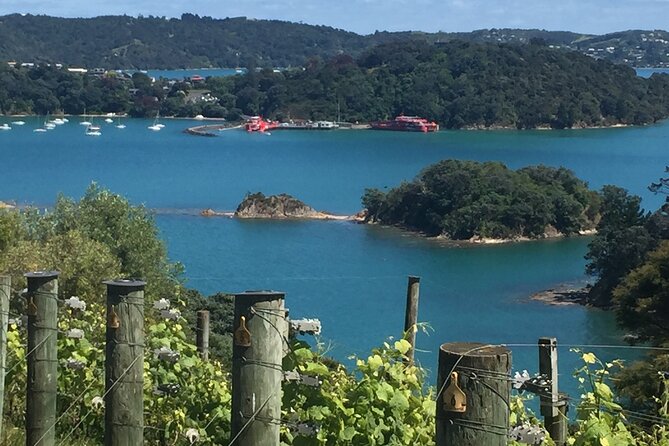
- Boutique size (often just 11 people): easier conversation, less waiting at each stop
- Three winery tastings: usually around 10–15 wines across the day
- Scenic drive plus photo stops: you’re not only sitting in a van until the next tasting
- Local guide storytelling: island nuggets like wine + olives, plus quirky Waiheke tidbits
- Lunch options with real views: commonly at places like Stonyridge (cost extra)
Entering Waiheke with a small van and big island stories
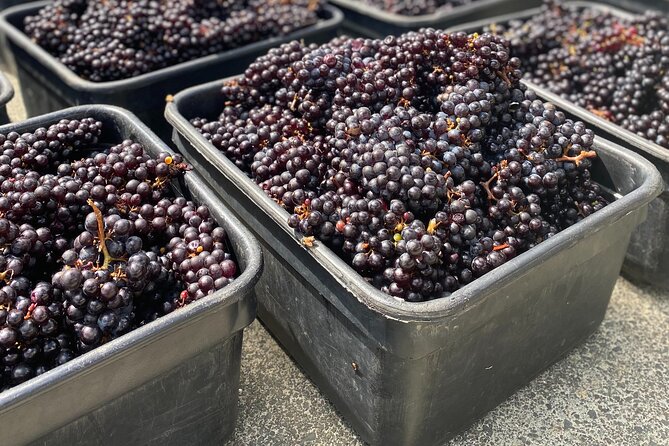
Waiheke works best when you slow down a bit, and this tour does that. Starting at Matiatia Wharf at 10:40am, you roll out on a comfortable, air-conditioned vehicle while your guide sets the scene for what makes the island tick. The whole day is built around moving between vineyards, but the drive is also part of the experience.
The best part is the human touch. Guides like Cami and Heidi are known for giving you context without turning it into a lecture. You’ll hear about Waiheke’s wine and olive culture, and you’ll also get those odd little details that make the island feel real—like the godwits stopping here during migration.
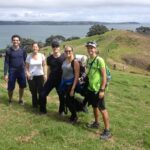
This is also a good format if you’re traveling solo. The small group size keeps you from feeling like you’re just hovering at the edge. You get the chance to meet people naturally between tastings, then shift into tasting mode without the awkwardness of large group tours.
You can also read our reviews of more tours and experiences in Waiheke Island.

Photo breaks aren’t an afterthought
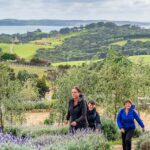
One of the underrated perks is that the route includes time for photo opportunities. You’re not sprinting out of the van for a two-second view. You’ll have stretches of countryside where it’s easy to pull out your phone or camera and actually frame something.
If you care about photos, aim to keep your hat, sunglasses, and sunscreen handy. Waiheke sun can be strong even when the morning starts a bit damp.
The 5.5-hour pacing: how you get more than one “quick taste”
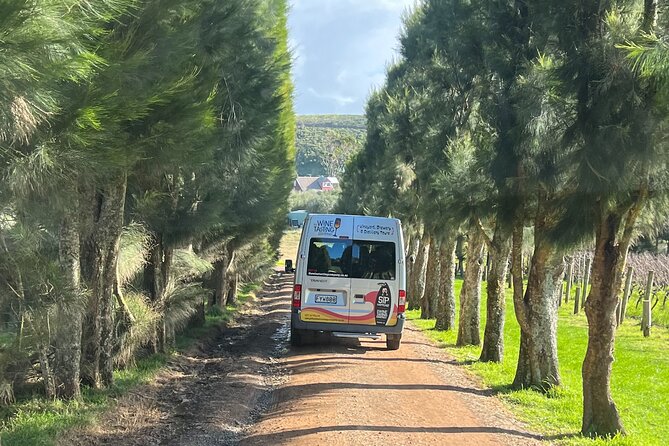
This tour runs about 5 hours 30 minutes. That timing matters. Too-short tours can feel like you barely get your bearings. Too-long ones can turn into travel fatigue. Here, the day is structured so you spend most of it either tasting, walking the property briefly, or enjoying the ride and viewpoints.
You’ll visit three boutique vineyards for tastings, with hosts guiding you through what you’re tasting and what makes each winery different. Many people also spend some time browsing or chatting with the tasting-room staff if the schedule allows, and you’re usually not pushed to buy anything before you’re ready.
A practical note: since lunch is extra, you should treat the day like a full outing, not a light afternoon. If you’re prone to getting hungry, plan snacks for the ferry ride or early in the day, and then let lunch be your real meal.
Vineyards often start with Postage Stamp (and it’s a great warm-up)
One common pattern is that the day begins at Postage Stamp. If that’s your first stop, you’ll likely find it’s a smooth introduction to Waiheke winemaking—friendly, organized, and very easy to settle in.
A big reason this stop works is the social layout. Groups have sat together for tastings at Postage Stamp, which makes it simpler to compare notes with the people in your van without feeling like you’re in a silent showroom. The winery also tends to be a good place for group photos because everyone is already in the same tasting flow.
What to watch for: depending on timing, you may get a tasting that feels a bit quick. Some people felt there wasn’t as long a stretch as they’d hoped. If you love the details—like the differences between bottles and the winery’s approach—show up with curiosity and ask questions. The host will usually steer you toward what to pay attention to.
If Postage Stamp isn’t first on your date, don’t worry. It still tends to be one of the winery names you’ll hear in the overall tasting lineup.
Mudbrick: scenic views, a serious pour, and a host like Jake
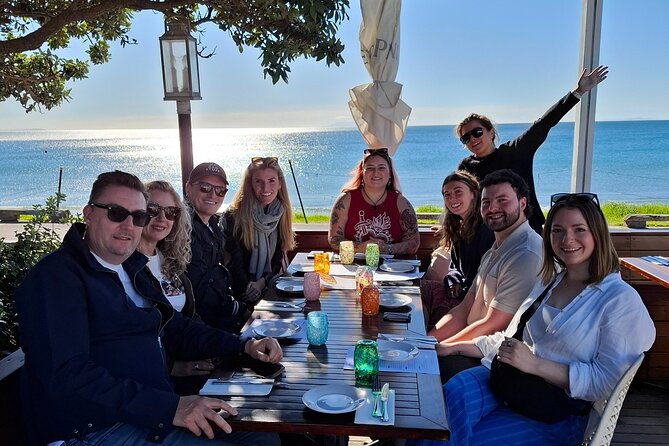
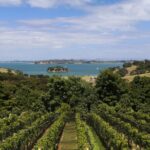
Mudbrick is frequently part of the route, sometimes even as the last tasting stop. People go out of their way to mention the setting—especially the views, which can feel like you’re tasting with the ocean in the background.
It also helps that Mudbrick has a reputation for strong, easy-to-love wine picks. One specific highlight that shows up often is Sauvignon Blanc, with the tasting described as a standout.
There’s also a very practical element: you’ll meet a wine expert at the winery. In at least one experience, a host named Jake helped set the tone and made the tasting feel fun rather than formal.
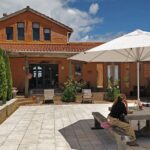
One consideration to keep in mind: not every stop will feel equally “outdoors.” Some people didn’t love a more indoor or greenhouse-style presentation at Mudbrick, mainly because there wasn’t much seating where you could relax comfortably. If outdoor seating is a priority for you, ask your host early in the tasting. If the weather turns, you’ll still be fine—you just might want to adjust expectations about where you’ll sit and linger.


Casita Miro brings the fun factor (Malbec, focaccia, and food pairings)
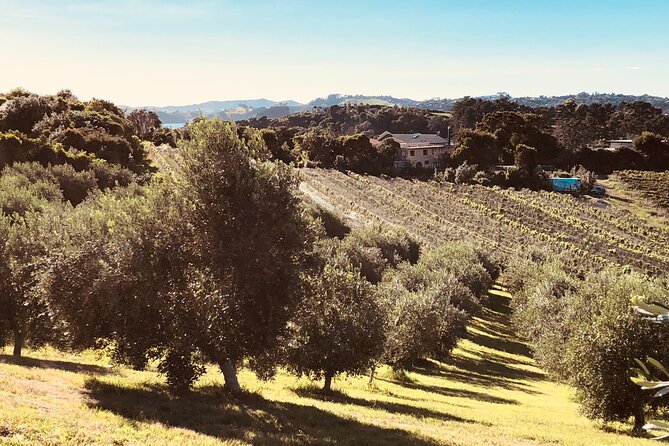
If you want a winery stop that feels more like a playful food-and-wine event, look out for Casita Miro. One recurring theme is that it’s the place people describe as fun and memorable—less stiff, more hands-on.
In particular, Casita Miro has shown up with tastings that pair wine with small bites. The details that stood out include Malbec, focaccia bread, and simple food pairings that make it easier to understand the flavor match. If you like when the tasting becomes a small experience—almost like a mini meal—this is the stop to pay attention to.
Also, if you’re the type who enjoys quirks, Casita Miro often gets labeled as the most unusual-feeling vineyard visit of the day. That can be a relief when the first two tastings feel a bit similar.
Stonyridge for lunch: views you’ll actually remember (and extra cost you can control)
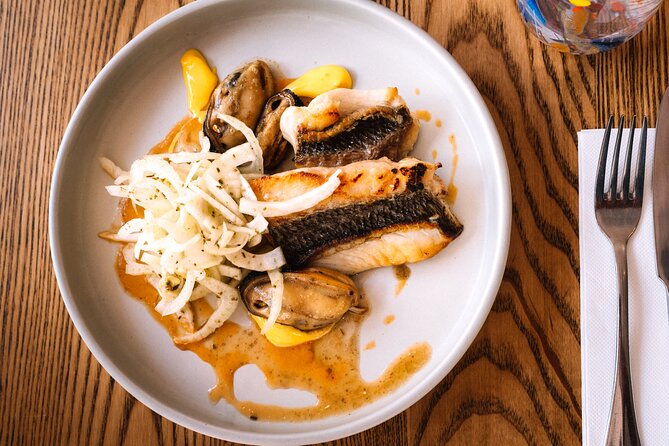
Lunch is where you get flexibility, and that’s a big part of the tour’s value. The tour includes a lunch stop at a vineyard or beachside restaurant, but the cost of lunch isn’t included. The company arranges the reservation for you.
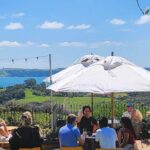
Stonyridge is a frequent lunch pick. People describe it as having incredible views, and they’ve called the food delicious and good value for the setting. If you’re trying to decide whether the extra lunch cost is “worth it,” Stonyridge is usually the argument in favor: you’re paying for location, not just a meal.
You’ll also want to decide in advance what you want from lunch:
- If you want a long sit with a view, aim to treat lunch as your decompress moment.
- If you’re only going to eat quickly, keep it simple and let the wine day stay the focus.
One smart detail: some experiences note you can be dropped back in Oneroa after the tour so you can handle your own food. That’s helpful if you want a specific café or you’re traveling with non-wine priorities. Just remember the tour still runs on a timed route, so use the option only if it fits your schedule.
How many wines you’ll taste, and how it works if you don’t want wine
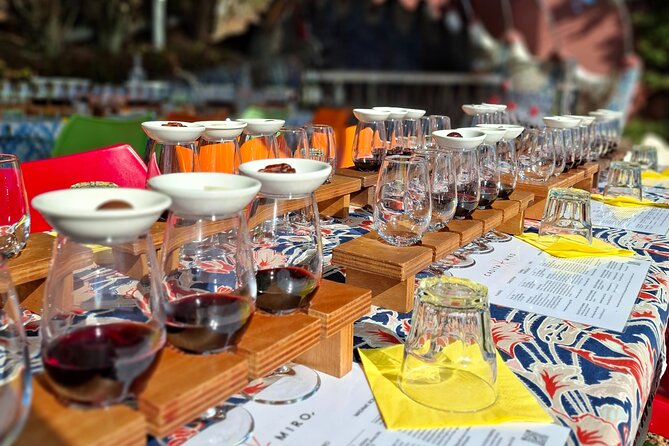
This isn’t a one-glass-and-out situation. You should plan on tasting across three vineyards, with many experiences totaling 10–15 wines during the day. That’s a lot of sampling in one outing, so it helps to take it in steps.
Start by thinking like a food taster, not like a judge. You don’t need to identify every grape perfectly. Instead, focus on what you like: crisp whites, fruit-forward reds, or something that feels balanced and fresh.
No pressure to buy
You won’t be forced into purchases. Bottles are available, and you can absolutely buy if something clicks, but people have described the experience as non-pushy. That matters because a tasting should feel like exploring, not selling.
If you’re not drinking wine, you’ll still be included
One very practical reassurance from experiences: if you’re a non drinker, you won’t just sit there awkwardly. Non-wine options like hot drinks and refreshments have been offered at wineries. So the day can still work even if you’re going for scenery, stories, and the overall Waiheke experience rather than alcohol.
Price and real value: what you’re paying for on Waiheke
The tour price is $129.70 per person, and it’s about 5 hours 30 minutes. That price covers the big-ticket parts you’d otherwise have to stitch together: the guided tastings across three vineyards, the use of an air-conditioned vehicle, and live commentary by a local guide. It also includes GST.
What’s not included:
- Lunch cost
- Ferry tickets, listed as NZ$62 per person
So the true planning math is: you’re paying for the island transport to get you to tastings plus your ferry ride, then paying for lunch separately. When people add lunch into the total, the overall amount can end up close to other options, but with the advantage here of a small-group vibe and more flexibility about where you eat.
Is it worth it?
If you want a focused wine day that also gives you real island context, the value is strong. Especially if you like variety—different wineries, different tasting styles, and a route that includes photo stops and countryside time.
If you already plan to visit vineyards on your own and you’re okay with driving everywhere (and finding parking and reservations), you might feel less urgency to book. But if you’d rather spend your energy tasting and looking at views instead of navigating, this tour makes that easy.
Also, the small group size affects your experience. Less waiting means more time at the wineries. More time at the wineries means tastings that actually feel guided and relaxed.
Timing and weather: the day depends on conditions
This tour requires good weather. If weather turns bad, you’ll be offered a different date or a refund. That’s normal for Waiheke, where you’re spending time moving around outdoors and between scenic stops.
The practical takeaway: pack for changing conditions. Bring a light layer for the morning and something wind-friendly if you tend to get cold in vans or near the water.
Who this Waiheke Best Cellar Tour suits best
This is a great fit if:
- You want three vineyard tastings without driving
- You like guided storytelling with local details (wine, olives, island life, and those quirky notes)
- You want a small group so the day feels personal, not rushed
- You’re happy to pay for lunch separately to get the right place and views
It may be less ideal if you:
- Want a fully included meal price with zero extras
- Need a strict indoor-only environment at every winery stop
- Plan to drink heavily and expect a long, slow pace—this day is timed to keep multiple tastings moving
Should you book this tour?
If your goal is a well-paced Waiheke wine day—with three boutique tastings, scenic photo breaks, and a guide who makes the island feel like more than a winery stop list—then I think you should book it.
Just go in with two expectations set: lunch is extra, and the tasting experience may vary by winery setup (indoor vs outdoor). If you can work with that, you’ll get a day that feels friendly, photo-ready, and genuinely worth the ferry time.
FAQ
How long is the Waiheke Best Cellar Tour?
It’s about 5 hours 30 minutes.
How many wineries do we visit, and how many wines do we taste?
You visit three vineyards for wine tastings, with about 10–15 wines tasted during the day.
Is lunch included in the tour price?
Lunch is not included. The lunch stop is arranged, but the cost is paid separately.
Where do we meet, and what time does the tour start?
You start at Matiatia Wharf, Ocean View Road, Oneroa, Waiheke Island, and the start time is 10:40am.
Are ferry tickets included?
No. Ferry tickets are listed separately at NZ$62 per person.
Do you get pickup?
Pickup is offered.
What’s the group size?
This experience is described as an 11 guests max boutique tour, and the activity info also lists a maximum of 22 travelers.
What if I don’t drink wine?
You won’t be treated differently in a way that ruins the day. Non drinkers have been offered hot drinks and refreshments at wineries, and people have noted there’s no pressure to buy wine.