REVIEW · WEST COAST BEACHES & RAINFOREST TOURS
Nocturnal Wonders Tawharanui Kiwi Spotting and Stargazing Tour
Book on Viator →Operated by Social Nature Movement · Bookable on Viator
Kiwi watching after dark feels like a secret skill. This 3-hour small-group tour in Tawharanui Regional Park turns native bush nighttime sounds into a practical hunt for North Island brown kiwi and other nocturnal wildlife, then caps it with stargazing far from city glare. You get a walking-focused experience that’s built for asking questions, not sitting quietly and hoping.
What I like most is the way the timing works: you’re out when the park is naturally awake, and your guide keeps you looking for real clues along the route. I also like that the night-sky part uses provided gear (telescopes and binoculars) so you can actually see more than just general dots. One consideration: this outing depends on good weather, and you’ll be walking in the dark on uneven natural ground.
In This Review
- Key highlights you’ll feel right away
- Tawharanui Regional Park after dark: why night changes everything
- The 3-hour rhythm: kiwi hunting, then stargazing
- Kiwi discovery at twilight: what you’re actually trying to spot
- The stargazing site: telescopes, binoculars, and real context
- Small-group size: why max 10 feels different
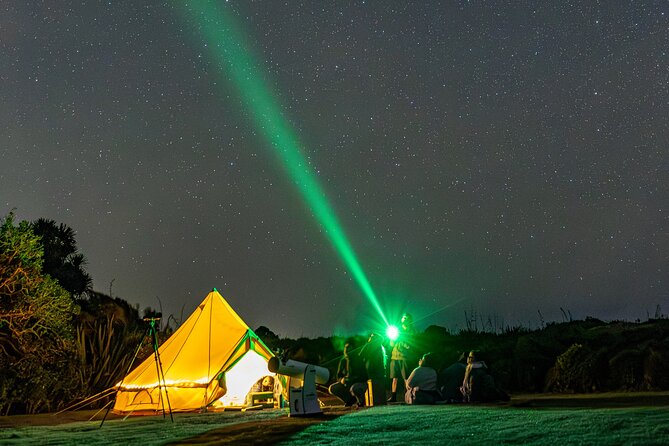
- Glamping tents: when you want the night to last longer
- Value for $93.09: what you’re paying for
- Weather and night conditions: the only real wildcard
- Where you meet and how the tour ends
- Who should book this kiwi and stars tour?
- Should you book Nocturnal Wonders in Tawharanui?
- FAQ
- How long is the Nocturnal Wonders Tawharanui Kiwi Spotting and Stargazing Tour?
- Where does the tour start?
- How much does it cost?
- How many people are in the group?
- What can I expect during the kiwi part?
- What equipment is provided for stargazing?
- Where does the stargazing take place?
- Is admission included?
- Is glamping available?
- What if the weather is bad or I need to cancel?
Key highlights you’ll feel right away
- Small-group cap (10 max) means more time for your questions
- Kiwi discovery at twilight focuses on reading traces and signs, not just luck
- Telescopes and binoculars make the stars part more than a quick glance
- A secluded stargazing site in the park helps reduce light pollution effects
- Indigenous astronomy stories give the constellations extra meaning
- Glamping option lets you turn the night into a longer stay (with campsite fees separate)
Tawharanui Regional Park after dark: why night changes everything
Tawharanui Regional Park is already a strong wildlife spot in daylight. At night, it becomes something else—more about listening, patience, and reading the landscape in a way you don’t do in the morning. Instead of the usual view of trees and tracks, you’re working with sound cues, movement, and the tiny signs animals leave behind.
That’s the point of this tour format. You’re not just transported somewhere pretty. You’re guided through a native bush experience where your attention shifts to what’s active after dark. And because the group stays small, you’re able to slow down and actually notice what matters.
If you like nature evenings that feel active and personal, this fits. If you’re expecting a guaranteed parade of kiwi sightings every time, keep your expectations flexible—night wildlife viewing is always a bit of a question mark.
You can also read our reviews of more tours and experiences in Auckland.

The 3-hour rhythm: kiwi hunting, then stargazing
This tour runs for about 3 hours. It starts at the Tawharanui Regional Park meeting point (1181 Takatu Road, Tāwharanui Peninsula 0986, New Zealand), and ends back there.
The evening has two clear phases:
- Kiwi discovery as twilight descends, guided walking with time to look for traces of kiwi activity.
- Celestial exploration at a secluded stargazing site inside the park, using equipment provided by your guide.
That structure matters because it prevents the common problem with wildlife tours: you either spend the whole time on one thing and miss the other, or you rush too fast to pay attention. Here, you get focused time for kiwi searching first, then a calmer shift to the night sky once you’re back in a stargazing spot.
Also, the tour uses a mobile ticket, so you can keep things simple on the day.
Kiwi discovery at twilight: what you’re actually trying to spot
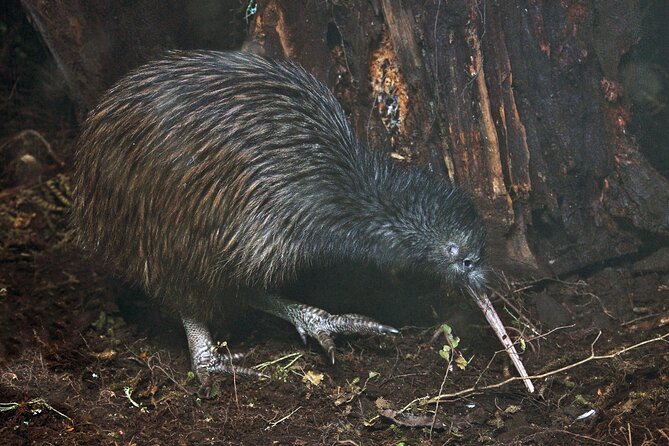
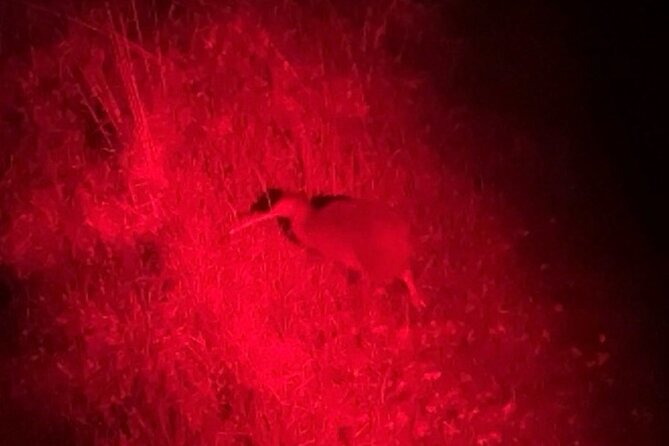
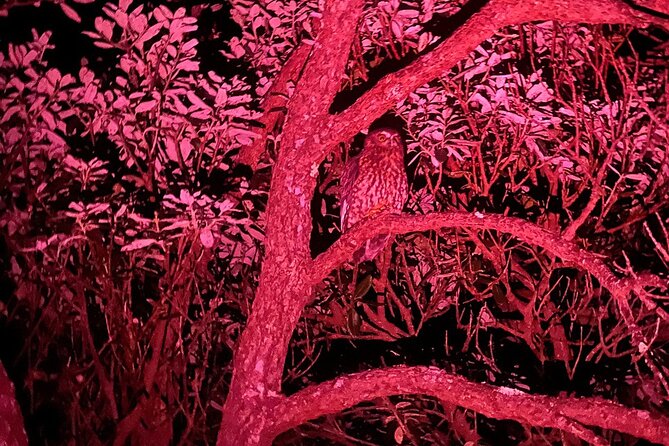
The kiwi part isn’t presented as a checklist of sightings. It’s a guided hunt for evidence—tracks, signs, and other clues that suggest kiwi activity as darkness settles. You follow your guide through native bush, staying vigilant as you look for traces.
You’re specifically in the right habitat for the North Island brown kiwi, one of New Zealand’s most famous birds and also one of its hardest to see on command. That’s why this approach is valuable. A tour that only says, You might see kiwis, leaves you with nothing to do until you happen to find one. This one gives you a job: notice what might indicate kiwi presence.
You’ll also get insights from your guide about the birds along the way. In the kind of small-group setting that holds a maximum of 10 people, you’ll have space to ask real questions without feeling rushed.
One more practical point: twilight-to-night transitions can make it harder to see across the ground. Your best tool is attention, not just eyesight. If you’re willing to slow down and look where your guide asks you to look, your odds of a rewarding experience tend to rise.
The stargazing site: telescopes, binoculars, and real context
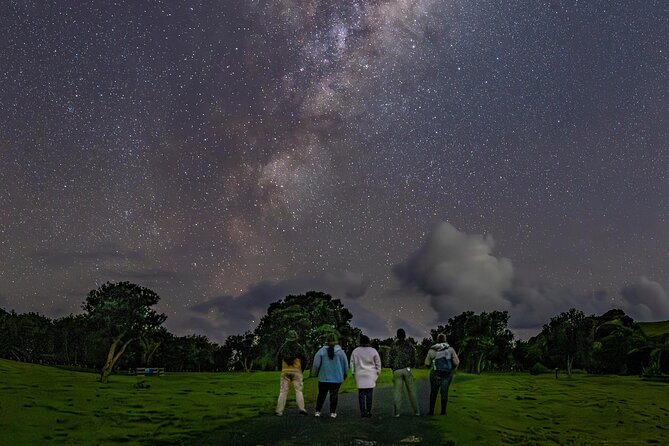
After the kiwi phase, you move to a secluded stargazing site inside the park. The key advantage here is simple: it’s far from city lights. Light pollution can flatten the sky, turning stars into a washed-out scatter. When you reduce that glare, the sky becomes a lot more informative.
Your guide provides specialized stargazing equipment, including telescopes and binoculars. That matters because you’re not just watching the sky go by—you’re using tools to see. When you can switch between telescope and binoculars, you can scan quickly, then zoom in on the objects your guide points out.
You’ll also hear stories tied to indigenous astronomy. That adds something most casual star talks skip: it connects what you see to a way of understanding the sky beyond modern naming. Even if you’re not a star chart person, it gives structure to the night.
Think of this phase as two layers:
- A guided visual experience (equipment + pointing out constellations and sky objects)
- A meaning layer (indigenous astronomy stories that help you remember what you’re seeing)
If you love night photography, you’ll probably enjoy it here too—but the main value is seeing more clearly with help, not getting a perfect photo.
Small-group size: why max 10 feels different
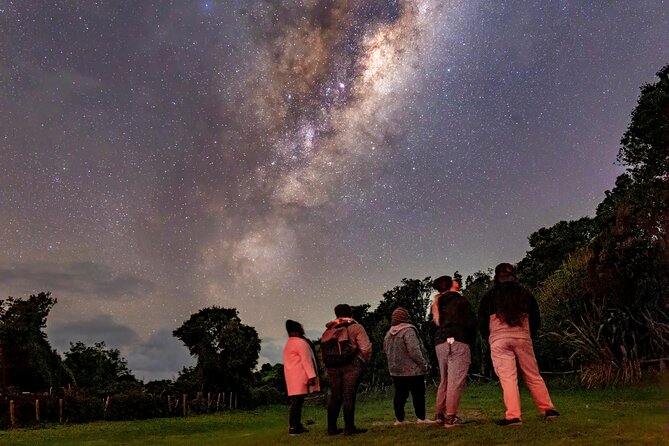
This tour caps at a maximum of 10 travelers. That’s not a random number. It changes how the tour works on the ground.
When the group is small:
- Your guide can stop and reset attention without the whole line getting lost.
- You can ask questions as they come up, especially during the kiwi walk when you’re learning what clues to look for.
- You get a better chance to stay near the front, where you can see where the guide wants you to focus.
The tour also lists a strong theme of question time. In practice, that means you’re less likely to feel like you’re just following instructions and more likely to understand the why behind them.
One name did show up in the feedback: a guide referred to as Justin. That’s a hint that the guiding team has enough personality and expertise to make the night feel friendly and not like a lecture.

Glamping tents: when you want the night to last longer
There’s an optional upgrade that lets you enhance the experience by camping out in glamping tents. This can be a great match if you want your evening to stretch from a short tour into a longer nighttime stay—especially if stargazing is the main draw for you.
The trade-off is also clear: campsite bookings and fees are not included. So you’ll want to plan that separately if you choose the glamping option.
For most people, glamping makes sense for one reason: it reduces the rush. On a 3-hour tour, you’re fitting a lot into one night. If you can stay longer, you can soak in the sky at different times and you’re not forced to wrap everything up at the exact end of the tour window.
If you’re traveling light and want just the guided experience, you can skip glamping and still get both kiwi searching and stargazing in one compact evening.
Value for $93.09: what you’re paying for
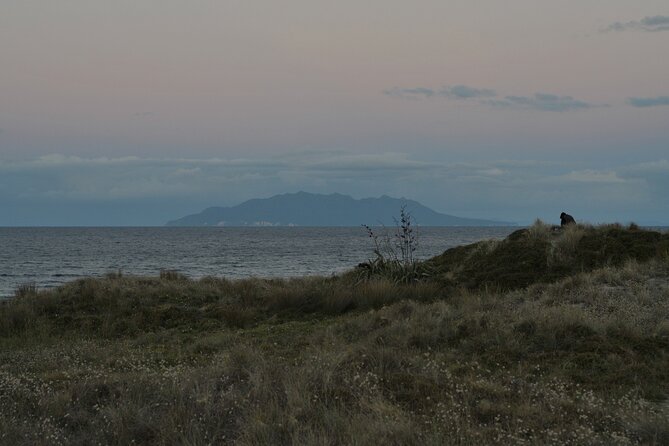
At $93.09 per person for roughly 3 hours, you’re paying for more than a walk in the woods. You’re paying for:
- A guide who leads the kiwi discovery search at twilight
- Specialized equipment for the night sky (telescopes and binoculars)
- A small-group format that supports questions
- An experience where admission is noted as free for this activity
Here’s the practical way to think about value. Wildlife and stargazing both depend on access to the right conditions and tools. This tour is structured around that: it takes you into the park at the right time, and it brings equipment so you can see and learn rather than just guess.
Is it cheap? No. But if your goal is a guided, gear-supported night outdoors experience in Tawharanui, the price-to-hours-to-equipment ratio holds up well—especially with the max 10 group size keeping it personal.
Weather and night conditions: the only real wildcard
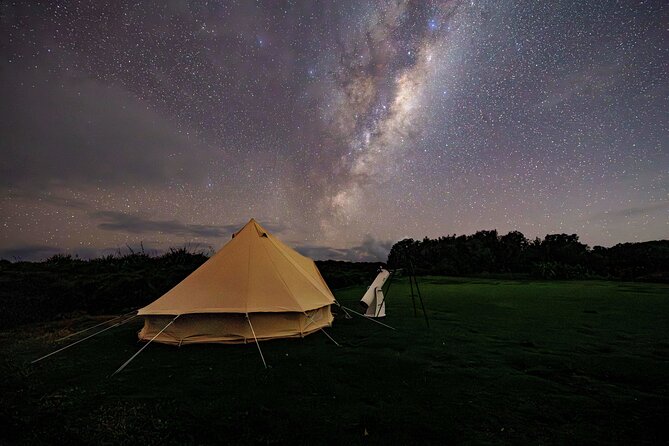
This experience requires good weather. That’s not a footnote—it’s central to why the tour exists. Kiwi activity and stargazing both hinge on night conditions, and rain or poor visibility can shut down the whole plan.
You’ll also be outside in the dark, which means you’ll want to be comfortable with an evening walk on natural ground. If you’re the type who hates cold damp evenings, plan to bundle up for New Zealand night air. If you’re okay with that, this tour should feel fun and focused.
One more thing to keep in mind: even with excellent guiding, wildlife sightings depend on what the animals decide to do that night. The tour’s approach helps you stay engaged either way—because you’re learning how to look for evidence, not just waiting for a lucky moment.
Where you meet and how the tour ends
You meet at Tawharanui Regional Park, 1181 Takatu Road, Tāwharanui Peninsula 0986, New Zealand. The activity ends back at the same meeting point, which makes the evening easier to plan around.
You’ll receive confirmation at the time of booking, and the tour uses a mobile ticket. The provider is Social Nature Movement.
Who should book this kiwi and stars tour?
Book this if you want an Auckland-area night out that mixes two serious interests: wildlife (especially kiwi) and astronomy. It’s also a strong fit if you like small-group guiding where you can ask questions, not a passive sit-and-watch activity.
It’s listed as suitable for most people. That usually means the main requirement is comfort being outdoors at night and following the guide at a walking pace.
You’d also likely enjoy it if:
- You’re here for a short time and want a compact 3-hour experience
- You love stargazing but don’t have your own telescope or binoculars
- You want a wildlife tour that teaches you how to look, not only where to look
If you’re traveling with someone who gets impatient with slow nature viewing, this still can work—because the guide keeps things moving and teaches you what you’re searching for.
Should you book Nocturnal Wonders in Tawharanui?
My take: this is one of those Auckland night tours that makes sense even when you’re not a hardcore birder or astronomy nerd. The structure is practical—kiwi discovery first, stargazing second—and the small-group cap keeps it conversational.
I’d book it if you can handle an outdoor night walk and you’re willing to dress for changing weather. If you’re hoping for a guaranteed kiwi sighting on demand, temper that expectation. The tour is designed to help you engage with the hunt and the sky even when wildlife is quieter than you’d like.
If weather isn’t ideal, it’s also worth knowing that the tour requires good conditions. That flexibility can actually be a plus if you’re planning around forecasts, since the experience is weather-dependent.
FAQ
How long is the Nocturnal Wonders Tawharanui Kiwi Spotting and Stargazing Tour?
The tour lasts about 3 hours.
Where does the tour start?
The tour starts at Tawharanui Regional Park, 1181 Takatu Road, Tāwharanui Peninsula 0986, New Zealand.
How much does it cost?
The price is $93.09 per person.
How many people are in the group?
The tour has a maximum of 10 travelers.
What can I expect during the kiwi part?
You’ll follow your experienced guide through the park’s native bush at twilight and look for traces of kiwi activity, with insights about the birds along the way.
What equipment is provided for stargazing?
Your guide provides telescopes and binoculars.
Where does the stargazing take place?
It takes place at a secluded stargazing site within the park, far from the glare of city lights.
Is admission included?
Admission is listed as free for the experience.
Is glamping available?
Glamping tents are an optional way to enhance the experience, but campsite bookings and fees are not included.
What if the weather is bad or I need to cancel?
The experience requires good weather, and if it’s canceled due to poor weather you’ll be offered a different date or a full refund. You can cancel for a full refund up to 24 hours in advance of the experience start time.