REVIEW · MāORI CULTURAL TOURS
Auckland: Rotorua Living Maori Village Tour w/ Haka & Lunch
Book on GetYourGuide →Operated by Expedigo NZ · Bookable on GetYourGuide
One day. Two worlds: Māori culture and geothermal power. This Auckland-to-Rotorua trip takes you to Whakarewarewa, a living Māori village where the steam isn’t a set piece, and a haka performance brings the stories to life.
I like how the village tour is led by local Tūhourangi Ngāti Wāhiao people, with a clear focus on warm, attentive hosting (Jason and Daniel both stand out in the guide praises). I also like that you get the geothermal trail ticket plus a steam-cooked hāngī lunch with dessert, so the day feels full instead of show-only. One thing to plan for: it’s a long day and a lot of the sightseeing is outdoors, so pack a warm layer in case Rotorua weather turns wet.
In This Review
- Key highlights you’ll feel fast
- The Auckland-to-Rotorua rhythm: a full day, planned tightly
- Whakarewarewa Village: learning Māori life in a functioning community
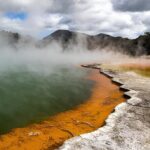
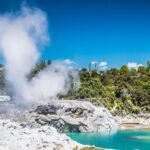
- Geothermal trail time: mud pools, geyser views, and silica formations
- The haka and cultural performances: where the show connects to place
- Hāngī lunch with dessert: steam-cooked comfort, not fine dining
- Rotorua highlights by drive: gardens, lake views, sulfur, and a museum stop
- Price and logistics: what your $224 is buying
- Who should book this day trip, and who should skip it
- Should you book: my take
- FAQ
- How long is the Auckland to Rotorua tour?
- Is the hāngī lunch included?
- Do I need to buy tickets for Whakarewarewa and the geothermal trail?
- Are drinks included?
- Will I have a guide, and what language is it in?
- What cancellation and payment flexibility is offered?
Key highlights you’ll feel fast
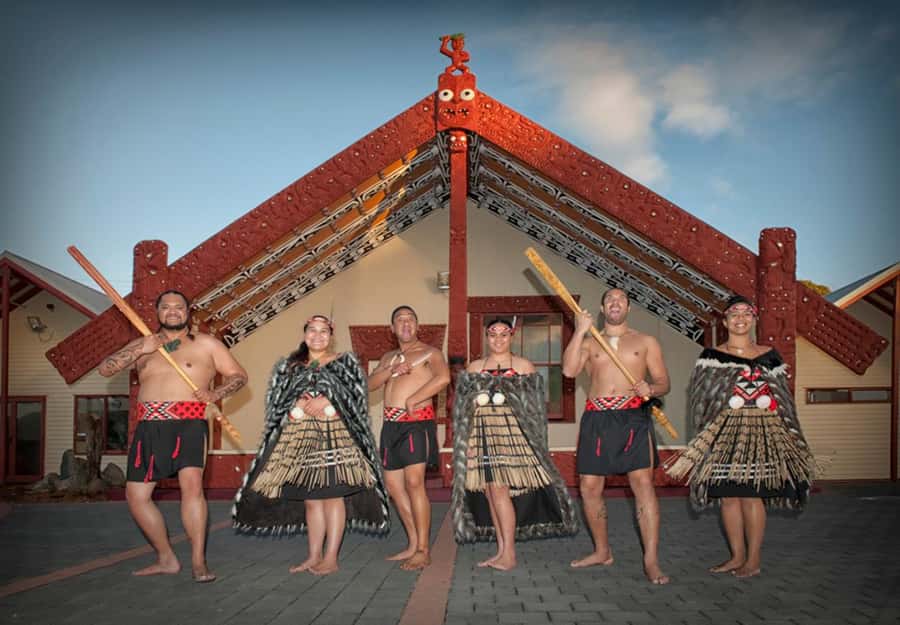
- A living village tour at Whakarewarewa with local Tūhourangi Ngāti Wāhiao hosts, not just a quick cultural performance stop
- Geothermal trail time for steaming vents, boiling hot pools, and Rotorua’s silica formations
- A powerful haka performance plus traditional song and dance tied to the place you’re standing in
- Steam-cooked hāngī lunch (with dessert) included, built around natural geothermal heat
- Rotorua driving loop after the village covering Government Gardens, Lake Rotorua, Sulphur Point, and the Rotorua Museum
The Auckland-to-Rotorua rhythm: a full day, planned tightly
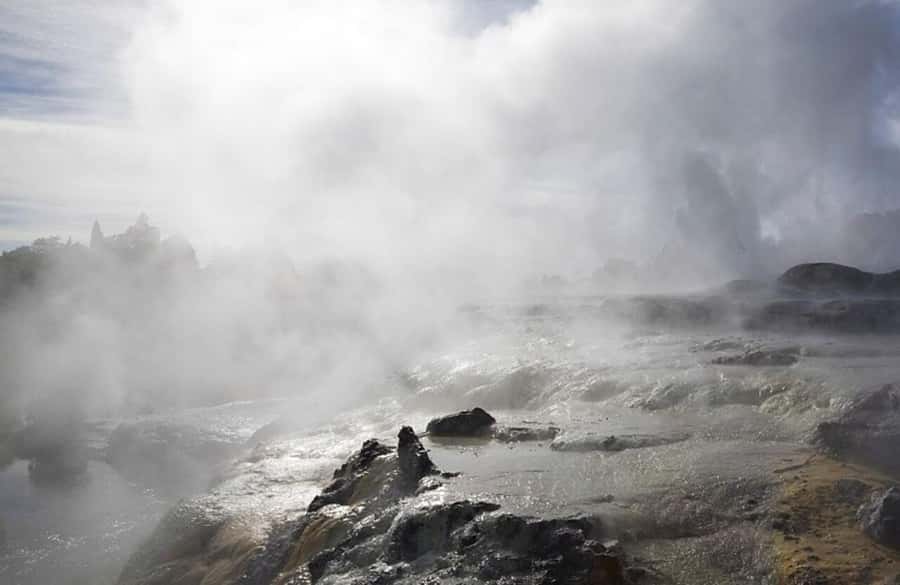
This is a 12-hour day trip built for people who want Rotorua without renting a car or stitching together multiple tickets. You start with a scenic bus ride from Auckland, then spend most of your time around the Whakarewarewa area before switching to a guided drive for Rotorua’s highlights.
The pacing matters. You’re not just “passing through” geothermal sites—you get a guided village experience, then dedicated time on a geothermal trail, then a set meal, and finally a short driving tour before heading back. If you hate long days or you’re sensitive to outdoor weather, Rotorua in a day can feel like a lot.
You can also read our reviews of more tours and experiences in Auckland

Whakarewarewa Village: learning Māori life in a functioning community
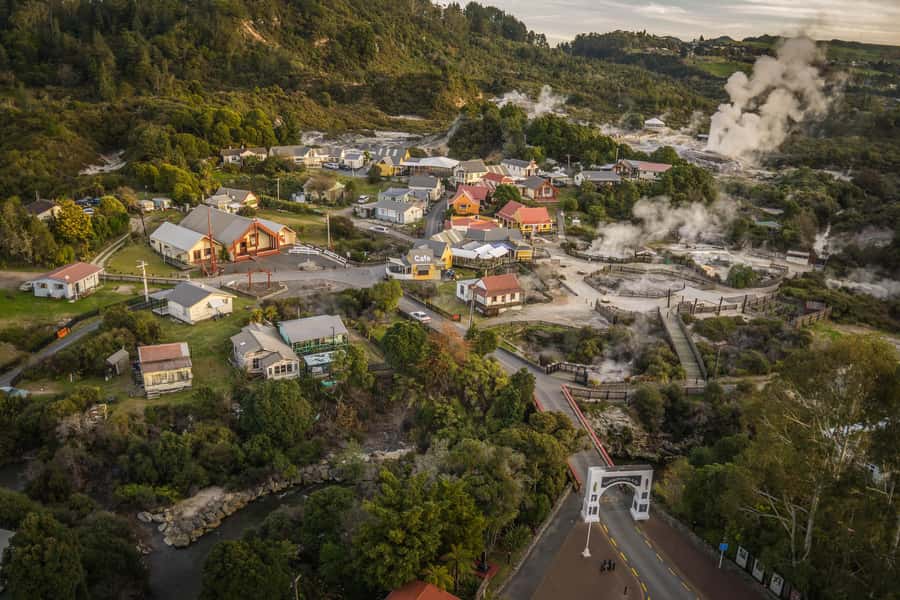
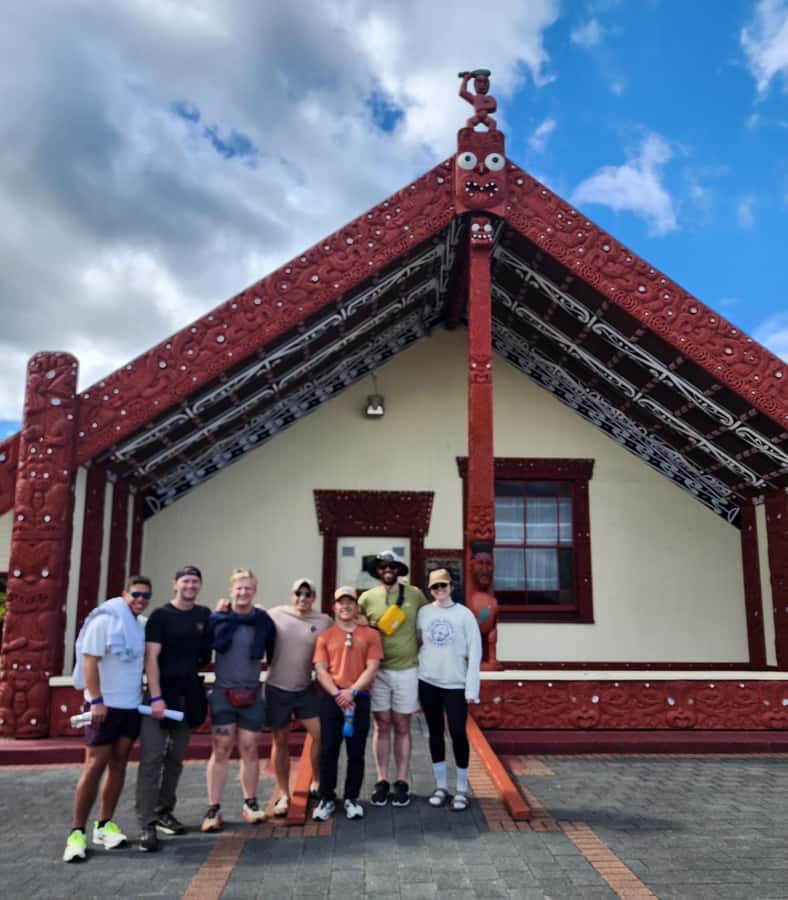
The heart of the tour is your visit to Whakarewarewa, a traditional Māori village that’s still lived in. You’re greeted by locals from the Tūhourangi Ngāti Wāhiao community, and the tone is about connection—how people live with the geothermal landscape and how customs guide everyday life.
The village tour is guided by locals, which changes the feel. You’re not hearing culture through a distant narrator; you’re walking a real place and getting explanations in context. Names that show up in guide praise include Jason (noted for friendliness and checking in with an older person in the group) and Daniel (praised as an excellent guide), plus an additional strong shout-out to Aaron. That pattern tells you the hosting style is meant to feel personal.
Also, you should expect interaction. The tour isn’t only looking at structures and performances from the outside; it’s designed to help you understand customs and daily routines. If you’re the type who likes to ask questions, this part gives you a good opening because you’re with people who actually live the story.
Geothermal trail time: mud pools, geyser views, and silica formations
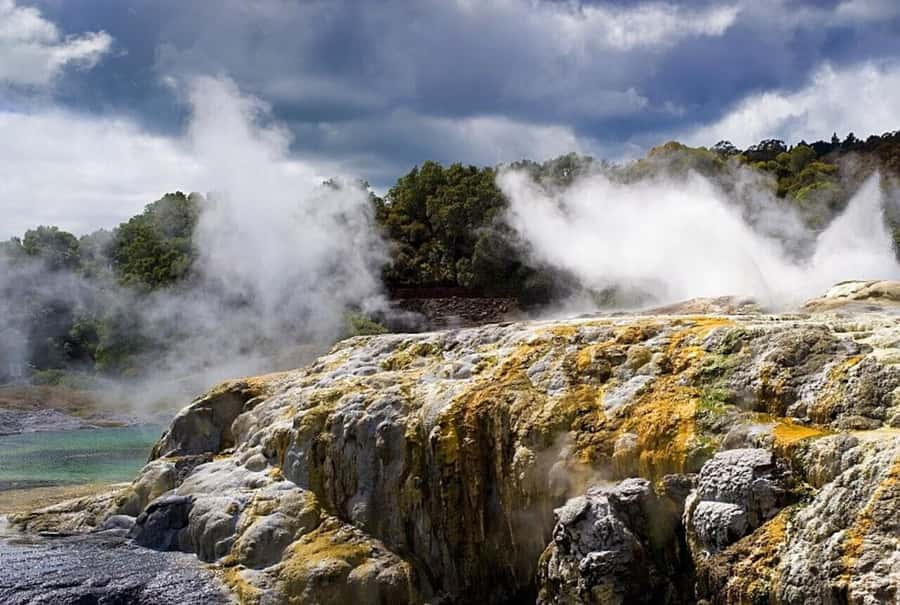
After the village introduction, you head into the geothermal area with a ticket for the Geothermal Trail. This is where Rotorua’s famous geothermal features stop being “facts on a brochure” and start becoming a sensory map.
You can expect bubbling mud pools, spouting geysers, and steaming vents spread across the landscape. The tour description also calls out panoramic views of geysers, and highlights Rotorua’s silica formations—natural mineral structures that form over time as the geothermal system pushes heat and minerals to the surface.
One practical note: this is active geothermal terrain, which usually means uneven ground and strong steam. Even if the weather is fine, you’ll feel the warmth and smell the sulfur in the air. Bring layers and shoes you’re comfortable walking in, because you’ll want to move steadily along the trail.
The haka and cultural performances: where the show connects to place
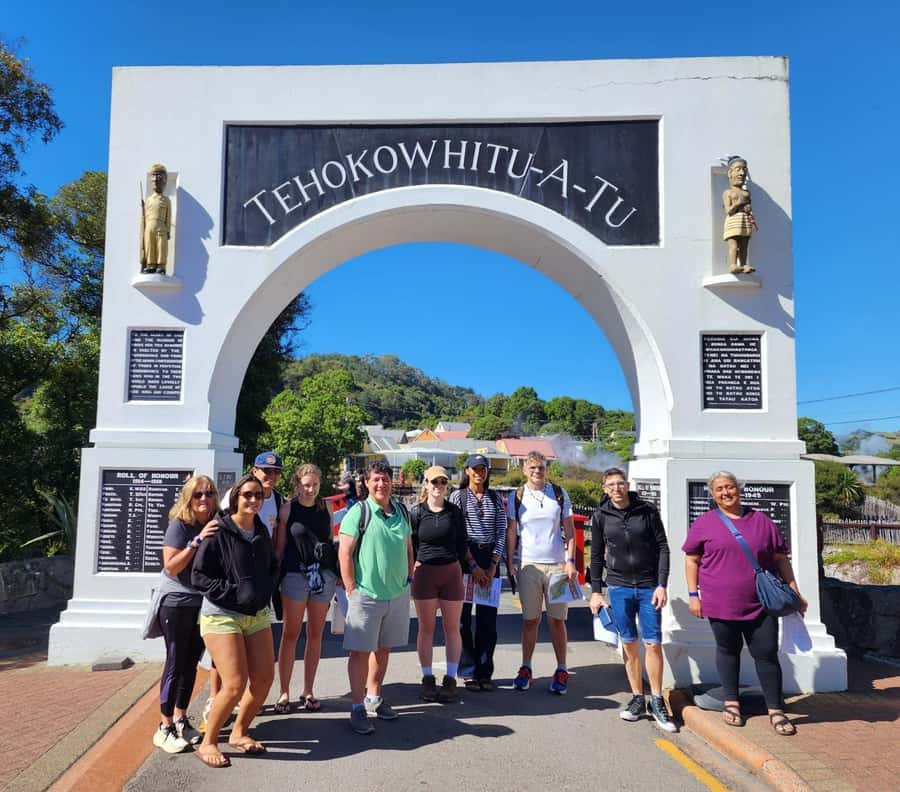
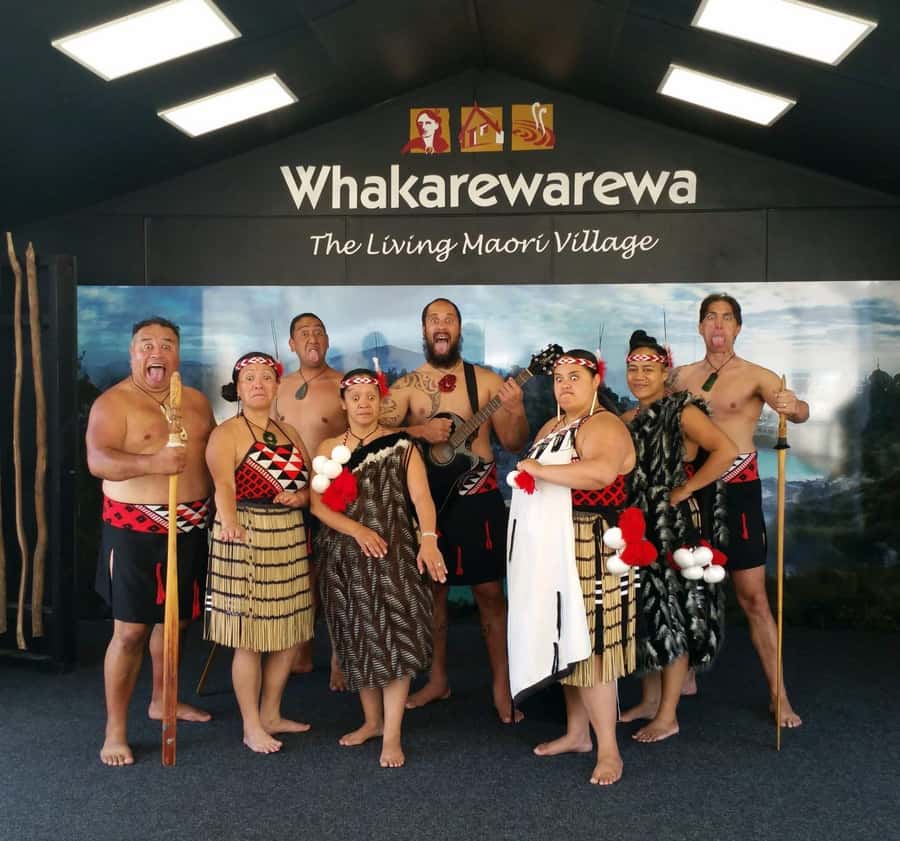
The cultural portion includes traditional Māori songs and dances, plus a haka performance. This isn’t just entertainment dropped into the itinerary; it’s presented as part of the village experience, with the place itself setting the mood.
The haka performance is described as famous and is the kind of moment that often makes people pause, because the energy is physical and direct. You also get a fuller cultural slice with song and dance performances, so you’re not walking away with only one highlight.
What I’d look for, as a viewer, is how the performers explain meaning around what you’re seeing. The tour is set up for learning Māori customs and lifestyle, and the performances are placed after you’ve already walked through the village context—so the show has more to grab onto than a standalone performance would.
Hāngī lunch with dessert: steam-cooked comfort, not fine dining
Lunch is traditional hāngī, cooked using natural steam from the geothermal environment, and dessert is included. The message here is heritage and simplicity. The meal is designed to taste like Rotorua culture, and several guide and meal comments point to it as a positive part of the day.
That said, food is where conditions can matter. One negative note in the guide-meal feedback is that when it rained all day, the food came out not hot, with chicken and vegetables described as cold. That doesn’t mean the meal is always like that, but it does suggest you should plan for the possibility that lunch may be less temperature-perfect when weather is rough.
My advice: keep expectations realistic. This is a cultural meal included in a day trip budget, not a restaurant experience with perfect plating and hot-hold technology. If you’re someone who needs hot food to be enjoyable, you might want a warm layer and a good attitude about the pace of being outdoors.



Rotorua highlights by drive: gardens, lake views, sulfur, and a museum stop
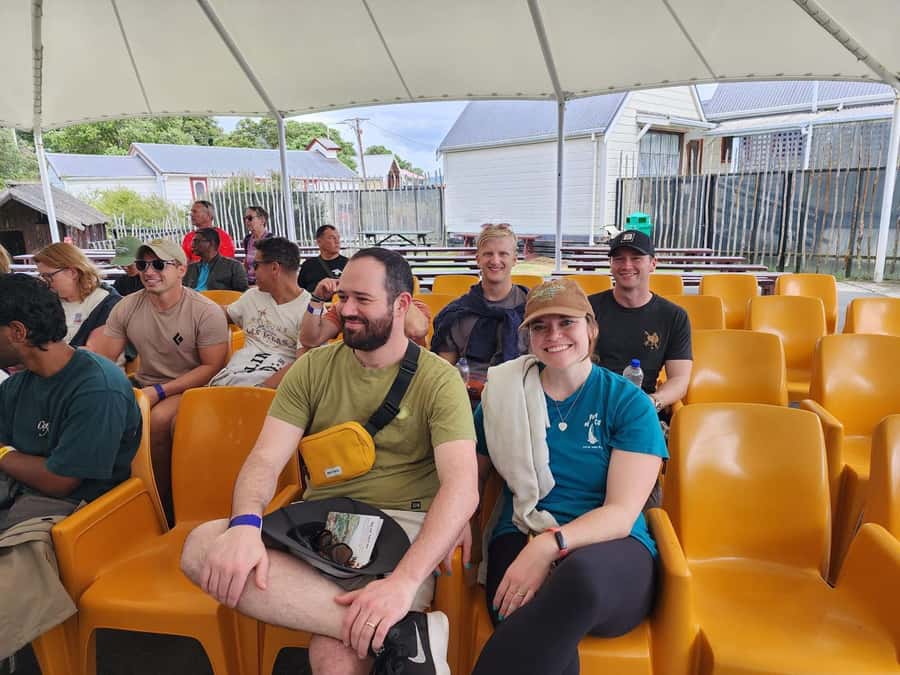
After your village visit and meal, you switch gears to a guided driving tour of Rotorua’s sights. Included stops are Government Gardens, Lake Rotorua, Sulphur Point, and the Rotorua Museum.
Government Gardens is a classic Rotorua viewpoint stop, a place where you can reset your eyes after steam and mineral scenery. Lake Rotorua gives you open-water views that balance the geothermal intensity, and it helps break up the day so you’re not only surrounded by heat and sulfur smells.
Sulphur Point is another geothermal-focused moment, which keeps the connection strong between what you learned at Whakarewarewa and what you see around Rotorua. The Rotorua Museum stop adds a cultural and historical context layer, giving you a more rounded sense of what shaped the region.
This drive loop is most valuable when you want a fast orientation. It’s not trying to replace slow independent exploring. It’s there to give you a clear “you are here” map of Rotorua so you can decide if you want to come back.
Price and logistics: what your $224 is buying
At $224 per person for a 12-hour day trip, the value depends on what you’d otherwise pay and how much effort you want to save.
Here’s what’s bundled: entrance to Whakarewarewa, a guided village tour, cultural performances including the haka, the Geothermal Trail ticket, lunch (hāngī) plus dessert, and a round-trip bus ride from Auckland. You also get hotel pickup and drop-off, a live English guide, and a skip-the-ticket-line benefit.
If you tried to rebuild this yourself, the time cost would be the big expense: getting transport Auckland-to-Rotorua, buying multiple tickets, coordinating timing for the village show, then finding a geothermal trail experience on your own. This package takes that pressure off and uses the day’s schedule efficiently.
Logistics matter, and the pickup details are worth noting. Pickup starts up to 20 minutes before departure, and the guide may arrive within a 10-minute window, with no waiting for late arrivals. If your stop is downtown, it’s generally more straightforward; if you’re closer to the airport or South Auckland, the tour notes a pickup location at The Sebel, Auckland Manukau. If you’re unsure, choose the nearest available pickup point and be ready outside early.
One more practical angle: food and drinks aren’t included. Lunch is covered, but if you want water, juice, or snacks beyond the meal, plan to purchase those separately.
Who should book this day trip, and who should skip it
This tour fits best if you want a structured day that mixes Māori culture, geothermal scenery, and Rotorua viewpoints, all with a guide and transport handled for you. It’s also a good fit for people staying in Auckland who want Rotorua without the hassle of driving and parking.
You might want to skip or choose something else if you prefer long, unhurried time outdoors, or if you’re very weather-sensitive. The itinerary includes substantial outside elements around the village and trail, and one meal complaint ties to rainy conditions and a less-hot lunch temperature.
It’s also a good option for first-timers. The Rotorua highlights drive plus the museum-style context helps you get oriented quickly—then you can decide on a second trip later if you want deeper geothermal exploring or longer time around the lake.
Should you book: my take
If you’re looking for one day that gives you more than a quick haka show—one that ties culture to place and includes a geothermal trail and a steam-cooked hāngī lunch—this is a strong value choice. The standout strength is the combination: village guidance from local Tūhourangi Ngāti Wāhiao hosts, plus a full geothermal experience, plus performance energy that’s placed in context.
Book it if you want convenience from Auckland and you like the idea of a guided day that ends with Rotorua viewpoints. Consider a different plan if you hate long bus days, dislike outdoor walking, or are very particular about food temperature during wet weather.
FAQ
How long is the Auckland to Rotorua tour?
The tour runs for 12 hours.
Is the hāngī lunch included?
Yes. You’ll have a traditional hāngī meal cooked with natural steam, and dessert is included.
Do I need to buy tickets for Whakarewarewa and the geothermal trail?
No. Entrance to Whakarewarewa Village and a ticket for the Geothermal Trail are included, and you can skip the ticket line.
Are drinks included?
Food and drinks are not included, even though lunch and dessert are part of the tour.
Will I have a guide, and what language is it in?
Yes, there’s a live tour guide in English.
What cancellation and payment flexibility is offered?
You can cancel up to 24 hours in advance for a full refund, and there’s a reserve now and pay later option.