
REVIEW · AUCKLAND
Gnome’s Adventure Escape Room Experiences
Book on Viator →Operated by Escapism · Bookable on Viator
A gnome’s house turns your brain into a compass. In Stanmore Bay, you’ll spend about an hour solving puzzles, decoding a letter, and trying to help Gandrie send you on your next adventure.
It’s a story-driven, family-friendly escape room built around a quirky fairytale setup and a straightforward goal: figure out the clues before time runs out.
I love the private setup for groups up to six. I also like that staff-on-hand help is available if you get stuck, so you can keep moving without the whole experience grinding to a halt.
One heads-up: the room is up stairs, so it’s not easily accessible for someone with a wheelchair or other mobility needs. If stairs are a problem, plan accordingly.
In This Review
- Key things to know before you book
- Gnome’s Adventure Escape Room in Auckland: what you’re really signing up for
- Where it starts in Stanmore Bay (and how to plan your arrival)
- The story kickoff: Gandrie, the letter, and your mission
- Your 60-minute run: what happens once you’re in the gnome’s house
- How the puzzles work (and why staff hints keep it fun)
- Difficulty and family fit: who this Auckland escape room works for best
- Value check: is $167.55 per group worth it?
- Practical strategy: how to do well without rushing yourself crazy
- What I’d expect when you finish (and why success isn’t everything)
- Should you book Gnome’s Adventure Escape Room?
- FAQ
- Where do we meet for Gnome’s Adventure Escape Room in Auckland?
- How long is the escape room experience, and how many people can go?
- What should we do before the game starts?
- Is there staff help if we get stuck?
- Is this experience wheelchair accessible?
- Can I get a refund if I need to cancel?
Key things to know before you book
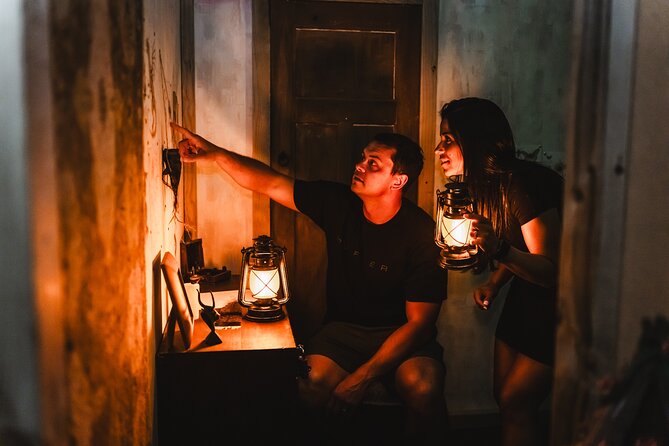
- Private group (up to 6 people): it’s just your party in the room
- About 60 minutes: a tight, doable time limit for most groups
- Gandrie’s letter starts it all: your mission begins with something to read and interpret
- Gnome-house story setting: family-friendly fantasy with props you can interact with
- English guide + private experience: everything is run in English with your group focused on the room
- Mobile ticket: you’ll have what you need on your phone
Gnome’s Adventure Escape Room in Auckland: what you’re really signing up for
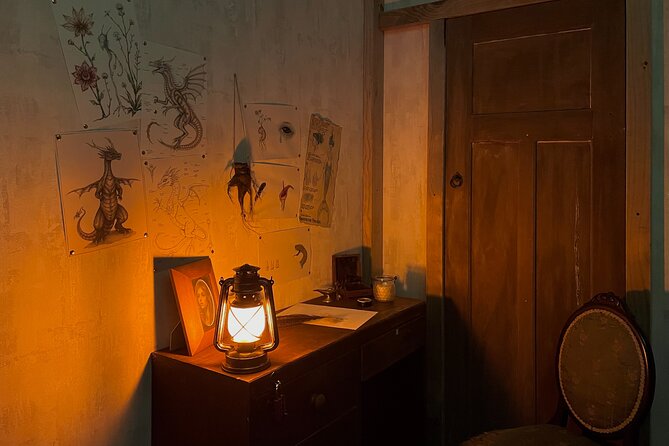
Gnome’s Adventure Escape Room is an Auckland activity that leans into the fun side of brainwork. Instead of feeling like a test, it feels like you’re doing a clever scavenger hunt inside a story: you’re locked in, you search, you decode, and you try to “prove you are ready.”
You’ll be working against a timer, but you’re not left to flounder. The team will be on hand with help if you get stuck, which is a big deal for families, mixed-age groups, or anyone who hasn’t done an escape room before.
The setting is a fantasy gnome’s house, and that matters more than it sounds. When props, lighting, and the room layout support the story, you spend less time guessing what’s going on and more time actually solving. And since the experience is built for families, you can expect it to feel playful rather than scary.
You can also read our reviews of more tours and experiences in Auckland.



Where it starts in Stanmore Bay (and how to plan your arrival)
The meeting point is 65 Karepiro Drive, Stanmore Bay, Whangaparāoa 0943. It ends back at the same meeting point, so you’re not dealing with awkward “drop-off and figure it out” logistics.
You should arrive at least 15 minutes early. That’s enough time to get a game briefing and get your team mindset right. Escape rooms are easier when everyone understands the goal and how help works, not when you’re still standing around deciding who’s leading.
Transportation isn’t included. If you’re coming from Auckland city or the airport, you’ll want to sort out your own ride (or rely on public transport, since the location is near it). The upstairs location is also something to factor into how you’ll get everyone there comfortably.
The story kickoff: Gandrie, the letter, and your mission
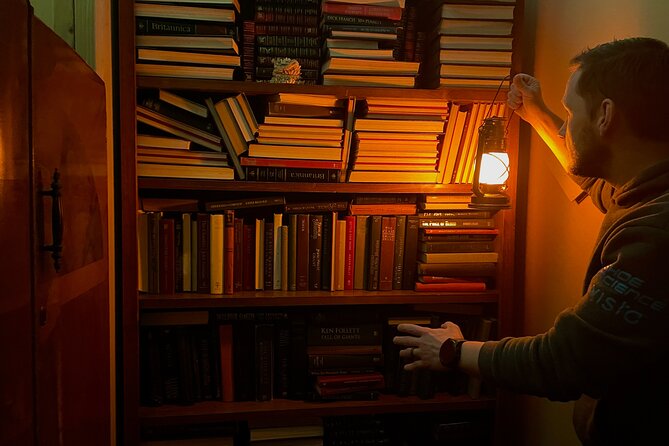
When you start, you’re not just handed puzzles. You’re introduced into the situation with a character: Gandrie, who explains you’re stepping into his cosy home and that he’s your uncle in the story.
The premise is simple and oddly motivating. Gandrie says you’ve wanted to go on one of his adventures, but you weren’t ready yet. He’s gone ahead to catch up with an old friend, and you need to prove you’re prepared by solving challenges and figuring out where he’s gone.
Before you launch into the room, Gandrie has left a letter for you to read. That’s important because it gives the experience a narrative spine: your solving feels connected to the story, not random tasks. In a good escape room, the letter isn’t a decorative touch—it helps set direction for the next steps.
This is also where the “family friendly” nature shows. The story language is cosy and fairytale-like, and it’s written to keep the tone welcoming. That helps a lot if you’ve got kids, teens, or adults who don’t want a jump-scare type of puzzle night.
Your 60-minute run: what happens once you’re in the gnome’s house
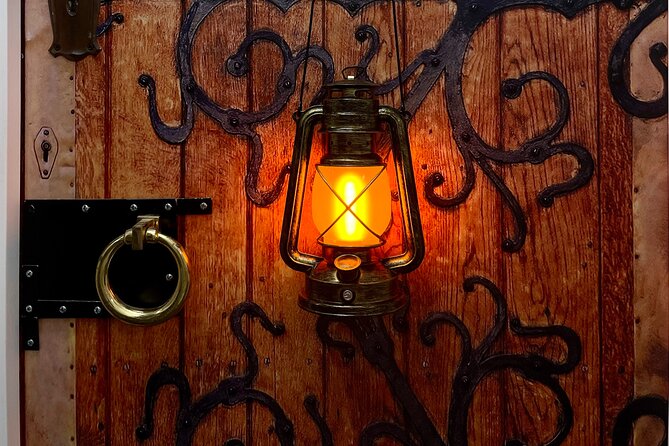
Once you’re set up, the game runs for about 60 minutes. You’ll be placed in the themed room and expected to work as a team. Your job is to find clues and decode information, with the goal of securing your escape.
Expect a mix of puzzle styles that reward different strengths. Some people are better at pattern spotting, some at reading details, and some at organizing the group so you don’t repeat steps. Since this is a private experience, you can actually use your team’s strengths instead of being stuck with strangers who all have different instincts.
Here’s the practical thing to remember: the room is timed. That means you’ll want to treat every puzzle like a small mission, not like one endless riddle. If something feels stuck, move on, mark where you were, and come back later if you can.
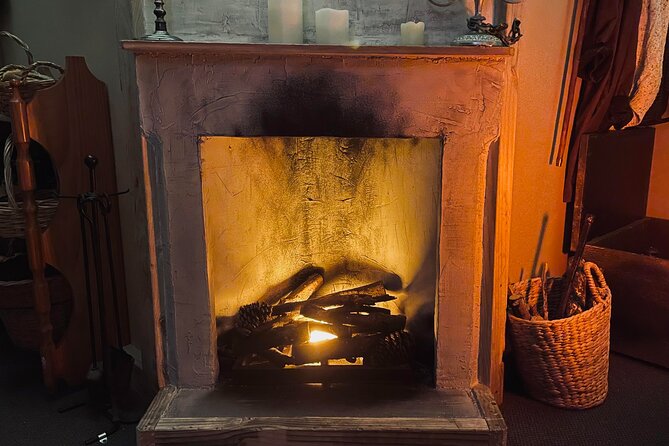
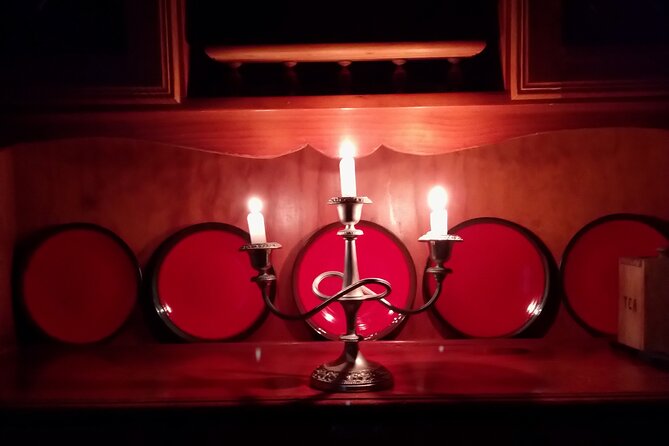
The room is also built with interaction in mind. In the feedback, people mention realistic props and a setup that makes the room feel like a lived-in gnome home—not just a bare set of puzzle panels. And lighting plays a role too, helping guide attention toward what you’re meant to notice.
How the puzzles work (and why staff hints keep it fun)
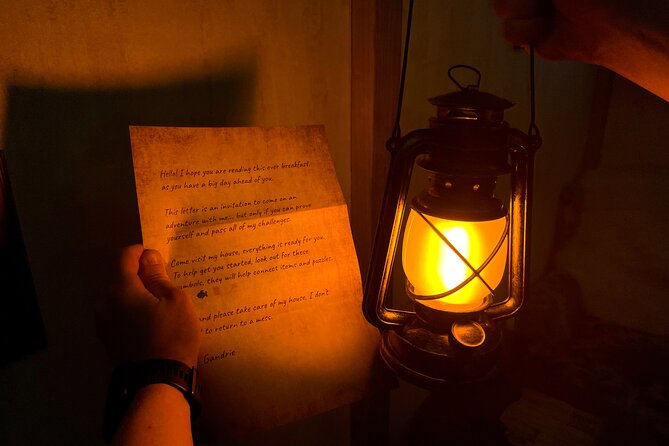
The puzzles are designed for clue-solving. You’re looking for hidden secrets and decoding a mysterious letter, which suggests you’ll handle both physical clues in the room and story-related information.
What I really appreciate is the human safety net. Staff will be on hand to help if you get stuck. That doesn’t mean you’re being spoon-fed; it means you won’t lose the entire hour just because one person can’t see a detail you’re supposed to spot.
This is especially valuable if:
- It’s your first escape room
- You’re traveling with kids or mixed ages
- Your group has one or two people who like logic puzzles less than the others
A hint can keep the energy up. Without hints, some teams slow down so much that they forget what they were trying to do. With hints, you can recover your momentum and stay engaged.



Difficulty and family fit: who this Auckland escape room works for best
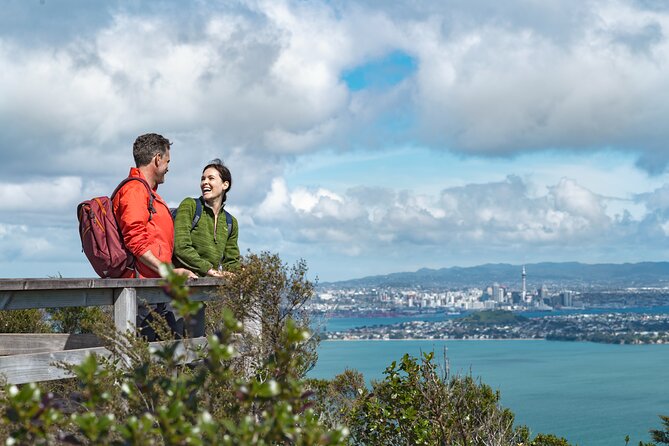
Gnome’s Adventure is explicitly family friendly. The room’s tone is fairytale, and the setup is built so that younger participants can still feel included.
Based on the kinds of experiences people describe, the difficulty lands in that sweet spot: challenging, but not so hard that one person dominates. One of the biggest wins is that tasks feel shareable—so older kids, teens, and adults can each contribute.
If you’ve got a broad age range in your group, that’s where this kind of escape room shines. People have played it with groups spanning teenage to adult ages and still had a good time. That usually means the puzzles aren’t just math riddles; they’re more about teamwork, observation, and decoding.
If you’re looking for something extremely scary or intense, this probably isn’t the match. The tone is cosy and magical, and the focus is on clever puzzle-solving and “quirky twists,” not fear.
Value check: is $167.55 per group worth it?
The price is $167.55 per group, up to six people, and the experience runs about one hour. That’s a simple value math problem.
If you fill all six spots, the effective cost per person drops to roughly $28 each. For an Auckland activity where you get a private, guided experience, that can be a strong deal—especially compared with outings where you pay per person and still don’t get private attention.
If you only have two people, it’s still a fun night, but the value depends on whether you’re treating it as an activity date or as entertainment for a larger family group. In that case, you might look at it like renting a private hour of puzzle entertainment.
Either way, the private format matters. You’re not squeezed into a shared experience. Your group gets its own room and its own time window, so you’re more likely to stay focused and actually enjoy the solving together.
Practical strategy: how to do well without rushing yourself crazy
You don’t need to be a puzzle mastermind. But you do need good group habits.
First, assign roles quickly. Someone should manage the clock and keep the group aware of time. Someone else can lead the “find and test” approach—trying clues in sequence. Another person can read letters or written hints carefully so nobody misses details.
Second, when you find a clue, don’t treat it like a random object. Ask: what is it trying to tell us? In clue-solving rooms, the difference between winning and losing is often how quickly you connect the clue to the mission.
Third, use staff help early enough to stay productive. If you’re 20 minutes in and you’ve hit a wall, waiting another 20 usually just burns your momentum. A well-timed hint can be the difference between a full escape attempt and a scramble at the end.
Finally, pace yourselves. Escape rooms reward steady progress. If your group starts sprinting with no system, you can end up knocking over effort without improving results.
What I’d expect when you finish (and why success isn’t everything)
The goal is to escape by solving the challenges within the time limit. That means there’s a satisfying end point when you figure out what you need to figure out.
Even if you don’t escape within the hour, a good escape room still leaves you with that brain-sparking payoff: you worked as a team, discovered the story’s logic, and learned how the room wanted you to think. In this kind of experience, the “aha” moments can be just as fun as the final result.
The tone helps here. The gnome-house theme is playful, so the hour tends to end with laughs, not stress.
Should you book Gnome’s Adventure Escape Room?
If you want an Auckland activity that’s family friendly, story-led, and built for teamwork, I’d book this. It’s a solid pick for first-timers because staff can help when you’re stuck, and the private format keeps things comfortable for your group.
Book it especially if:
- You’re traveling with kids or teens, or a mixed-age group
- You like puzzles but don’t want a “survive at all costs” vibe
- You want a private, guided experience rather than a crowded attraction
Skip it or plan carefully if mobility access is an issue, because the room is up stairs and not easily accessible for a wheelchair or other physical impairments.
FAQ
Where do we meet for Gnome’s Adventure Escape Room in Auckland?
You meet at 65 Karepiro Drive, Stanmore Bay, Whangaparāoa 0943, New Zealand. The activity ends back at the same meeting point.
How long is the escape room experience, and how many people can go?
The experience runs for about 60 minutes. It’s priced for a group of up to 6 people.
What should we do before the game starts?
You should arrive at least 15 minutes early so you have time for the game briefing.
Is there staff help if we get stuck?
Yes. Staff will be on hand to help if you get stuck.
Is this experience wheelchair accessible?
The room is located up stairs, so it is not easily accessible for someone with a wheel chair or other physical impairments.
Can I get a refund if I need to cancel?
Yes, there is free cancellation. You can cancel up to 24 hours in advance for a full refund. If you cancel less than 24 hours before the start time, the amount you paid will not be refunded.