REVIEW · MāORI CULTURAL TOURS
Auckland Urban Māori Experience with Transportation
Book on Viator →Operated by Glorious Tours · Bookable on Viator
Urban Māori culture in Auckland hits different. You’ll spend a full day with a Māori guide (Ama) in a private, air-conditioned ride, then slow down for real stops that connect the city to Māori and Pacific life. Two moments I especially liked were the Te Pane o Mataoho lesson on a dormant volcano with harbour views, and the hands-on, community-focused feel of the lunch and ceremonies.
The one catch is simple: you do a bit of light outdoor walking, so if you have limited mobility, this may not be the best fit. It’s also not a long sit-and-watch day, so wear comfortable shoes and plan to spend time on the go.
In This Review
- Quick highlights
- Getting to the day: private, air-conditioned, and actually comfortable
- Price and what $279.26 buys you in real value
- The coffee stop: a quiet start before the stories get big
- Te Pane o Mataoho: the dormant volcano viewpoint with personal connections
- Traditional Māori lunch: what’s included, and why it matters
- Seeing (and understanding) the haka in context
- Supporting artisans: taking home something real (and responsible)
- An ancient Pacific ceremony for connection and well-being
- Transportation and timing: what a 7-hour day feels like
- Who should book this Auckland Urban Māori Experience?
- Should you book it?
- FAQ
- What time does the Auckland Urban Māori Experience start?
- How long is the tour?
- Is pickup and drop-off included?
- What is included in the price?
- Is lunch included, and can I request dietary options?
- Is there a coffee stop at the beginning?
- Is the tour private?
- Where do we meet?
- Is there free cancellation?
- Is the tour suitable for limited mobility?
Quick highlights
- Ama-led urban Māori storytelling in Auckland’s everyday setting, not just rural sites
- Te Pane o Mataoho viewpoint and personal history linked to a local descendant
- Traditional Māori lunch with locally sourced ingredients included
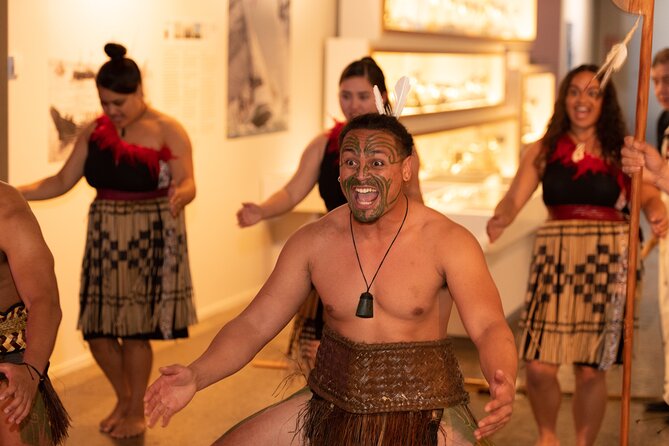
- Haka performance built into the day’s cultural flow
- Local artisan support with chances to bring home meaningful craft
- An ancient Pacific ceremony aimed at connection and well-being
Getting to the day: private, air-conditioned, and actually comfortable
This is a 7-hour Auckland experience built around a smooth ride and a guide who can pace the day. You start at 8:30am, and you’re picked up and dropped off with private transportation. The vehicle is described as spacious, private, and air-conditioned, plus you’ll have a professional, accredited driver. That combination matters because Auckland mornings can swing from mild to breezy fast, and you’ll likely appreciate having space to settle in between stops.
You also get a mobile ticket, and confirmation comes when you book. The meeting area is near public transportation, which is handy if you’re using transit to connect to the tour. And because it’s private for your group, you won’t be squeezed into a large bus-style experience where you can’t ask questions.
If you’re the kind of traveler who likes structure but hates rigid tours, this hits a nice middle ground: you get a clear itinerary, yet the day is designed around cultural moments and conversations, not just checkpoints.
You can also read our reviews of more tours and experiences in Auckland.


Price and what $279.26 buys you in real value
At $279.26 per person, the headline price can look steep—until you break down what’s included. You’re paying for a full-day cultural program with a guide, traditional lunch, admission/entrance fees, and door-to-door transfers in a private vehicle. For a day like this, those pieces add up quickly if you tried to piece it together yourself.
Also, the tour is set up as more than a sightseeing loop. The stops are meant to explain how Māori and Pacific communities connect to Auckland’s urban environment, including history tied to specific places. When a tour includes both access and context like that, the cost starts to make sense.
One small thing to budget for: there’s an optional coffee stop at the beginning. The tour includes your local coffee, but any extra food or drink you choose there is not included. Keep that in mind, especially if you like a bigger breakfast-style stop.
The coffee stop: a quiet start before the stories get big
You begin with a local coffee, and it’s not just a caffeine pause. This early moment sets the tone: it’s the first chance to slow down, meet your guide, and get a feel for how the day will be handled. In an experience focused on lived culture in the city, that kind of warm start helps you shift from tourist mode to listening mode.
If you want to keep costs predictable, treat the coffee stop as exactly that—coffee. Extra snacks are optional and outside the included package, so you can easily control your spending.
Te Pane o Mataoho: the dormant volcano viewpoint with personal connections
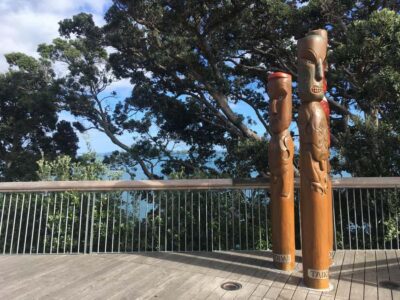
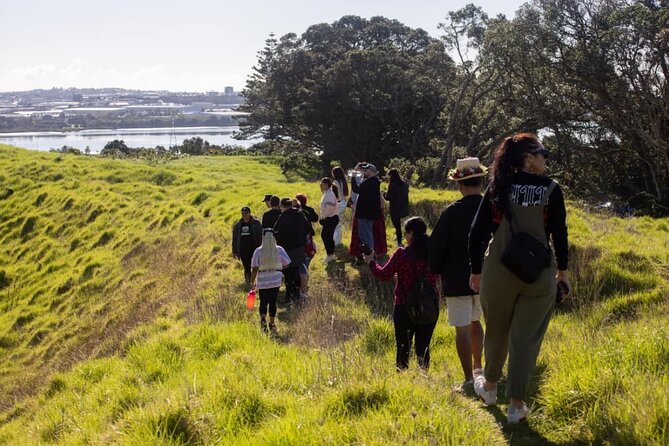
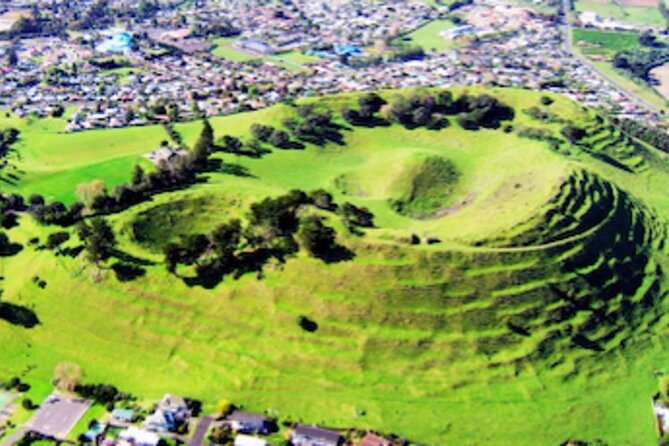
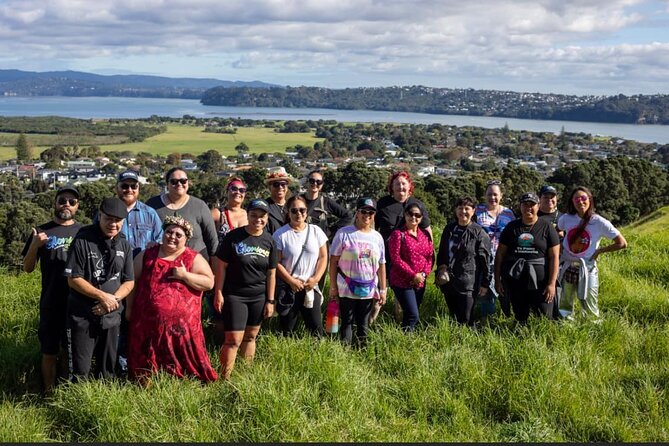
Next comes Te Pane o Mataoho, described as a dormant volcano with stunning harbour views. It’s one of those places where you can look out over the city and still feel the weight of older stories under your feet.
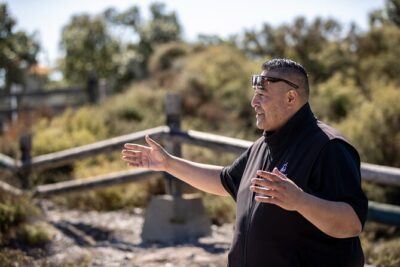
What makes this stop more than a viewpoint is the way the guide connects it to people. You’ll get a personal history lesson from a local descendant, which adds emotional detail that you won’t get from a standard lookout. You’re not just being told facts about a landform—you’re hearing how one place ties into identity and family memory.
Practical note: this is also part of why the tour isn’t pitched as fully seated. Even if the walk is light, you’re moving around enough to need comfortable shoes and good balance.
If you love urban travel that still has depth, this stop is the payoff. You get harbour views, plus context for why Māori connections exist inside Auckland’s modern layout.
Traditional Māori lunch: what’s included, and why it matters
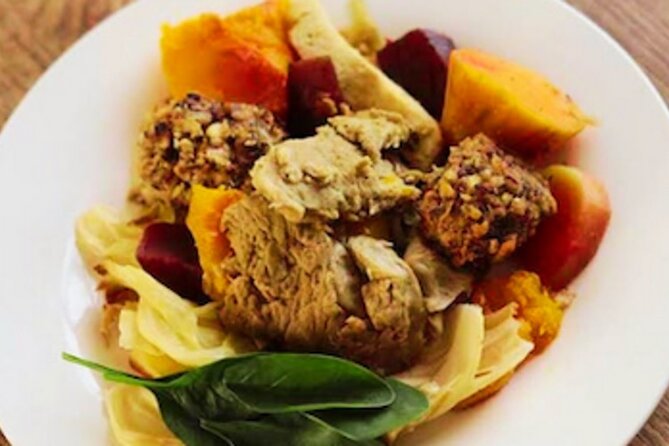
You’ll have traditional Māori lunch included, with locally sourced ingredients. This is another place where the tour’s value shows up: lunch isn’t an afterthought or a generic meal you’d get anywhere. It’s part of the cultural flow of the day.
Also, because lunch is included, you don’t need to guess where to eat or decide on the fly. That’s a real comfort when you’re spending a full day outdoors in a city you don’t know well.
Dietary needs: you should inform the provider of any dietary requirements. Since that step isn’t optional, do it when you book so the team can plan properly.
Even if you’re familiar with Māori cuisine, I like that this lunch is described as locally sourced. It helps you understand the relationship between culture and place—how food, community, and the local environment connect.


Seeing (and understanding) the haka in context
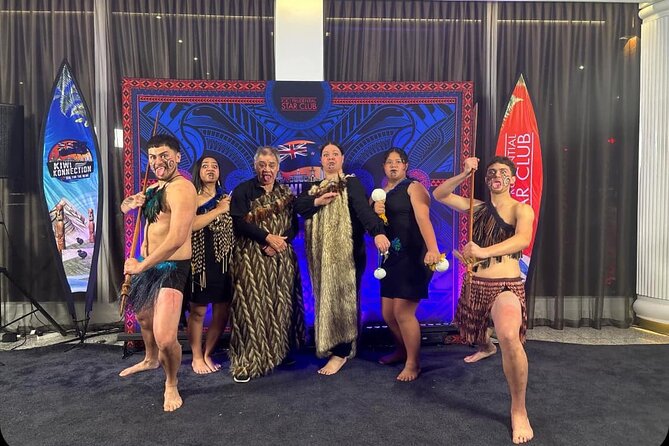
Later, you’ll witness a powerful haka as part of the itinerary. The key here isn’t just that you’ll see it. It’s scheduled in a way that supports what you’ve already been learning about Māori presence in Auckland and how cultural practice remains active, not museum-only.
A haka can be intense to watch if you’re standing there without context—timing, meaning, and intention matter. That’s where having an experienced guide becomes useful. You can focus your attention on what the performance is communicating rather than treating it like a quick show.
If you’re someone who normally prefers cultural experiences you can process slowly, this is a good fit. It’s built into the day’s narrative, not tacked on as an isolated performance.
Supporting artisans: taking home something real (and responsible)
Auckland urban Māori experiences should give you a way to connect beyond photos. This one includes time to support local artisans, with unique treasures to find. That phrase matters because it signals more than shopping. You’re not just buying items—you’re backing community initiatives and seeing how craft lives alongside daily city life.
Practical tip: if you’re thinking of bringing items home, consider wrapping and how it fits into your luggage. Not because the tour provides those details, but because artisan goods can be fragile or oddly shaped.
I also like that this stop isn’t framed as a hard sell. It’s part of the rhythm of the day, after you’ve already learned why urban Māori communities matter. When you understand the “why,” the “what you buy” feels more meaningful.
An ancient Pacific ceremony for connection and well-being
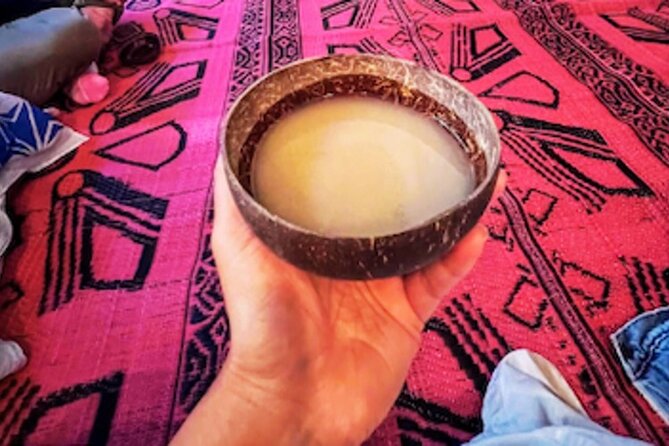
The day ends with an ancient Pacific ceremony that focuses on connection and well-being. This is a different kind of cultural moment—less about history facts and more about how people find balance and belonging through shared practice.
By the time you reach this, you’ve already had: a volcanic viewpoint, a community lunch, a haka, and artisan connections. So the ceremony lands with purpose. It’s the kind of closing that helps the whole day feel like more than separate attractions.
If you’re cautious about ceremonies because you’re not sure how to behave, don’t worry. What you can do is go in ready to follow your guide’s lead. Experiences like this work best when you treat them like participation rather than performance-on-demand.
Transportation and timing: what a 7-hour day feels like
This is a full-day tour around a set start time (8:30am) and about 7 hours total. You’ll be on the move, but not in a frantic way. The ride between sites is private and comfortable, which helps you reset.
Because there’s light outdoor walking, I recommend:
- Wear shoes you can stand and walk in comfortably
- Bring a light layer if the morning is cool
- Keep water in mind, even though the lunch is provided
Also, the tour is described as private, so your group experience won’t compete with other groups at each stop. That can make questions easier and gives your guide room to slow down when something needs explanation.
Who should book this Auckland Urban Māori Experience?
This tour fits best if you want Māori and Pacific culture in a city setting. If your past experiences were mostly rural village visits, this one can widen your understanding of how culture lives in Auckland day to day. One of the strengths mentioned in the experience is exactly that: the way urbanization and city life connect back to Māori land and community.
You’ll probably enjoy it most if you:
- Like guided storytelling tied to specific places
- Want a cultural day that includes performances and food, not just monuments
- Appreciate hands-on, community-minded stops (like artisan support)
If you need a fully accessible itinerary with minimal walking, take the mobility note seriously. This isn’t recommended for limited mobility due to the light outdoor walk.
Should you book it?
I’d book this Auckland Urban Māori Experience if you want something more grounded than a typical sightseeing day. The biggest reason is the blend: you get a place-based lesson at Te Pane o Mataoho, traditional lunch, a haka, time with local artisans, and a closing Pacific ceremony. That sequence makes the experience feel like a real cultural program rather than a list of stops.
If you’re budget-minded, remember the optional costs at the coffee stop, and bring comfy shoes for the light walking. But if you want an Auckland day that explains how Māori and Pacific communities are present in the city’s everyday life, this is one of the better ways to do it.
FAQ
What time does the Auckland Urban Māori Experience start?
The tour start time is 8:30am.
How long is the tour?
It lasts about 7 hours.
Is pickup and drop-off included?
Yes. The tour includes private transportation with pick up and drop off transfers.
What is included in the price?
The price includes traditional Māori lunch, private transportation transfers, and admission fees and entrance fees to all activities.
Is lunch included, and can I request dietary options?
Lunch is included. You should inform the provider of any dietary requirements.
Is there a coffee stop at the beginning?
Yes, there is a local coffee stop at the start. Extra food or drink beyond the included coffee is optional and not included in the price.
Is the tour private?
Yes. It is a private tour/activity, and only your group will participate.
Where do we meet?
The meeting point is near public transportation.
Is there free cancellation?
Yes. You can cancel for a full refund if you cancel up to 24 hours in advance of the experience’s start time.
Is the tour suitable for limited mobility?
It is not recommended for travellers with limited mobility due to a light outdoor walk.