REVIEW · MāORI CULTURAL TOURS
Auckland: Rotorua Māori Village & Waitomo Caves with Lunch
Book on GetYourGuide →Operated by Expedigo NZ · Bookable on GetYourGuide
A day that’s all culture and glowworms sounds unreal, until you do it. This Rotorua Māori Village & Waitomo Caves tour packs a guided look at a living Māori community at Whakarewarewa, followed by a small-group trip into Waitomo’s glowworm caves, including a picnic-style lunch. I especially like that you’re not just watching from afar: you’re listening to local explanations of daily life and geothermal activity, and then you’re seeing the glow up close on the cave boat ride. Māori cultural performance with the famous haka is the other highlight that makes the day feel complete, not random.
There’s one watch-out: this isn’t a low-walking, wheelchair-friendly day. If mobility is an issue, the village areas and cave setting may be tough, so you’ll want to think hard about comfortable shoes and how much walking you can handle.
In This Review
- Key things to notice before you go
- Why this 12-hour Auckland day trip feels worth it
- Getting picked up in Auckland and the ride toward Rotorua
- Whakarewarewa: stepping into a living Māori village
- Geothermal sights: geysers, mud pools, and steaming vents
- Māori songs and dances, including the haka
- Waitomo Glowworm Caves: the boat ride where the glow takes over
- Lunch and pacing: how the day stays manageable
- Price check: is $248 good value?
- Who this tour fits best (and who should think twice)
- A quick reality check on reviews and the main payoff
- Should you book this tour?
- FAQ
- How long is the Auckland to Rotorua and Waitomo day tour?
- What’s included in the ticket price?
- Do I get hotel pickup and drop-off?
- Is the Waitomo Glowworm Caves tour guided?
- What language is the tour guide?
- Is the tour suitable for people with mobility impairments or wheelchair users?
Key things to notice before you go
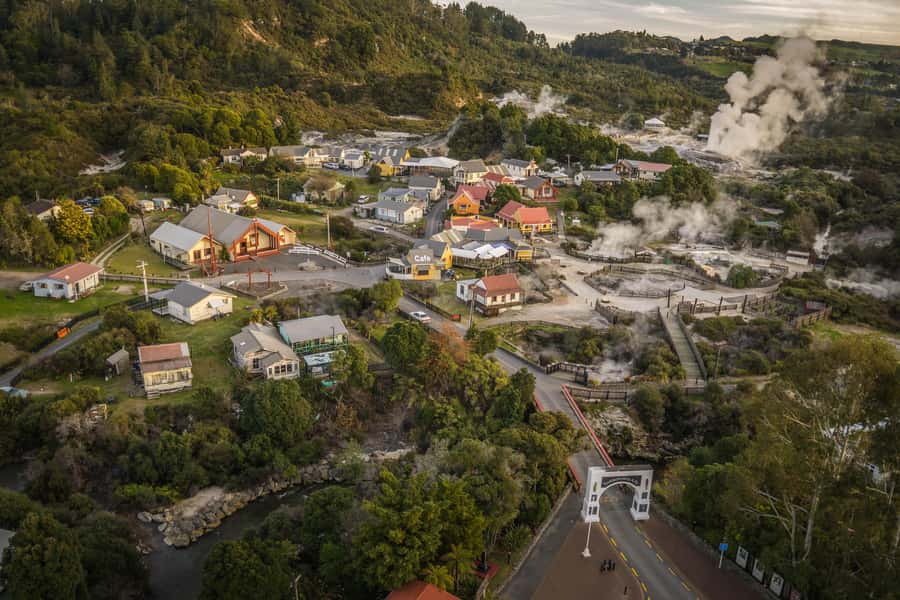
- A living Māori village, guided by locals: you’re learning through stories and customs from people who live the culture.
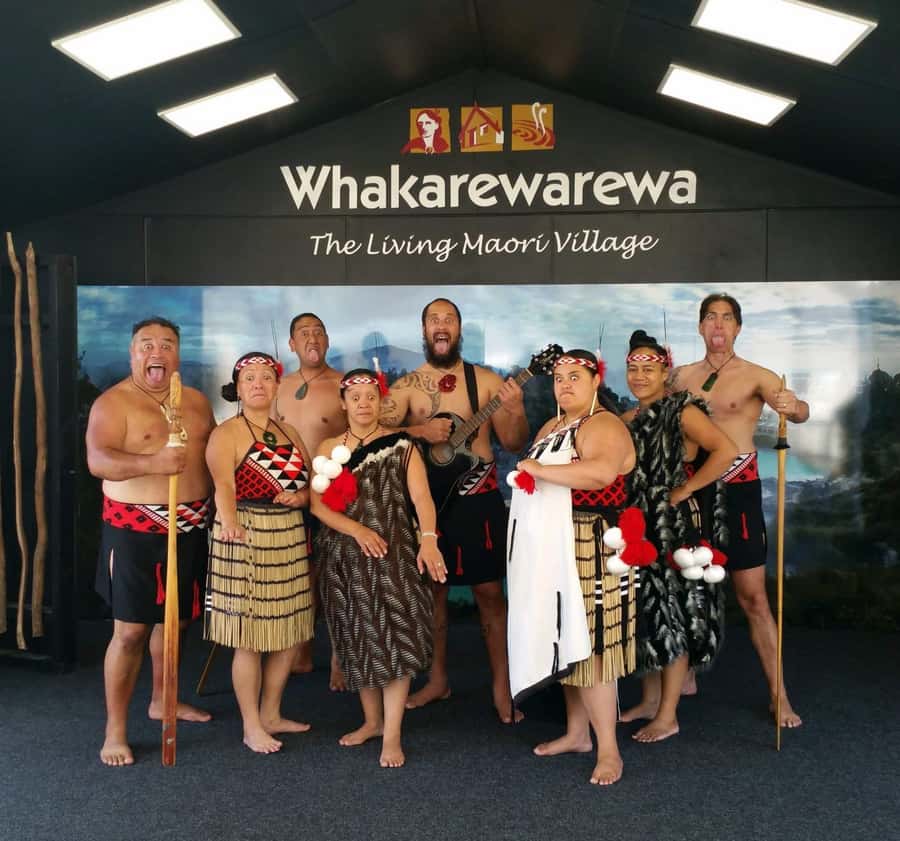
- A haka performance included: it’s a set cultural moment, not just background entertainment.
- Waitomo glowworm caves via boat tour: the experience is designed around the glow, not a quick photo stop.
- Picnic-style lunch: food is built into the pacing so you’re not constantly searching for meals.
- One-day logistics with van transfers: you’ll spend more time in transit than you might expect, but the guide keeps the day moving.
Why this 12-hour Auckland day trip feels worth it
If you’re short on time in New Zealand, this is one of those days that actually makes sense. You’re leaving Auckland for Rotorua, spending real time in a living Māori village, then finishing with the Waitomo glowworm caves, all with a guide and round-trip transport handled for you.
The value here isn’t just the attractions on a map. It’s the structure: a guided cultural block first (Whakarewarewa), then a guided natural block second (Waitomo), with a picnic-style lunch built in. When tours are haphazard, you feel the seams. This one tries to keep the flow logical, and that matters on a long day.
I also like that the Waitomo part is described as a small-group experience. In caves, that can change everything—less crowd noise, easier listening, and a smoother boat ride.
You can also read our reviews of more tours and experiences in Auckland
Getting picked up in Auckland and the ride toward Rotorua
You’ll start with hotel pickup from a wide selection of Auckland locations. The meeting point is outside your hotel, and you’ll be looking for a Volkswagen van with an Expedigo logo. Plan to arrive about 5–10 minutes early so you don’t lose time.
You then head to Rotorua in a van. There’s also a Rotorua District sightseeing stretch (45 minutes). The tour doesn’t promise a long list of stops here, but it does position you with a bit of context before you step into the Māori village and geothermal area.
Practical tip: use this drive time to reset. Bring water if you usually get thirsty on long rides, and keep your camera/phone reachable. You’ll likely want it for the geothermal scenery moments as you get closer to Rotorua.
Whakarewarewa: stepping into a living Māori village
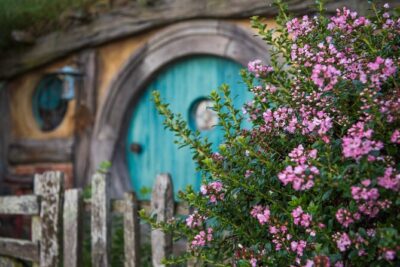
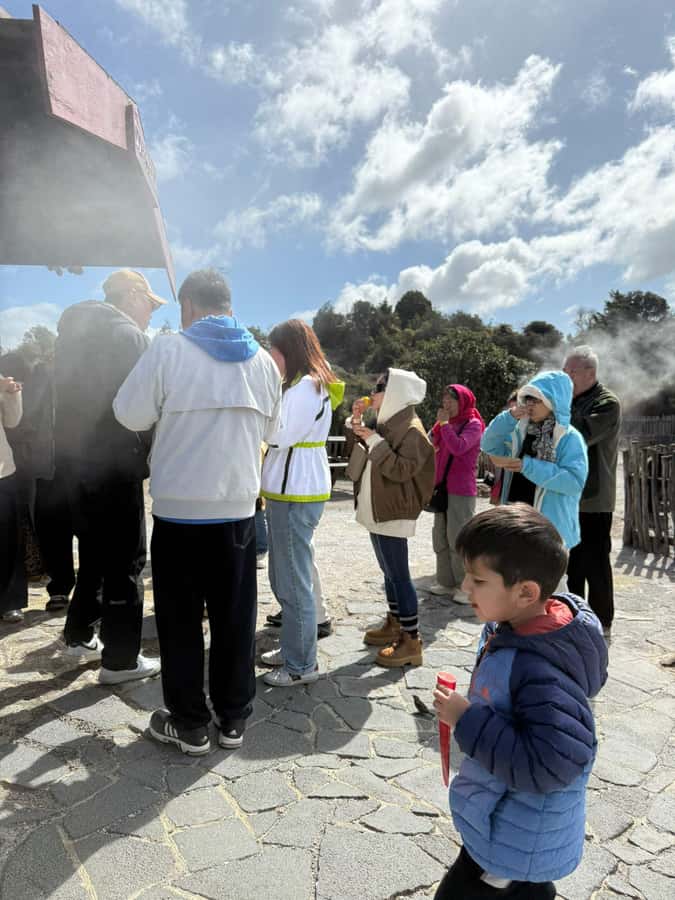
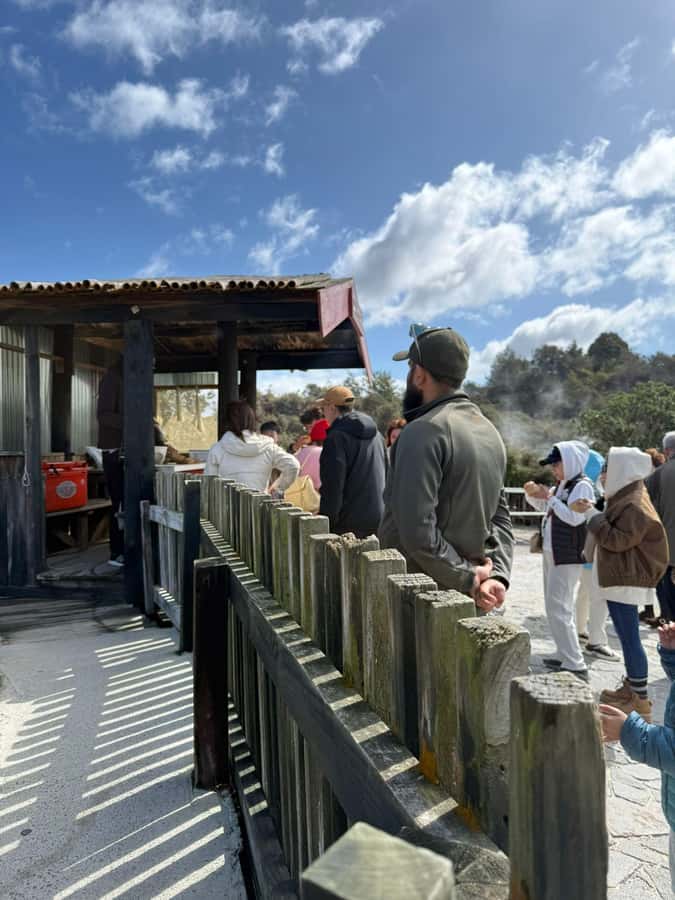
The heart of the day is Whakarewarewa Village, where you get a guided tour lasting about 2.25 hours. This is not presented as a staged theme park. You’re entering a place described as a living community, and you’ll be greeted by the warmth of locals and the smell and sight of geothermal steam rising from the ground.
What I like most is the way the guide-led format turns the visit into understanding. Instead of only seeing buildings and artifacts, you learn about Māori life and customs through explanations tied to place. The description emphasizes interaction and local insight, which is exactly how cultural experiences should work if you want more than surface-level facts.
Expect the tour to cover everyday traditions and lifestyle, plus how the community connects to the land around them. That connection is important in Rotorua. It’s not just an aesthetic backdrop. It’s part of how people make sense of their environment and daily routines.
One more thing: the village setting is tied to geothermal activity. Steam and heat are part of the experience, so dress accordingly and don’t assume you’ll feel like you’re in a cool indoor museum.
Geothermal sights: geysers, mud pools, and steaming vents
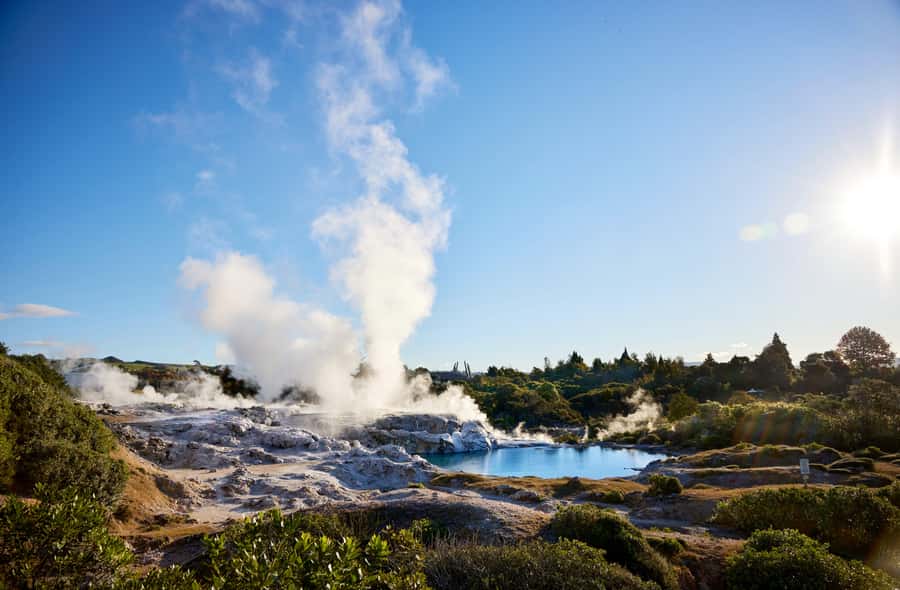
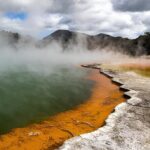
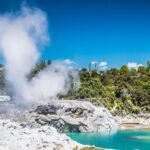
Right inside the Rotorua experience, you’ll see signs of geothermal energy up close. The tour description points to bubbling mud pools, spouting geysers, and steaming vents, each with its own story to tell.
It’s easy to treat geothermal areas like they’re just scenic. I think this tour does a better job if you approach it as a relationship between land and people. When your guide explains what you’re seeing and why it matters, the steam becomes part of the cultural story, not just background steam.
There’s also mention of panoramic views of geysers and boiling hot pools. Even if you don’t catch every angle, you’ll still get the key idea: Rotorua’s geothermal features shape the physical environment, and that in turn shapes local life.
Practical advice: expect uneven ground and warm zones. Comfortable shoes are a must, and if you’re sensitive to heat or smell, plan for short breaks when you can.
Māori songs and dances, including the haka
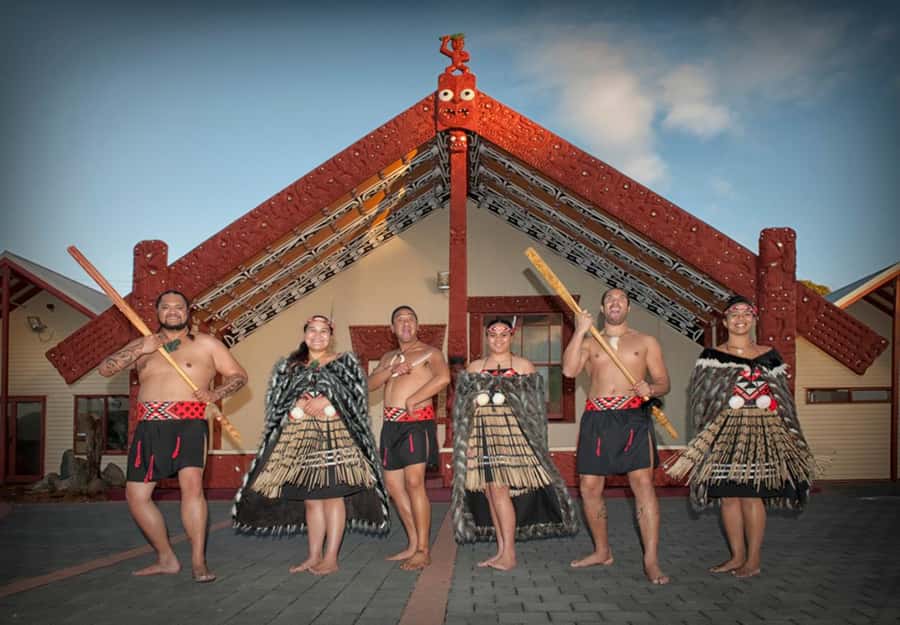
After the guided village exploration, the day continues with cultural performance at the village. The included cultural performance includes the world-famous haka dance, plus traditional Māori songs and dances.
This part can go two ways on tours: either it feels like a performance-without-context, or it feels like a meaningful expression tied to identity. Here, you’ve already been learning about Māori life and customs during the village tour, so the performance lands with more weight.
I like that you’re not left to interpret it alone. The tour is built around the idea that performance is part of heritage, not just a show. If you’re curious about why the haka is so widely known, this is one of those times when a guided day helps you see it as more than a meme or a snapshot.
Also, timing matters. After time in the village, you’ll be in the right mindset for the performance, and you’ll know what questions to listen for during the explanations.



Waitomo Glowworm Caves: the boat ride where the glow takes over
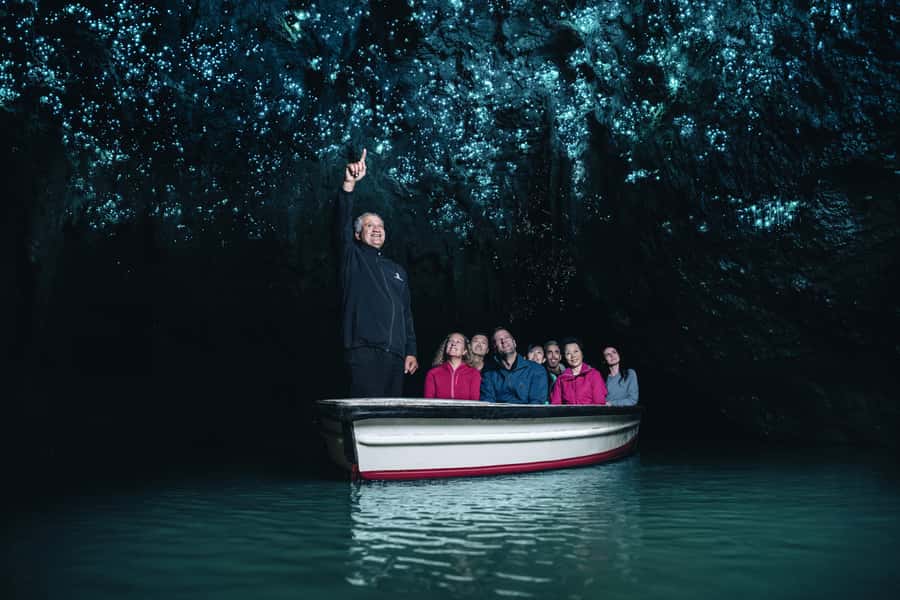
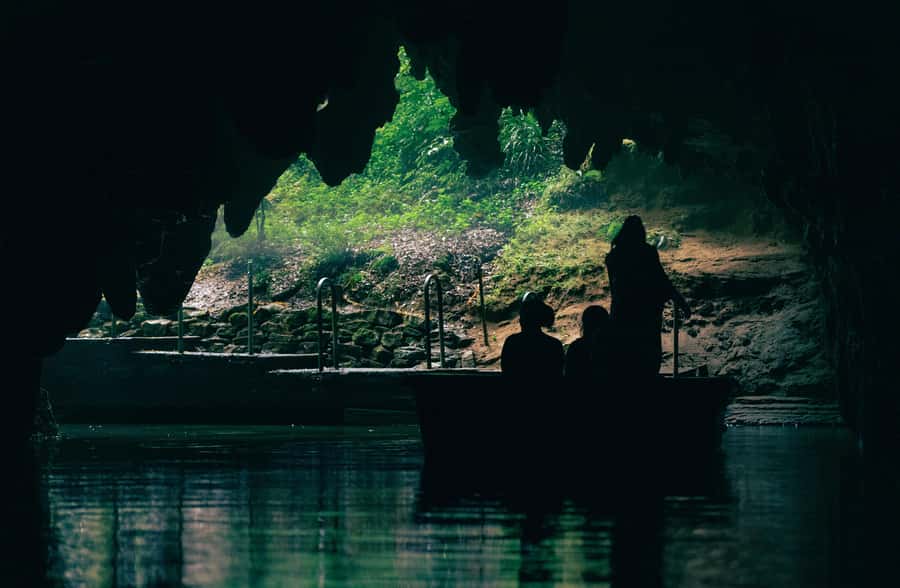
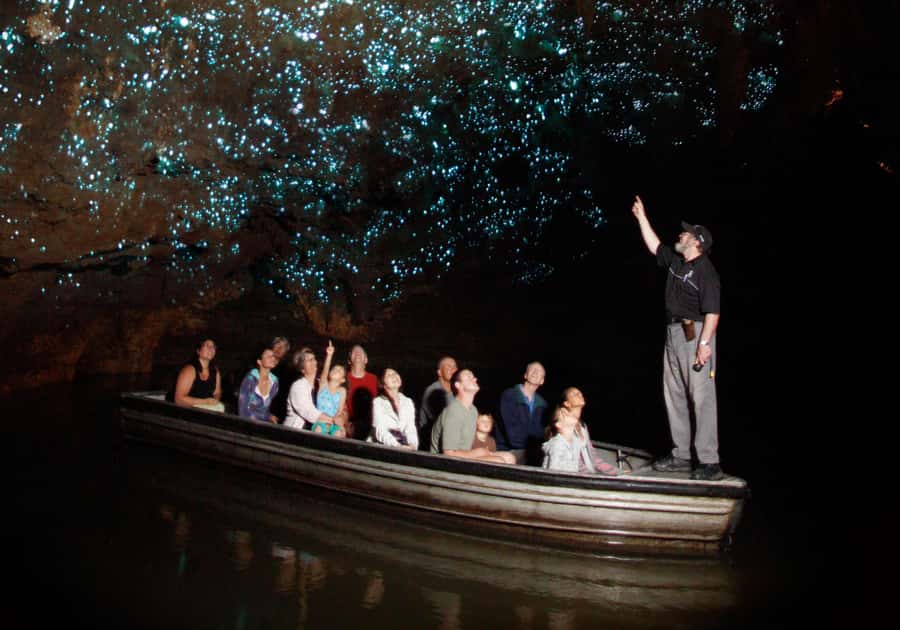
Then you head to Waitomo Glowworm Caves. The guided portion is about 1 hour, and it includes the cave experience by boat.
This is where the tour earns its nickname in your head. The glowworms are described as creating a one-of-a-kind glow from thousands of bioluminescent creatures. The boat ride is guided, and the description emphasizes gliding silently through the caves surrounded by that underground light.
Even if you’ve seen photos before, I think Waitomo works best when you let the experience be quiet and observational. There’s not a lot of room for loud group chaos in a cave boat setting. That’s another reason the small-group feel is a plus—it helps keep the moment from turning into a loud rush to take pictures.
What you should remember during the ride: the glow is the point. So rather than treating it like a stop for quick photos, try to watch first, then snap a few images. The longer you look, the more the cave light pattern makes sense.
Lunch and pacing: how the day stays manageable
You’ll have a picnic-style lunch included. The key value here is that it’s slotted into a day that otherwise has long transfers and set activities. When lunch isn’t part of the plan, you burn time hunting, waiting, and paying more. A picnic-style meal won’t feel like a fancy sit-down restaurant, but it fits the day’s pacing.
As for the pace overall, it’s a full day—roughly 12 hours from Auckland start to end. That means you’ll be moving on a schedule, not wandering freely.
To stay comfortable:
- Bring comfortable shoes (you’ll do more than you think in geothermal and village areas).
- Wear weather-appropriate clothing. Rotorua and caves can feel different than Auckland.
- Have sunscreen and basic sun protection ready. You’ll likely be outdoors for parts of the Rotorua experience.
- Keep your day bag light, since you’ll be in and out of the van.
One good sign for this itinerary is that it doesn’t overload you with too many separate ticketed stops. You have two main guided blocks (Whakarewarewa and Waitomo), which keeps the day easier to follow.
Price check: is $248 good value?
At $248 per person, this is not a budget tour. But it also isn’t just a bus ride with a couple of quick entries.
Here’s what’s bundled in the price based on the tour details:
- Entry tickets to Whakarewarewa Living Māori Village
- Entry tickets to Waitomo Caves
- Guided tours for the village and the caves experience
- Cultural performance at the village, including the haka
- Picnic-style lunch
- Fully guided experience with round-trip transportation by minivan
- Hotel pickup and drop-off for select locations
- Skip the ticket line
When you total that up yourself—two sites, guided time, transportation, and an included meal—$248 can start to look more reasonable. Especially if your alternative is piecing together Rotorua + Waitomo independently. You’d still need drivers, tickets, and a lot of coordination across a long day.
The “hidden” value is stress reduction. You get a plan, a guide, and transport timed to the sites. If you’re comfortable DIY-ing, you might pay less on paper by self-driving. But if you want a guided, guided, guided day that keeps moving, this pricing is designed for that.
Who this tour fits best (and who should think twice)
This tour is a strong match if you want:
- Māori culture explained in context at a real village, not just as a quick cultural stop
- A guided introduction to Rotorua’s geothermal features
- One day that combines culture and nature without you planning between them
It’s also a good fit for first-time visitors to New Zealand’s North Island who want high-impact highlights.
Think twice if:
- You have mobility issues or use a wheelchair. The tour data says it’s not suitable for people with mobility impairments or wheelchair users.
- You’re traveling with unaccompanied minors. Unaccompanied minors are not allowed.
If you’re an active traveler with average mobility, you’ll likely find the day doable. Just plan for a full schedule and bring shoes you don’t mind getting a bit warm or dusty.
A quick reality check on reviews and the main payoff
The tour scores well overall (4.6 out of 18 reviews), and the one review included in the provided info calls out glowworms as the standout. That aligns with what the itinerary is clearly built around: Waitomo is the natural wow moment after the cultural wow moment at Whakarewarewa.
So if your priority is glowworms, you’re aiming at the tour’s core strength. If your priority is cultural learning, you’re also in the right place because the village time is guided and performance is included as part of the visit, not tacked on at random.
Should you book this tour?
Book it if you want a guided, structured day that hits two major North Island highlights with minimal effort on your part. The best reason to choose it is the pairing: learn Māori life and customs at Whakarewarewa, then switch gears to the glowworm caves experience where the glow is the whole point.
Don’t book it if you need a low-walking day or rely on wheelchair access. Also, be honest about time. This is 12 hours with van transfers. If you hate long scheduled days, you might prefer a shorter, slower Rotorua-focused plan.
If you’re okay with a packed itinerary and you value guided context, I think you’ll come away with exactly what you came for: culture you can understand and glow you’ll remember.
FAQ
How long is the Auckland to Rotorua and Waitomo day tour?
The duration is about 12 hours.
What’s included in the ticket price?
The tour includes entry tickets to Waitomo Caves and the Whakarewarewa Living Māori Village, guided tours of both, a cultural performance at the village (including the haka), and a picnic-style lunch, plus round-trip transportation by minivan.
Do I get hotel pickup and drop-off?
Hotel pickup and drop-off are included for select locations. You meet your guide outside your hotel and look for a Volkswagen van with an Expedigo logo.
Is the Waitomo Glowworm Caves tour guided?
Yes. You get a guided tour of the Waitomo Glowworm Caves, and it includes the cave experience by boat.
What language is the tour guide?
The live tour guide is in English.
Is the tour suitable for people with mobility impairments or wheelchair users?
No. The tour is listed as not suitable for people with mobility impairments or wheelchair users.