
REVIEW · AUCKLAND WINE COUNTRY TOURS
Auckland: Group Surfing Lesson with Muriwai Surf School
Book on GetYourGuide →Operated by Muriwai Surf School · Bookable on GetYourGuide
Muriwai Beach teaches surfing fast. This 2-hour intro to surfing lesson is set up to make your first attempts feel safe, guided, and surprisingly doable. You’ll get real coaching on standing up, plus hands-on support in the waves, all close to Auckland.
I especially like the friendly, professional instruction and the constant encouragement while you’re learning. A second thing I like: you don’t have to hunt down gear because your surfboard and wetsuit come with the lesson.
One possible drawback is simple: transport isn’t included, so you’ll need to get yourself to Muriwai Beach (it’s about 40 minutes from Auckland City).
In This Review
- Key things you’ll notice right away
- Why Muriwai Beach is a smart place to start surfing near Auckland
- The first stage: gear basics, stance coaching, and getting safe in the sand
- What happens when you finally hit the water: wave checks, picking rides, and feedback on your pop-up
- Instructor attention and small-group size: why it matters more than you think
- Value check: does $41 for 2 hours make sense?
- Who this lesson is best for (and who should skip it)
- Practical tips so you don’t waste time on the day
- What to bring
- What to avoid
- When to arrive
- If you have medical conditions
- Timing, transportation, and how to fit this into an Auckland day
- Should you book Muriwai Surf School’s Intro to Surfing?
- FAQ
- Where is the surfing lesson held?
- How long is the group surf lesson?
- What is included in the price?
- Do I need to know how to swim?
- What should I bring?
- How old do you have to be?
- How big are the groups?
- Is transportation provided from Auckland?
- What’s the cancellation policy?
Key things you’ll notice right away
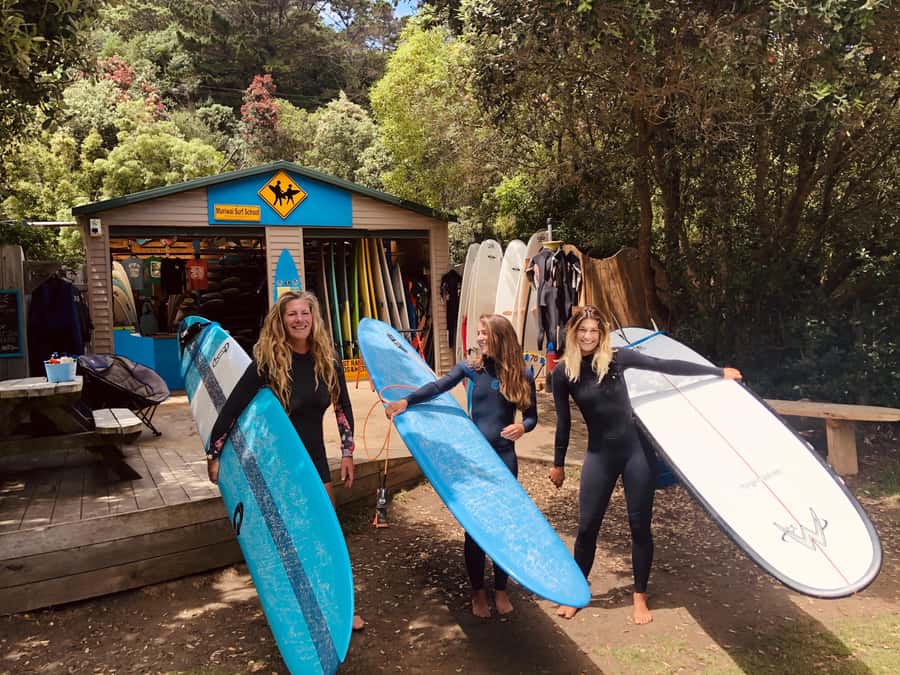
- Small group limits to 10 people, with lessons often feeling very personal in practice
- Gear is included: surfboard and wetsuit
- You get step-by-step basics before anyone sends you out to catch waves
- Safety and wave checks happen early, not as an afterthought
- In-water coaching and feedback as you try to stand and ride
- Encouragement stays constant, including tips that help you get that first longer run
Why Muriwai Beach is a smart place to start surfing near Auckland
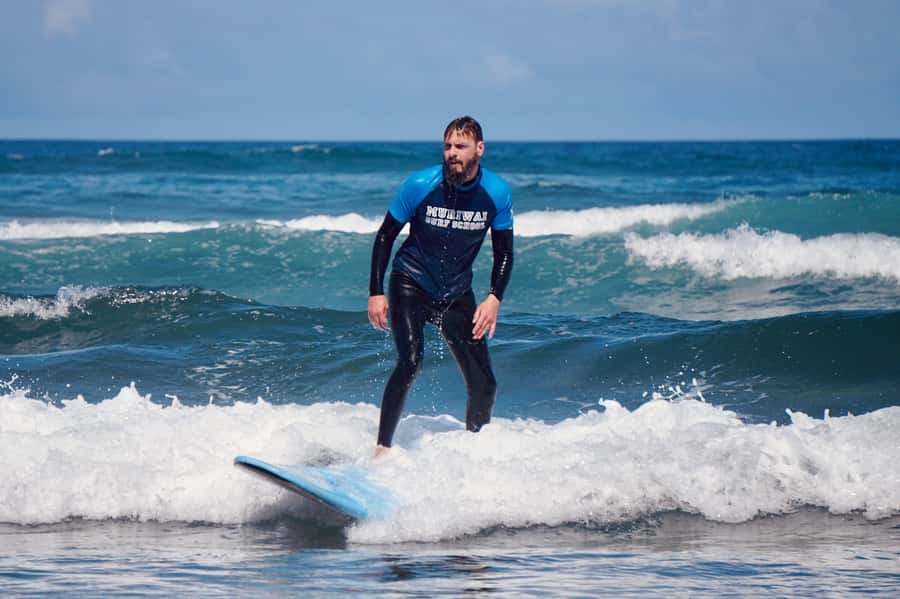
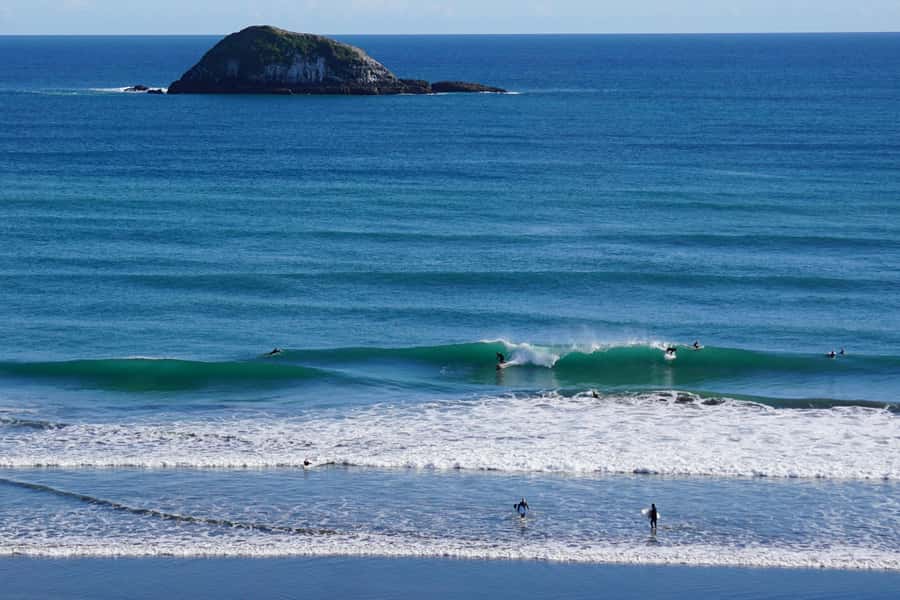
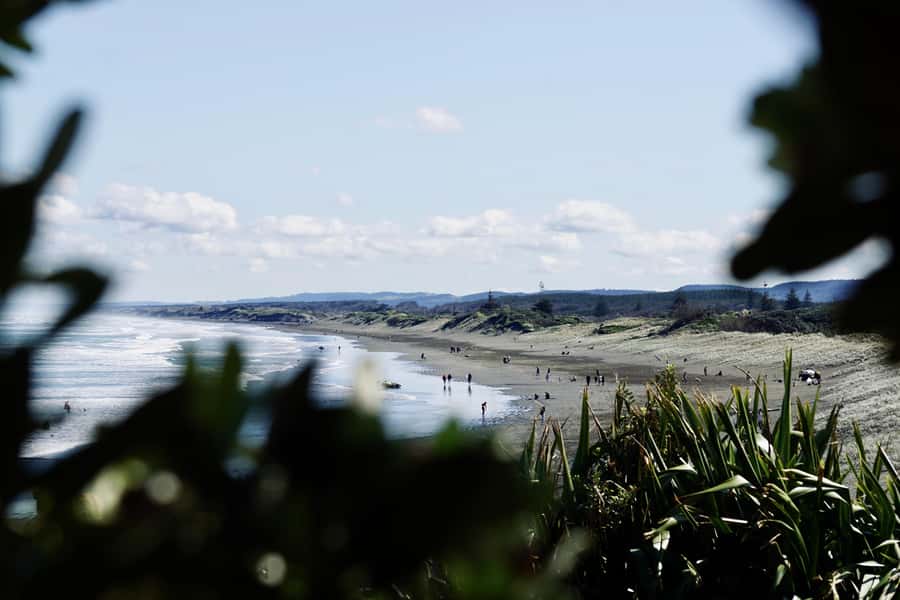
If you’re new to surfing, location matters more than people think. Muriwai Beach sits on Auckland’s west coast, and it’s close enough that this lesson still feels like a quick day activity instead of a whole expedition. Being roughly 40 minutes from Auckland City also means you’re not burning most of your time just getting there and back.
More importantly, the surf-school approach here is built around learning, not showing off. The lesson structure is focused on the part that trips most beginners: getting your timing and body position right, without panic. You’re not thrown into chaos. You start with equipment basics, then techniques for standing up, then wave-reading and safety, and only then do you spend time in the water with instructor support.
You’ll also feel the “real beach” vibe of Muriwai. It’s not a backlot simulation. That matters because surfing has a lot of variables—wind, swell, and wave timing—and learning in an actual working surf spot helps you understand what to listen for and what to ignore.
You can also read our reviews of more tours and experiences in Auckland



The first stage: gear basics, stance coaching, and getting safe in the sand

This is a group lesson, so you’ll start with the basics together. You’ll arrive about 15 minutes early so you can get set up and not feel rushed. That little buffer is worth it because wetsuits can be a bit of a wrestling match when you’re wearing one for the first time.
Expect the instructor to cover:
- How to use the surf equipment properly
- How to position yourself so the board sits correctly
- The core technique for standing up
The biggest beginner win comes from the way they break it down. Standing up on a surfboard is basically one short sequence repeated at the right time: your paddling sets up the wave, your pop-up happens at the right moment, and your balance follows through. If you try to “just wing it,” you’ll often slip or wipe out before the board gets under you. If someone gives you the correct body mechanics up front, your practice in the water becomes way more effective.
Then comes the safety talk and wave awareness. You’ll head down to check the waves and cover safety for getting into the water. That step is not glamorous, but it’s one of the most valuable parts of learning to surf. It teaches you what to watch for and helps you understand why certain actions are recommended in the first place.
From the reviews, instructors like Jacob/Jakob are especially strong at explaining things clearly and patiently. One review flat-out compares learning to riding a bicycle: someone can teach you the method, but you still have to figure it out through your own attempts. In practice, that’s exactly what a good intro lesson tries to do—give you enough structure that your “figure it out” phase doesn’t turn into guessing.
What happens when you finally hit the water: wave checks, picking rides, and feedback on your pop-up
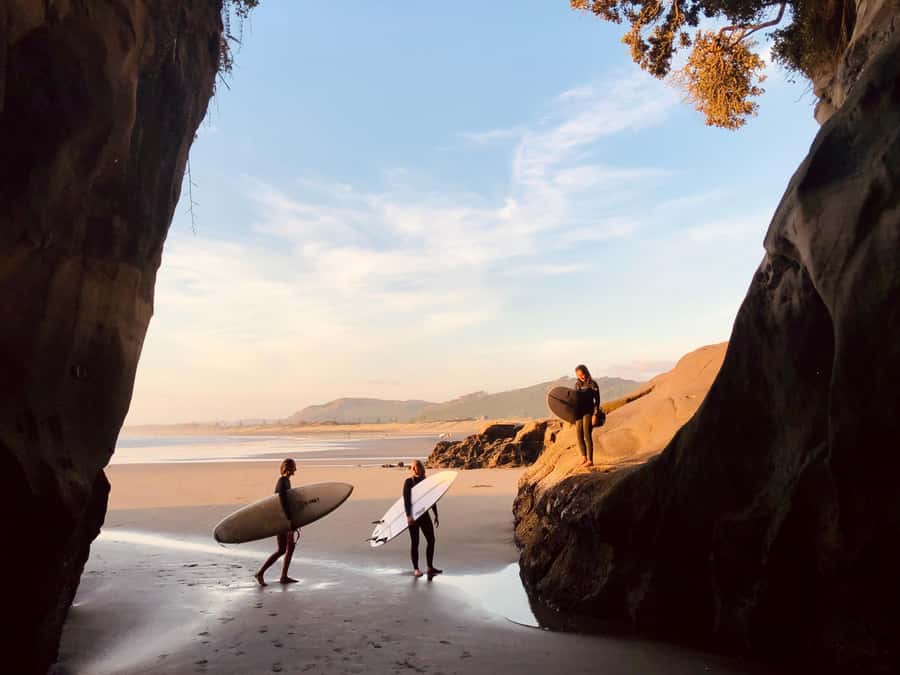
After the basics and safety briefing, the lesson moves into the fun part: actually catching waves. This is where the group format can either feel frustrating or feel motivating. In this case, the key is that you’re not left alone.
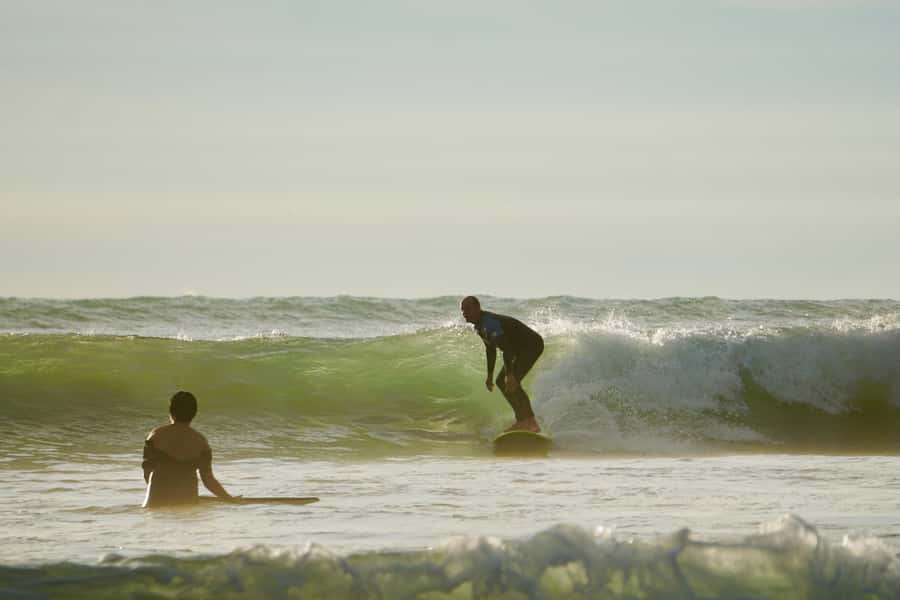
Once you’re in the water, your instructor supports you. That support typically includes help picking and catching waves, plus feedback and tips as you try to stand and ride. When something clicks—like getting the timing for a longer run—you’ll hear the encouragement. One review even mentions instructors hooting when someone gets all the way to the beach.
That might sound goofy, but it’s practical. Surfing is short bursts of effort followed by rest. Your brain needs momentum. Positive reinforcement helps you stay calm after a wipeout, go again, and improve the next attempt.
The other important thing is that you learn while doing. You’re not just practicing paddling on shore. You’re making decisions on the water—where to sit, when to paddle, and when to pop up. That’s the real skill set. With an instructor guiding you, you’ll usually understand what’s happening instead of just wondering why you failed.
One more benefit: because the lesson is 2 hours long, you get enough time to experience a range of attempts. Beginners often improve fastest over a handful of tries once they’re not mentally fighting the board anymore.
Instructor attention and small-group size: why it matters more than you think
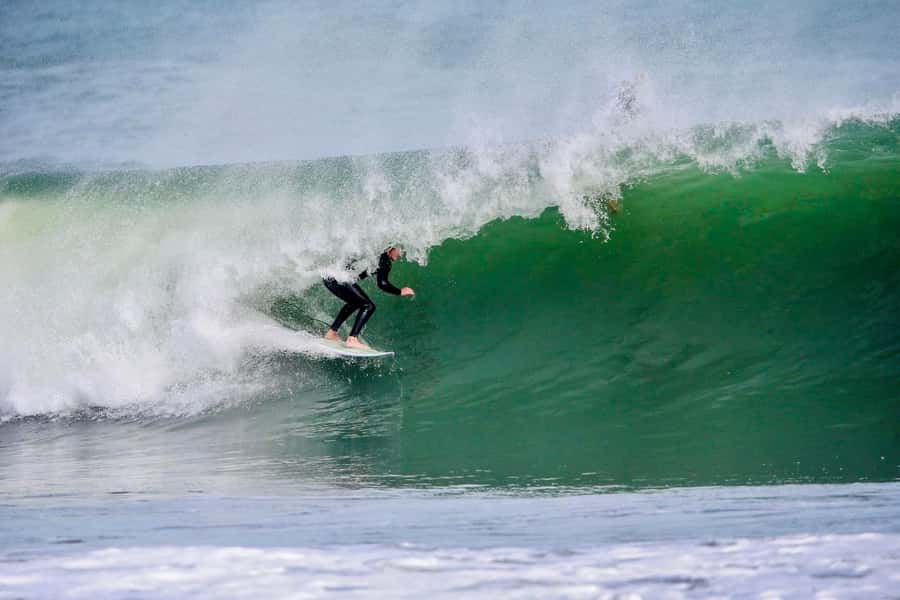
This lesson is limited to a maximum of 10 participants. Reviews also describe small groups of around 5 in at least some sessions, which is a great sign. When you’re learning something technical—like body position, board control, and timing—you don’t want to spend the whole lesson waiting for your turn.
Small groups help in two ways:
- You get more chances to try the basics in the water.
- Your instructor can correct you faster when you’re doing something slightly off.
Reviews specifically highlight instructors being patient and helpful with first-timers. One review calls out Jacob as amazing for someone who had never surfed before, noting that he explained things well and provided real assistance. Another review mentions Jakob being kind, very helpful, and hilfsbereit und geduldig—the kind of patience that makes a beginner feel safe enough to keep trying.
And yes, there’s a small practical perk: one review mentions there was cool merch. That’s not the reason to book, but it does suggest the surf-school experience extends beyond instruction into a more complete local vibe.
Value check: does $41 for 2 hours make sense?

At $41 per person for a 2-hour intro group lesson, this can be a strong value—especially because equipment is included. Surf lessons add up quickly once you factor in board rental and wetsuit rental elsewhere. Here, your surfboard and wetsuit are part of the package, so you’re not scrambling on the day or paying extra to get set up.
The coaching is also the real value. Two hours of guided instruction in the right sequence (basics → safety → water attempts) is worth more than a longer session where you mostly watch and figure out nothing. A good instructor can shorten the time it takes you to understand the fundamentals, and that’s where the savings really happen.
That said, the price doesn’t include transportation. If you’re coming from central Auckland, your cost may creep up based on how you plan to reach Muriwai Beach. If you’re already planning to drive or you can coordinate transport, the lesson remains excellent value. If you need a taxi or ride-share, it might feel less of a bargain—but you’ll still be paying for a structured, coached start to surfing, not just beach time.






Who this lesson is best for (and who should skip it)
This is designed for beginners and people who want to improve the basics. The instructor-led flow fits well if you’re:
- Completely new to surfing
- Nervous but willing to learn through instruction
- A non-expert who wants feedback while trying, not just advice from shore
There are clear limits. The lesson is not suitable for children under 9 years and it’s not suitable for non-swimmers. If you can’t swim, you should not book this based on the stated requirements. Also, alcohol and drugs aren’t allowed, and smoking isn’t allowed, which is a good sign for safety and professionalism.
If you love hands-on activities—something where you learn by doing—this is a good match. If you prefer long, scenic experiences with minimal effort, you might find the physical part of surfing tiring. But for most active travelers, 2 hours is a manageable intro that doesn’t swallow your whole day.
Practical tips so you don’t waste time on the day
Here’s how to show up so the lesson feels smooth from the start.
What to bring
Bring:
- Swimwear
- Towel
- Sunscreen
- Water
That might sound basic, but it matters. A wetsuit can make you overheat or feel weird at first. Sunscreen matters because even when it’s not scorching, beach sun can hit hard on the coast. Water helps because you’re outside and exerting yourself.
What to avoid
- Smoking
- Alcohol and drugs
Even if you’re on vacation mode, keep it clean. The surf-school rules are there for safety and focus.
When to arrive
Arrive 15 minutes before the lesson begins. You want time to get comfortable, get your gear sorted, and meet the instructor without rushing.
If you have medical conditions
If you have any medical conditions, inform the instructor beforehand. This isn’t just paperwork. It helps them support you appropriately during physical activity in and around the water.
Timing, transportation, and how to fit this into an Auckland day
The lesson runs for 2 hours, and starting times depend on availability. Because you’ll likely be coordinating your day around a surf schedule, I suggest planning Auckland sightseeing around the lesson rather than treating it as a last-minute add-on.
Transportation is the part you must manage yourself. Since transportation to and from the activity location isn’t included, you’ll want to plan either:
- A drive you control, or
- A ride arrangement you book in advance
Also, remember this is on the west coast. That means you can get weather and wind shifts. The lesson is still structured and coached, so you’re not relying on luck—but building a little flexibility into your day is smart.
Should you book Muriwai Surf School’s Intro to Surfing?
I’d book it if you want a real introduction to surfing with professional instruction, included gear, and close feedback—without spending your whole day on logistics. The small-group format and the way instructors support you in the water are exactly what beginners need to build confidence quickly.
Skip it if:
- You can’t swim
- You’re looking for a low-effort experience
- You don’t want to handle transportation to Muriwai Beach on your own
Overall, for $41 and two hours, this is one of the more practical ways to try surfing near Auckland. It’s structured, safety-minded, and designed to get you standing and riding as soon as you’re ready.
FAQ
Where is the surfing lesson held?
It takes place at Muriwai Beach on Auckland’s west coast.
How long is the group surf lesson?
The lesson duration is 2 hours.
What is included in the price?
Your lesson includes a 2-hour surf session, plus a surfboard and wetsuit, and a fully qualified surf instructor.
Do I need to know how to swim?
Yes. The activity is not suitable for non-swimmers.
What should I bring?
Bring swimwear, a towel, sunscreen, and water.
How old do you have to be?
It is not suitable for children under 9 years.
How big are the groups?
The group is limited to 10 participants.
Is transportation provided from Auckland?
No. Transportation to and from the activity location is not included.
What’s the cancellation policy?
You can cancel up to 24 hours in advance for a full refund.